We are located on North La Cholla Boulevard south of West Orange Grove Road, across from Northwest Medical Center and next door to Liftestyle Spectrum.
At Skin Spectrum Dermatology Tucson, now a part of U.S. Dermatology Partners, our Tucson dermatologists specialize in the health and beauty of the skin. In practice for over two decades, our dermatologists are highly regarded in Tucson, Arizona, and across the United States for comprehensive, non-surgical skin rejuvenation that incorporates anti-aging and wellness strategies. We can help you have fresh, radiant skin that can renew your appearance and your self-confidence.
While you can’t stop the aging process, our skin care programs and services can reverse visible skin damage and slow the process of intrinsic aging. Within the privacy of our state-of-the-art medical office, Skin Spectrum Dermatology Tucson’s committed team of professionals will address your skincare concerns and areas that you would like to improve. We have carefully handpicked each technology for its ability to produce healthy and noticeable results.
All procedures, products, and services offered at Skin Spectrum Dermatology Tucson are performed by, or under the supervision of, our board-certified Tucson dermatologists. We treat skin conditions such as acne, skin tags, sun damage, skin cancer and more.
The acclaimed dermatologists at Skin Spectrum Dermatology Tucson are innovators and educators in non-surgical skin rejuvenation, vein treatments and cosmetic advancements. Skin Spectrum is a nationally recognized and trusted dermatology facility that provides our patients with the very best technology combined with outstanding medical practices. Dr. Jody Comstock and Dr. Tina Pai, both certified by the American Board of Dermatology, mentor other physicians throughout the country in performing treatments based on the newest developments available. They are consultants and instructors for several leading injectable treatments including Sculptra, Juvederm, Restylane, Botox and Dysport, as well as numerous medical lasers, peels and products.
We offer our clients personalized, comprehensive treatments. We use a holistic approach for each patient’s care, providing unique combinations of treatments to suit that individual’s specific concerns and needs.
Contact Us
For general inquiries or if you would like to request a call back, please
click below to
fill
out our contact form.
5 Stars Tasheena is wonderful. I highly recommend her for any of your skin care needs. – Kristin B Miller Source : Google – Sep 14, 2026
Skin Spectrum Dermatology Tucson
5 Stars Before booking my appointment at Skin Spectrum, I did a ton of research on acne scar treatments and local providers. I decided this was the best clinic for me, and believe me when I say I thank the stars that I got Dr. Pai as my dermatologist! She is knowledgeable, kind, patient, realistic, and fantastic at explaining everything she does. Her assistant, Tracy, is also amazing, and I’m so happy to be their patient. They truly listen to me, and together we decided on a treatment plan that would best benefit my skin. So far, I have had two subcisions with Dr. Pai and one AVAVA laser treatment at the clinic. While it’s still too soon to see the final results, I am already so happy with how my face looks and look forward to every appointment – Claudia Nakamura Source : Google – Sep 14, 2026
Skin Spectrum Dermatology Tucson
5 Stars Very kind, knowledgeable and put me at ease as I was I am preparing for a very special day. I highly recommend her for all services. – Amanda Nielson Source : Google – Sep 14, 2026
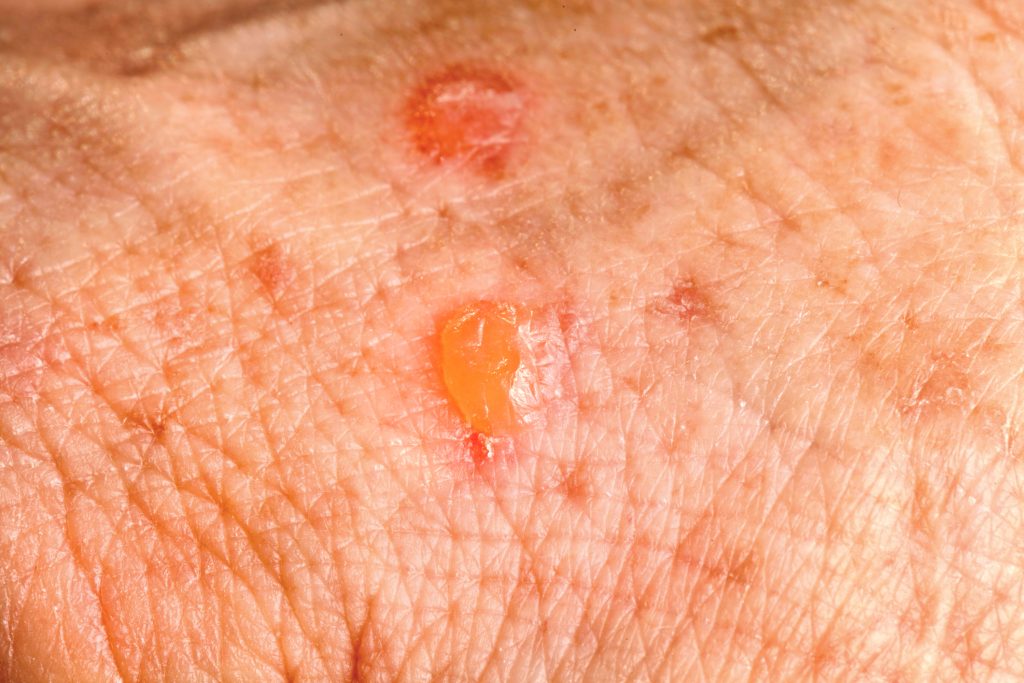
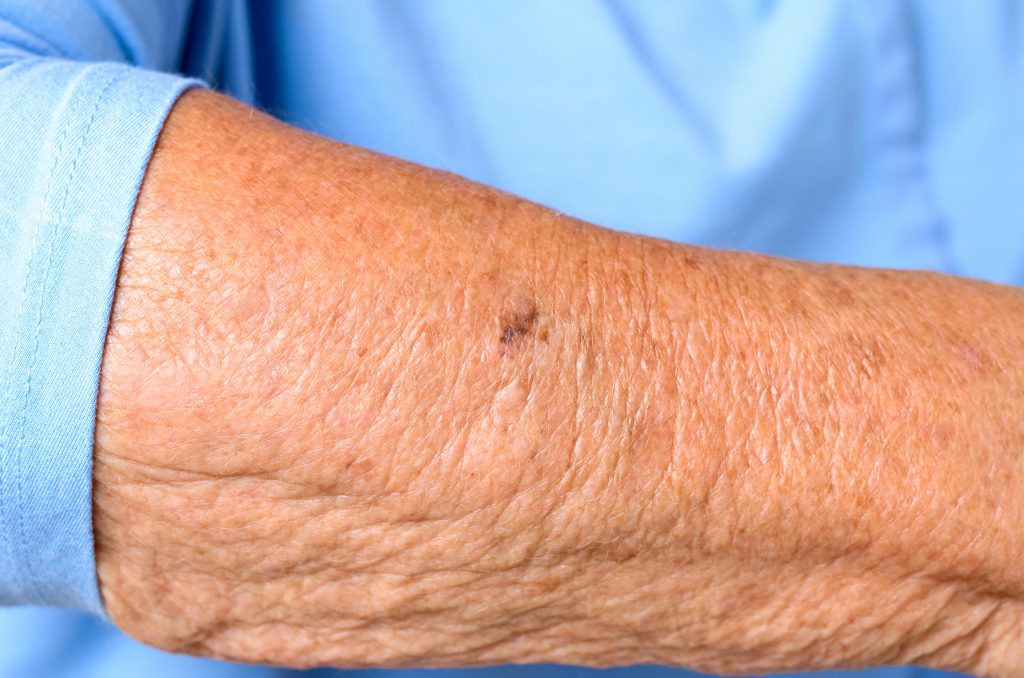
Actinic Keratosis, also known as solar keratosis, is a scaly or crusty lesion on the skin that develops slowly and indicates the presence of sun damage. It is most commonly found on parts of the body frequently exposed to the sun including the bald scalp, face, ears, lips, backs of the hands or forearms, neck, and shoulders.
Actinic keratosis improves just two days after a freezing removal treatment.
Actinic keratoses are considered precancerous and can develop into a type of skin cancer called squamous cell carcinoma. In fact, some 40 to 60 percent of squamous cell skin cancers begin as untreated actinic keratoses.
Because of this, your doctor should be diligent in diagnosing, treating and monitoring actinic keratosis.
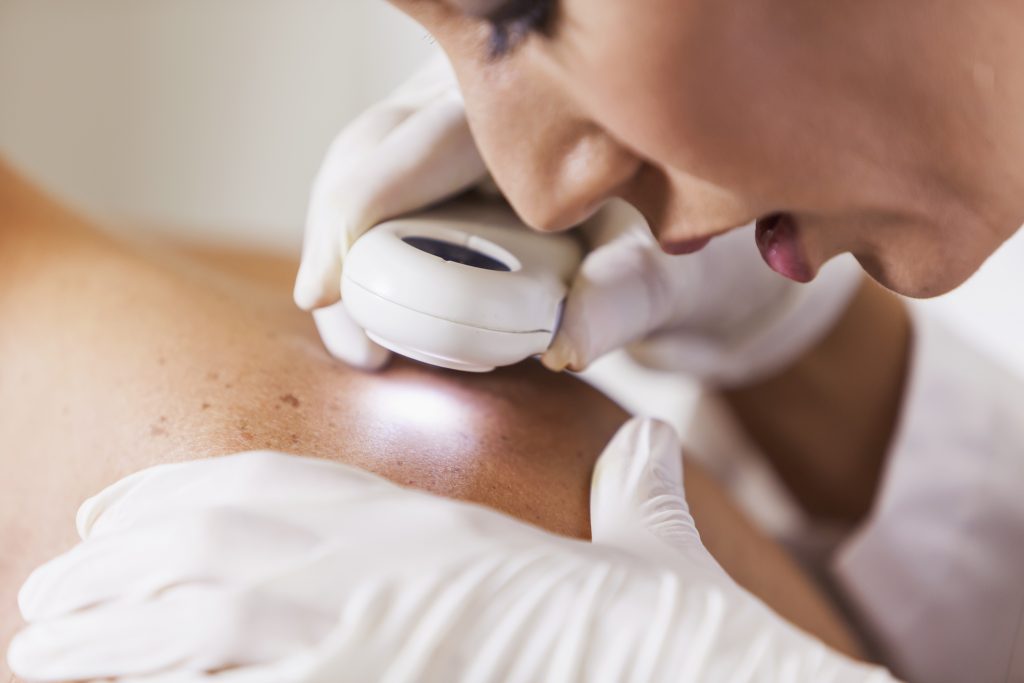
Annual Skin Examinations are yearly scheduled skin exams with a dermatologist. Did you know that skin cancer is the most common form of cancer in the U.S.? In fact, it is estimated that one in five Americans will develop skin cancer in their lifetime. Sun damage to the skin is cumulative over a person’s lifetime, so the average risk of skin cancer also increases as our life expectancy gets longer.
Just as you schedule your annual physical or trip to the dentist, it is important to conduct a self-examination of your skin each month and schedule a professional annual skin examination once a year. Skin cancer is a treatable condition, but early detection is key.
Basal Cell Carcinoma, also known as basalioma or basal cell cancer, is the most common type of skin cancer and carries the least amount of risk, though it still requires attention. If caught and treated early, basal cell carcinomas are not likely to be life-threatening, but they do have the potential to cause disfigurement of the skin tissue.
Almost one million new cases of basal cell carcinoma are diagnosed each year in the U.S., and up to 30% of Caucasians may develop basal cell carcinomas in their lifetime.
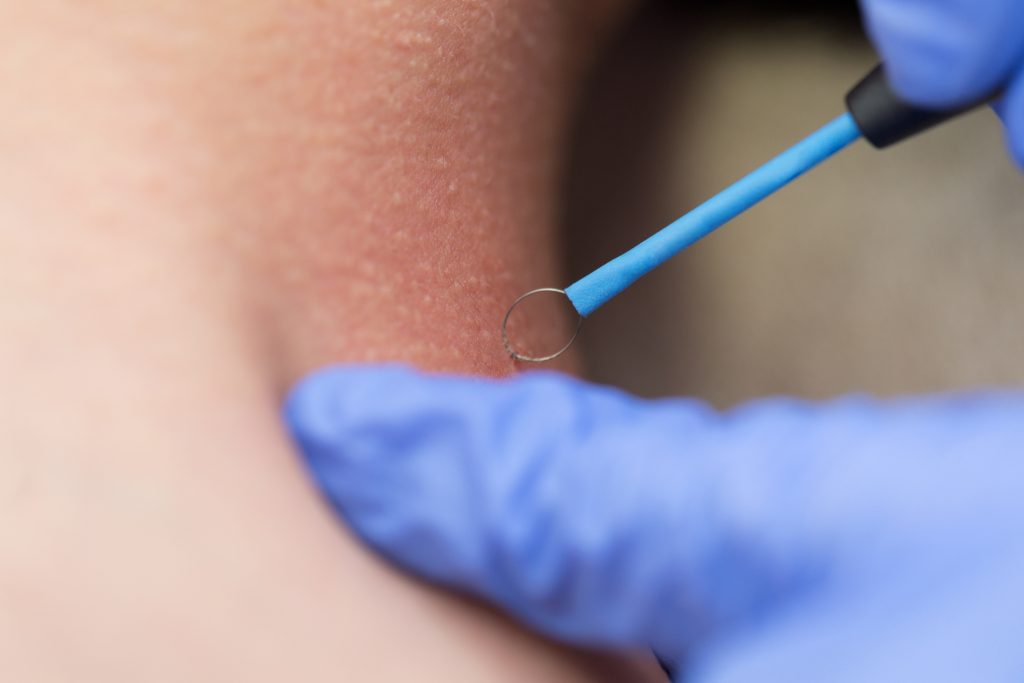
Basal cell carcinoma can be treated by removing the affected area.
Skin cancer is considered low risk when the affected cells remain clustered in a single group. Both basal cell carcinoma and squamous cell carcinoma are rarely life-threatening. Though it is unlikely to spread to other parts of your body, if left untreated, basal cell carcinoma can move into nearby bone or other tissue.
Basal cell carcinoma typically begins as a small, shiny bump on the face, although it can occur on any part of the body.
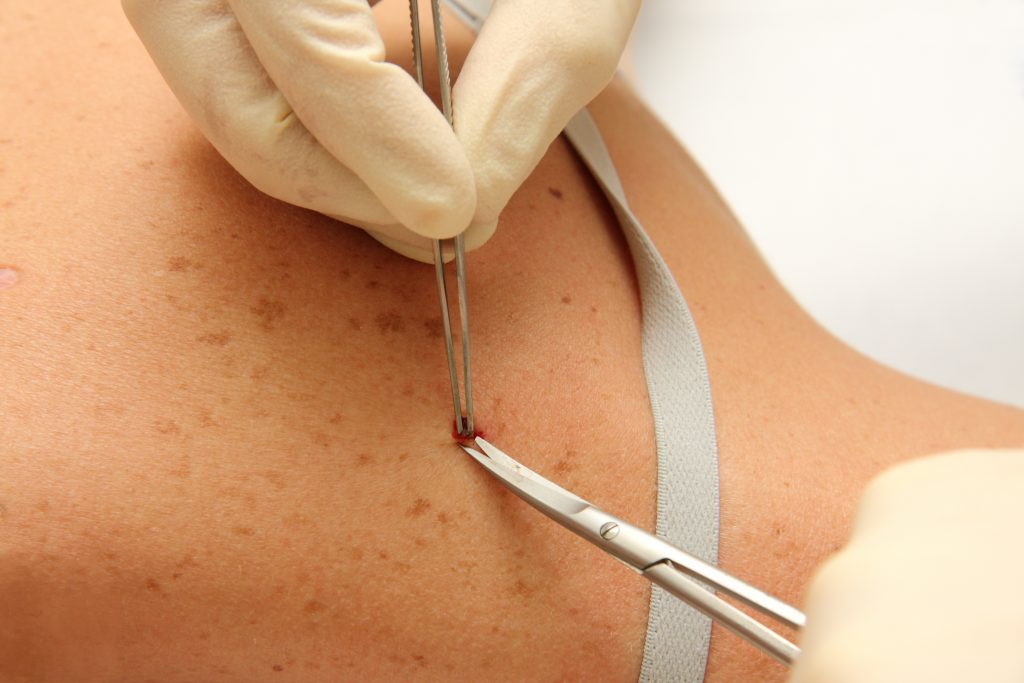
Cryotherapy, or “cryosurgery,” is a simple, non-invasive procedure in which liquid nitrogen is used to freeze and destroy growths on the surface of the skin. This is an effective treatment for precancerous skin lesions (actinic keratoses), as well as other skin conditions such as warts, skin tags and moles.
Applying liquid nitrogen to skin lesions allows dermatologists to target the damaged skin cells and destroy them at the cellular level. After freezing, the affected area may blister and scab over, and should heal within three to six weeks.
Our dermatology team uses cryosurgery to treat a wide range of conditions. It offers a number of advantages: Cryotherapy is a simple, affordable outpatient procedure, the discomfort level is minimal, and there is a low risk of infection.
In cryotherapy treatment, liquid nitrogen is applied to the skin to freeze and destroy the affected tissue.
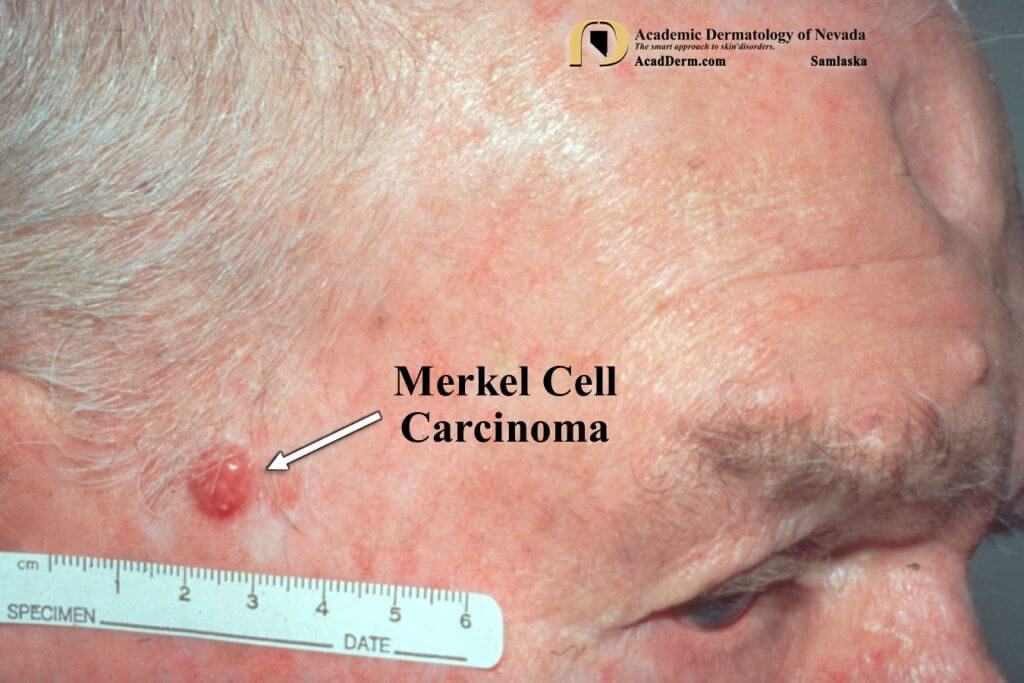
Skin cancer is a common concern in the U.S. Estimates reported by the American Academy of Dermatology suggest one in five people in the U.S. will develop some form of skin cancer. Merkel cell carcinoma is among the rarest forms of skin cancer, wherein estimates by the Skin Cancer Foundation suggest that only one in 130,000 people in the U.S. will be diagnosed with Merkel cell carcinoma. Like melanoma, Merkel cell carcinoma is an aggressive form of skin cancer with a high mortality rate. As with most potentially aggressive malignancies, early detection is the best way to decrease the risk of death associated with Merkel cell carcinoma. You can learn more about diagnosis and treatment options for Merkel cell carcinoma on this page.
Merkel cell carcinoma is a rare form of skin cancer that arises from Merkel cells, cells that reside deeper in the skin and function to send ‘touch’ signals from outside the skin to the inside of the body. The diagnosis of Merkel cell carcinoma is ultimately made by an assessment under the microscope after a skin biopsy has been performed. Skin biopsies are interpreted by dermatopathologists, doctors who specialize in evaluating skin under the microscope. Dermatopathologists are well equipped to make this diagnosis accurately when skin tissue is submitted in a biopsy specimen. Unfortunately, when Merkel cells become cancerous, they also become aggressive. Merkel cell carcinoma can metastasize (spread) quickly, making it one of the most aggressive types of cancer. While treatment for Merkel cell carcinoma may be successful, even with treatment Merkel cell carcinoma may evade what appears to be disease remission, and recur.
Skin cancer is the most common form of cancer in the U.S. with more than 3.5 million cases diagnosed each year.
Skin cancer is the result of uncontrolled growth of abnormal skin cells that takes place when skin cells suffer DNA damage and then mutate, causing them to multiply rapidly and form malignant (cancerous) tumors. Most skin cancers develop on the visible outer layer of the skin (the epidermis), particularly on sun-exposed areas such as the face, head, hands, arms and legs. They are usually easy to detect with a skin examination, which increases the chances of early diagnosis.
There are different types of skin cancer, each named for the type of skin cell from which they originate. The most common type of skin cancer is basal cell carcinoma. Almost one million new cases of basal cell carcinoma are diagnosed each year in the U.S. Most skin cancers fall into one of three categories:
There are often warning signs that cancer is developing. The most common are pre-cancerous lesions called actinic keratoses that often develop on sun-exposed areas. These tumors replace normal surrounding tissue and generally do not spread to other areas.
Skin cancer is considered low risk when the affected cells remain clustered in a single group. Both basal cell carcinoma and squamous cell carcinoma are rarely life-threatening.
Skin cancer is considered a high risk when cells have invaded surrounding tissues. The third most common skin cancer, malignant melanoma, can be life-threatening if not diagnosed and treated early.
If skin cancer is detected before it has spread to surrounding tissues, the chances of a complete recovery and cure are excellent. High-risk forms of cancer like melanoma require more aggressive treatments.
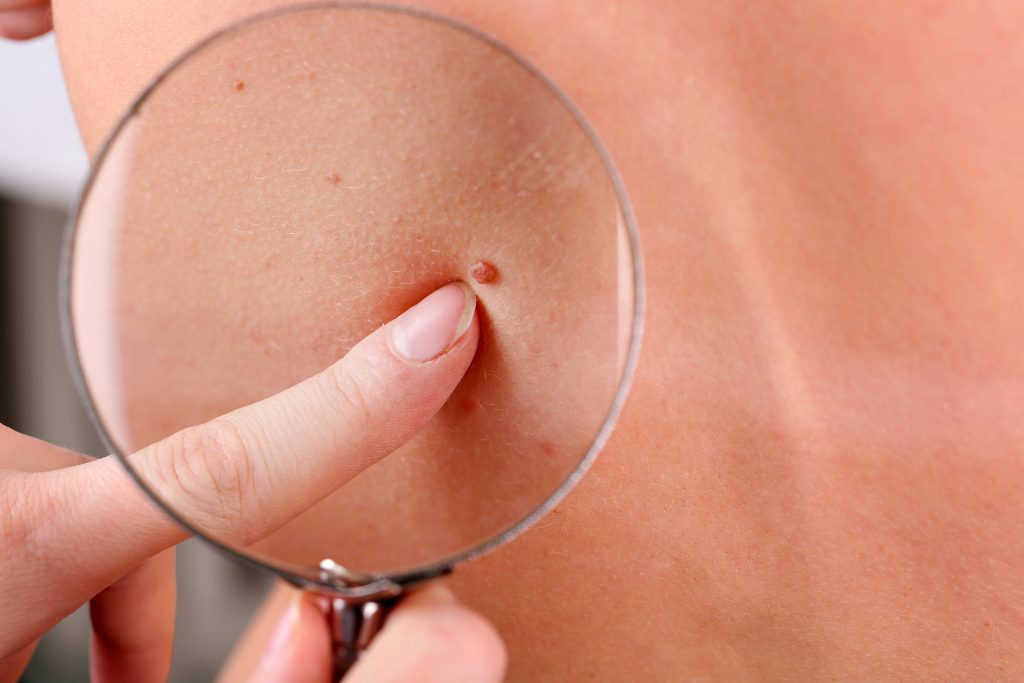
Suspicious moles should be watched closely, as they might indicate a cancerous growth.
Squamous Cell Carcinoma is a common form of skin cancer that develops in the squamous cells that make up the outer layer of the skin. Although it is usually not life-threatening, it can be aggressive in some cases.
If left untreated, squamous cell carcinoma can grow large or spread to other parts of your body, causing serious complications.
Your dermatologist will be able to examine your skin for signs of squamous cell carcinoma.
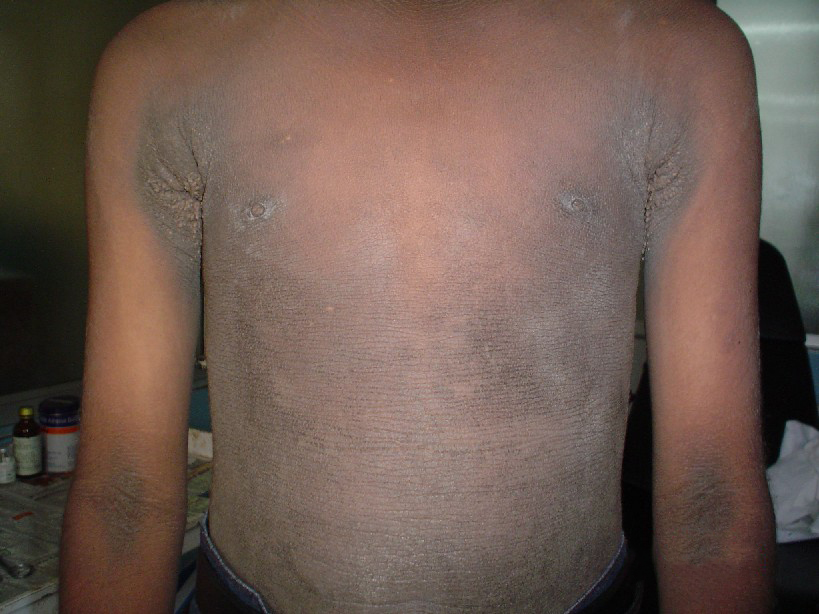
Acanthosis Nigricans is a condition that causes the skin to become discolored in the creases and folds of your body. This dark colored skin sometimes becomes thickened and often shows up in the armpits, groin and the folds of the neck.
Acanthosis Nicrigans causes generalized hyperpigmentation and velvety thickening of the skin. (source)
If you’ve struggled with moderate to severe acne, including cystic or nodular acne, you know that many common acne treatments aren’t effective for everyone. Fortunately, the physicians at U.S. Dermatology Partners commonly prescribe Accutane (isotretinoin) for the treatment of those patients with acne that is unresponsive to other therapeutic options.
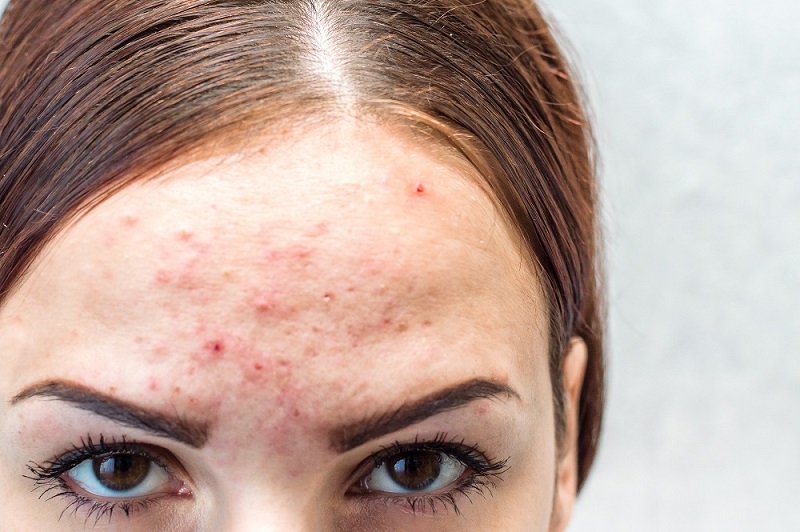
Acne is a dermatological condition caused by inflammation and mild infection in clogged pores. If not properly treated, acne can cause emotional distress, low self-esteem, and depression. In severe cases, it can even lead to permanent scarring.
While not a serious physical health threat, acne is an embarrassing skin problem that can be life-altering for many patients. Though it is most common among teenagers, acne can affect anyone, regardless of age or gender, and can be mild, moderate or severe.
A dermatologist may recommend patch testing to identify the substances triggering an allergic skin reaction. Patch testing can help you identify and avoid allergens and improve your skin and overall health. You can learn more about patch testing at U.S. Dermatology Partners on this page or by contacting the location nearest you to schedule a consultation with one of our knowledgeable dermatologists.
Alopecia Areata, also known as spot baldness, is a type of hair loss in which your immune system attacks hair follicles. This leads to areas of baldness on the scalp and body. In severe cases, a person with alopecia may even lose the hair of their eyebrows and eyelashes.
Learn More About Benign Skin Lesions & Possible Treatment Options
If you’ve noticed new skin growths, lumps, or bumps, chances are you’re dealing with a lesion. But, to know whether or not the lesion is benign, you’ll need to consult with a professional. At U.S. Dermatology Partners, our skilled dermatologists can partner with you to determine the type of lesion and help you decide if treatment is necessary for your condition. To get started, simply fill out our online scheduling request form, and a U.S. Dermatology Partners team member will be in touch to finalize the details of your visit.
What Are Benign Lesions?
Benign lesion is an umbrella term that may reference any number of non-cancerous lesions of the skin. These lesions may develop on any part of the body with soft tissue. They are classified (named) according to their specific sets of features, where they develop, and other characteristics. Determining if a lesion is non-cancerous requires an accurate diagnosis from a dermatologist.
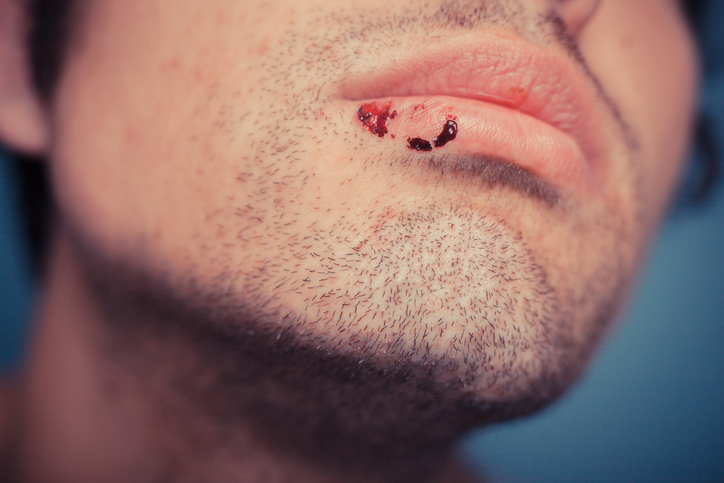
Cold sores, which are also called fever blisters, are groups of blisters that appear on the lip and around the mouth. The blisters may break open and leak a clear fluid and then scab over. They may take up to two weeks to heal. They are caused by the herpes (HSV) virus.
Addressing Symptoms of Common Irritant & Allergic Skin Responses
Contact dermatitis is a common skin condition that impacts millions of people. At U.S. Dermatology Partners, we can help patients who struggle with contact dermatitis and other skin conditions to address their symptoms and look and feel their best. You can learn more about contact dermatitis on this page or by scheduling a consultation with a U.S. Dermatology Partners office location in your area.
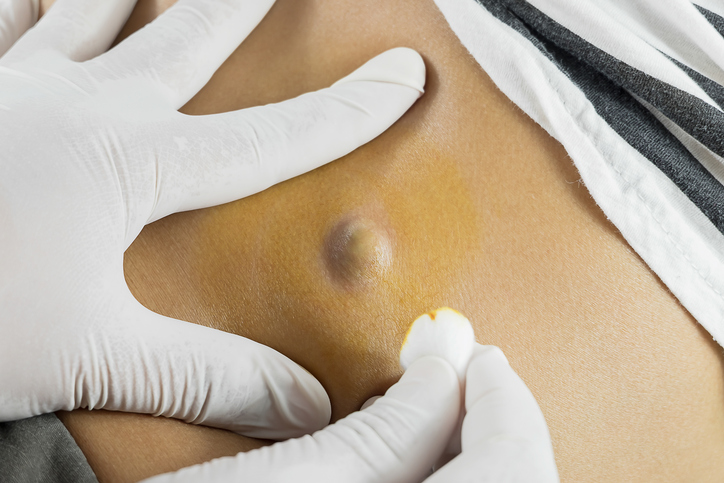
Cysts are pockets of tissue (sacs) that may become filled with pus, fluids, skin cells, and even air.
They are fairly common on the skin and can appear anywhere on the body. Cysts may feel like a pea under the surface of the skin, but without removal, they can grow significantly larger over time. In most cases, cysts are not painful, and they grow slowly. There are different types of cysts as we’ll discuss in the next section, and the vast majority of these skin growths are benign (not cancerous). Not all cysts will require treatment, but it is vitally important to have any lump under the skin evaluated and diagnosed by a board-certified dermatologist because some soft tissue malignancies (growths that are cancerous) can present like a cyst. Before recommending removal or other cyst treatments, your dermatologist will examine the growth to determine whether it is likely to cause you pain, become infected, or otherwise lead to skin health issues.
Skin cysts, which can appear anywhere on the body, are usually painless and grow slowly.
Dandruff is a condition of the scalp which causes flaking and itching of the skin. It is more common in people with the skin conditions seborrheic dermatitis, psoriasis and eczema, and also can be a reaction to hair or skin products.
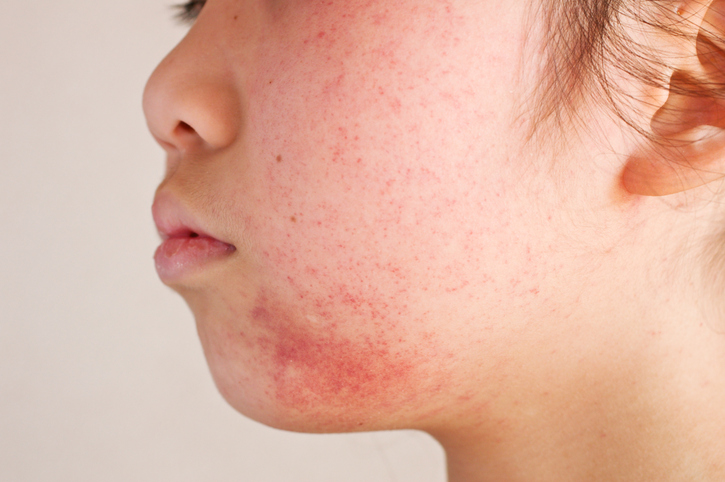
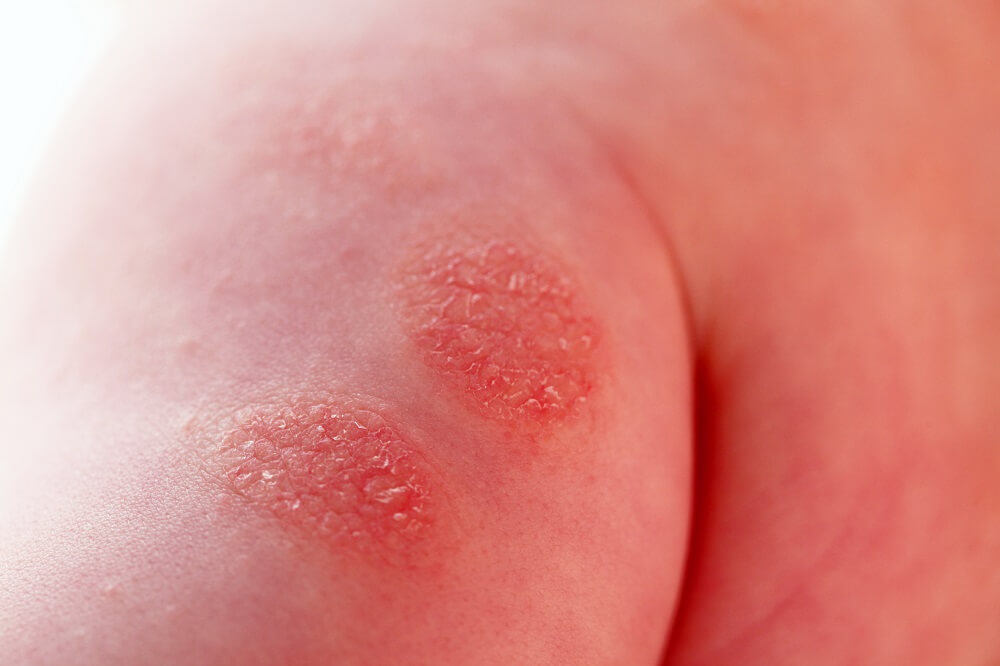
Dermatitis, also sometimes referred to as eczema, is a common condition characterized by an itchy rash and inflamed skin. There are many different types of dermatitis and symptoms can range in severity from mild itching and redness to severe blistering and cracked skin.
Dermatitis is a group of diseases and comes in many forms, but all are characterized by inflammation of the skin, redness and itchiness.
Eczema, also sometimes referred to as dermatitis, is a common condition characterized by a certain type of inflammation in the skin. There are many different types of eczema and symptoms can range from mild itching and redness to severe blistering and cracked skin. Whether you’re newly diagnosed with eczema or you’ve struggled with this chronic skin condition for years, you know that finding a treatment that works for you isn’t just important – it’s essential. Without proper and effective interventions, people with eczema can experience significant discomfort, itching, and inflammation.
At U.S. Dermatology Partners, our knowledgeable dermatologists partner with their patients to develop and maintain an effective eczema maintenance plan and provide advanced treatments for serious flareups. Learn more on this page or contact U.S. Dermatology Partners to get started working with us today.
You might ask, what does hair loss have to do with skin?
Hair is actually a protein filament that grows from follicles deep in the skin up through the top layer of your skin. Your hair helps to regulate body temperature and also serves to protect your scalp. Almost everyone experiences some degree of hair loss at some point in life.
Herpes simplex virus, often referred to simply as HSV, is an extremely common viral infection impacting millions of people in the U.S. alone. While there’s no known cure for HSV, some treatments have proven effective in minimizing the number and severity of flare-ups. You can learn more about HSV, its symptoms, and treatment options on this page. You can also work with one of the knowledgeable professionals at U.S. Dermatology Partners to create a treatment plan. To get started, simply complete our online scheduling request form. One of our team members will be in touch soon to finalize the details of your treatment plan.
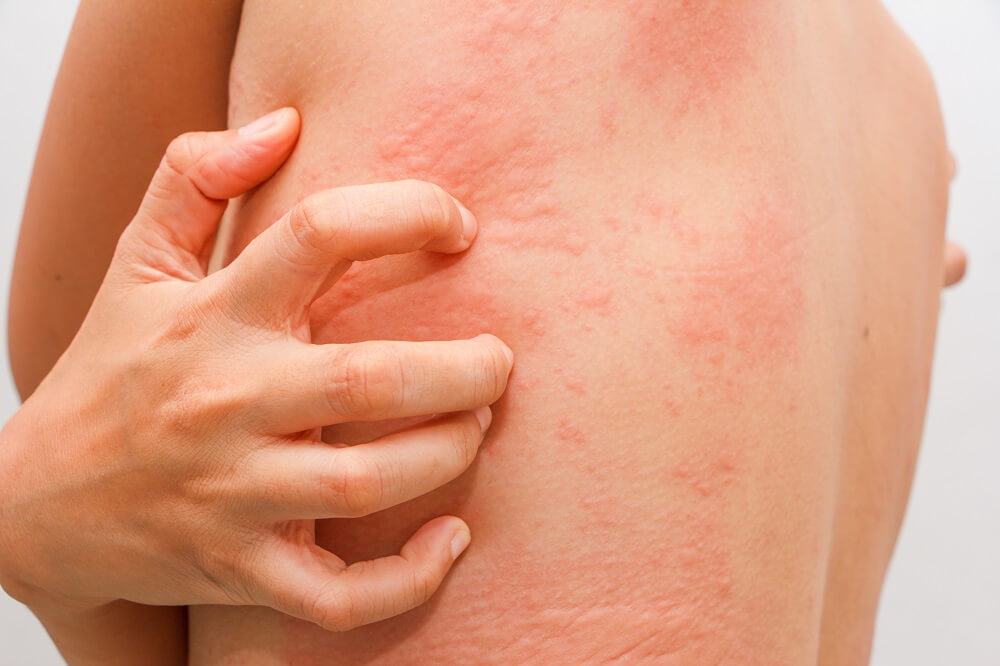
If you’re dealing with the itchy, inflamed, painful skin condition called hives, it may be time to call U.S. Dermatology Partners for help. Hives can be very uncomfortable, but recognizing the warning signs and taking appropriate actions to care for your skin can be important to quickly relieve these symptoms and get back to feeling your best. Keep reading to learn more about what causes hives and how your dermatologist can treat this condition.
Hyperhidrosis, often referred to as excessive sweating, occurs when people experience disproportionate and/or unnecessary sweat production. While sweating is a natural function of the body’s systems to keep itself cool and maintain the best temperature, sweating too much or sweating that is not necessary to cool the body can create many difficulties that impact your overall health and wellbeing. Generalized hyperhidrosis may affect the whole body. Others have localized cases of excessive sweating that impact only certain areas. Specifically, there are three main types of localized hyperhidrosis: axillary (impacting the underarms), palmar (impacting the palms), and plantar (impacting the feet). If you experience general or localized excessive sweating at least once per week, you should talk to a dermatologist about a treatment plan.
There are three main types of localized hyperhidrosis: axillary (impacting the underarms), palmar (impacting the palms), and plantar (impacting the feet).
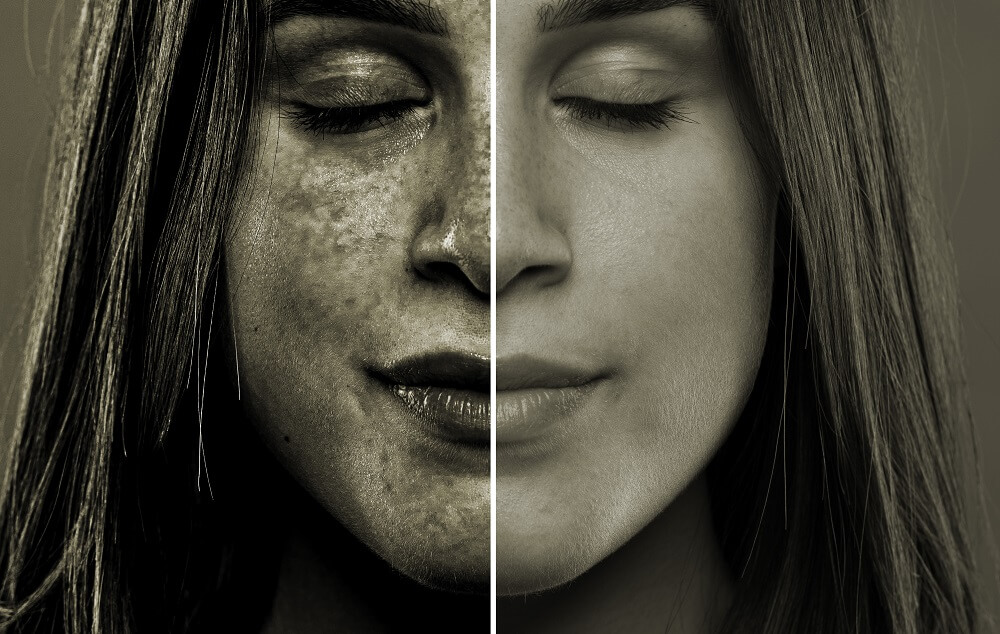
Melasma is a fairly common skin condition that creates the appearance of brown to gray-brown patches of skin, usually on the face. It can also occur on the neck and forearms and is the result of the body producing too much melanin, that natural substance that colors our hair, skin, and eyes.
If you’re dealing with dark spots or patches on your skin from the chronic condition melasma, the U.S. Dermatology Partners team can help you to improve the appearance of these spots and minimize the risk for future flare-ups of the condition. Read the page below to learn more or reach out to the U.S. Dermatology Partners location nearest you for more information.
Milia is a commonly occurring skin condition that causes small bumps on the skin, and while these bumps may be irritating, the skin condition is harmless. You can learn more about milia, how it’s treated, and when to visit your dermatologist for help managing this skin condition on this page. If you have questions or want to schedule an appointment at U.S. Dermatology Partners, we invite you to take a few moments to complete our simple online request form.
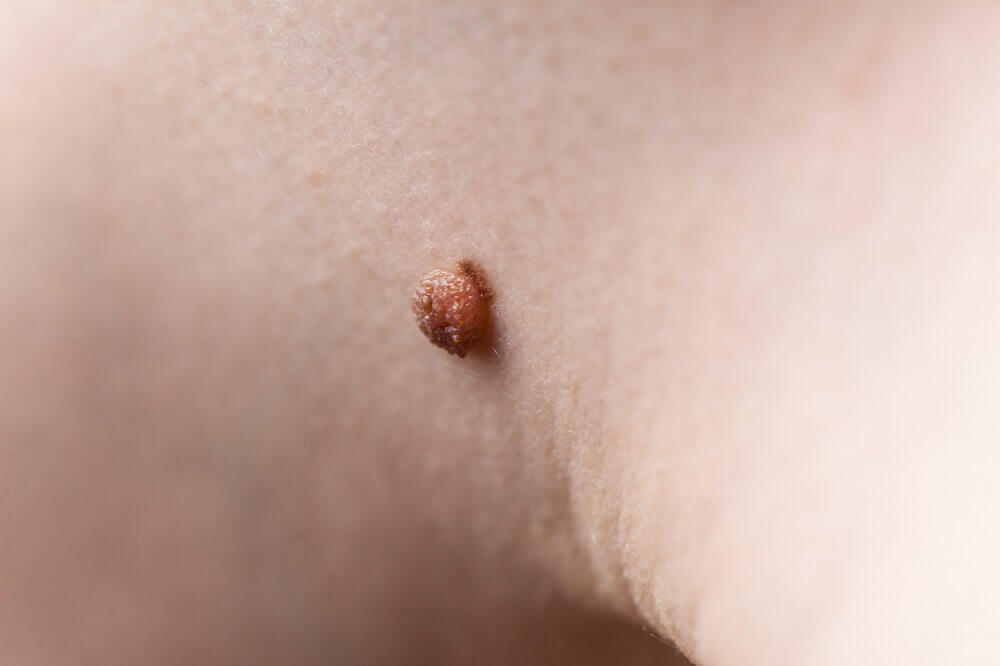
Atypical moles, also known as dysplastic nevi, are unusual-looking benign (noncancerous) moles.
A dysplastic mole is one that, when viewed on a cellular level, has features unlike those of a healthy, benign mole. A benign mole will have a regular pattern of coloration and pigment, even borders, symmetry, and a tan or pink color. Dysplastic moles can be asymmetric, have indistinct borders, or contain multiple colors or very dark pigment.
Dysplastic moles are often spotted as the “ugly duckling” on a patient’s skin. Any departure from the typical mole a person’s skin makes may be dysplastic. They can appear anywhere on the body, but in most cases are found on the back, chest, buttocks, breasts, or scalp.
People with atypical moles are at a higher risk of developing melanoma.
Telemedicine, also known as online dermatology, telehealth, or teledermatology, is the use of telecommunications technology to provide care across a distance. This includes using the Internet, cell phones, SMS messaging and even satellites to allow physicians and patients to communicate medical information. This technology has been available for over a decade now, but as it has gotten better and better, telemedicine has now become much more available, easy to use, and secure. If used in the right way, it is one of the best ways that we can improve access to care.
Because dermatology is a very visual field and a specialty in high demand, patient access is often challenged by long wait times. Meeting a dermatologist online can be a great way to provide patients with increased access to skin care. Teledermatology involves the use of real-time video streaming, or more commonly the transmission of still images, pictures, and video in combination with a patient’s medical information collected via questionnaire. Teledermatology can be utilized in many ways including physician-to-physician consultations, triage, follow-up care, and patient education.
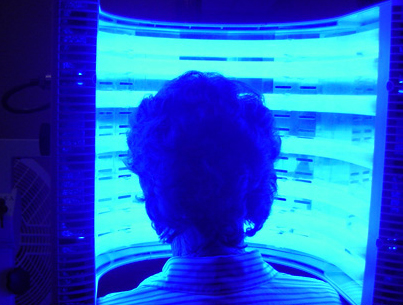
Photodynamic Therapy, often referred to simply as PDT, is a medical treatment that uses photosensitizing agents and light exposure to treat a range of conditions, including skin cancers, acne, and actinic keratosis (“pre-cancers”). You can learn more about photodynamic therapy on this page, and the U.S. Dermatology Partners team would love to hear from you if you’re interested in scheduling a consultation to discuss photodynamic therapy. Simply use our online request form to schedule a consultation visit at the U.S. Dermatology Partners office closest to you.
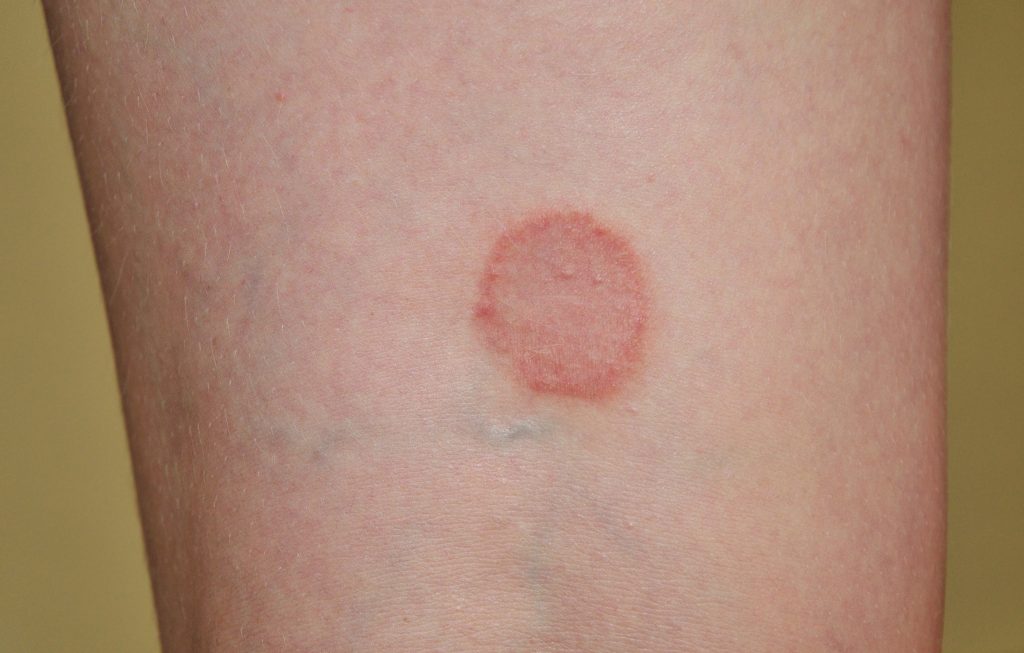
Despite the name, ringworm is not caused by worms; it is a skin infection caused by a fungus. It can be caused by touching another person who has the infection, or by sharing items that the person has been in contact — such as towels, bedding, chairs and clothes. It can also be caught from animals with fungal infections and, rarely, from contact with fungi in the soil.
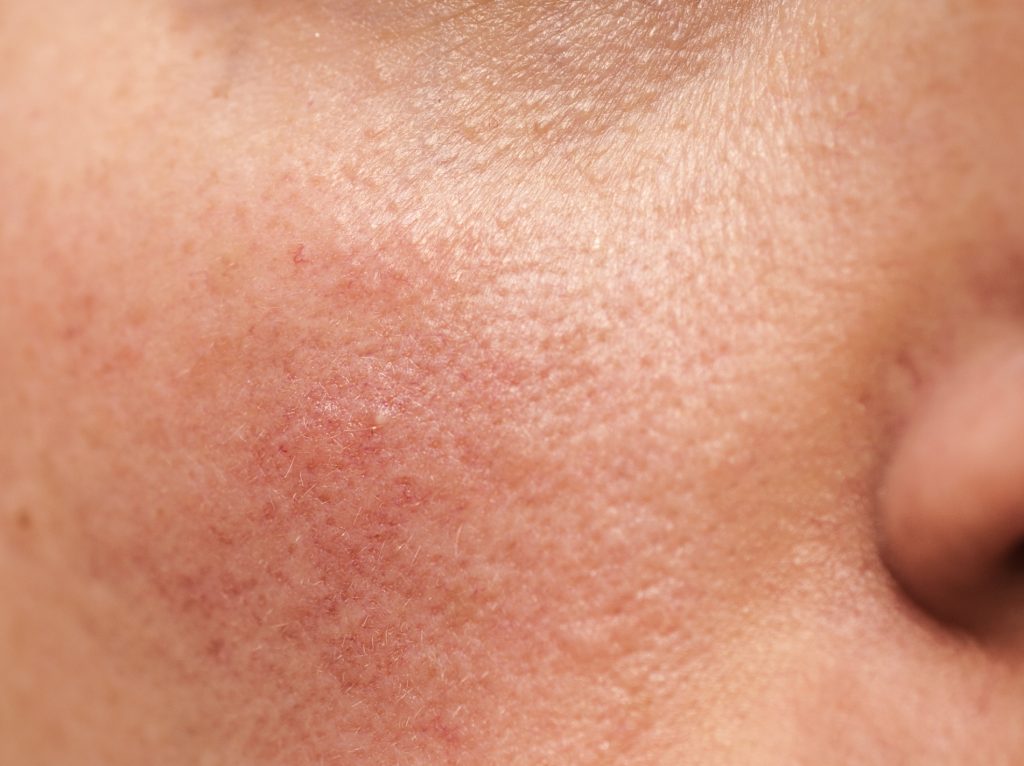
Rosacea is a fairly common skin condition that causes redness in your face. In some cases, it may also produce small, red, pus-filled bumps. Typically these signs and symptoms may flare up for a period of weeks to months and then diminish for a while.
Rosacea may sometimes be mistaken for acne, an allergic reaction or other skin problems. It is believed to be caused by a combination of hereditary and environmental factors.
Sebaceous hyperplasia is a benign bump on the skin that forms as a result of over-productive oil glands. When oil glands are damaged, they can become enlarged and clogged, leading to this condition. It is primarily a cosmetic concern rather than a medical problem.
Sebaceous hyperplasia is a benign bump on the skin that forms as a result of over-productive oil glands.
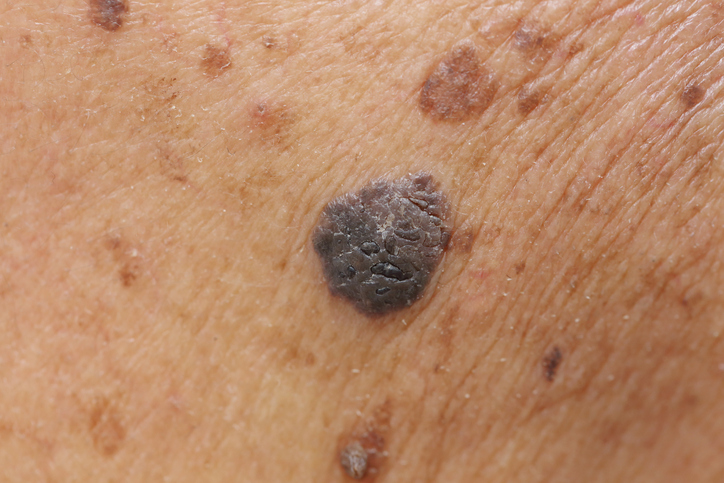
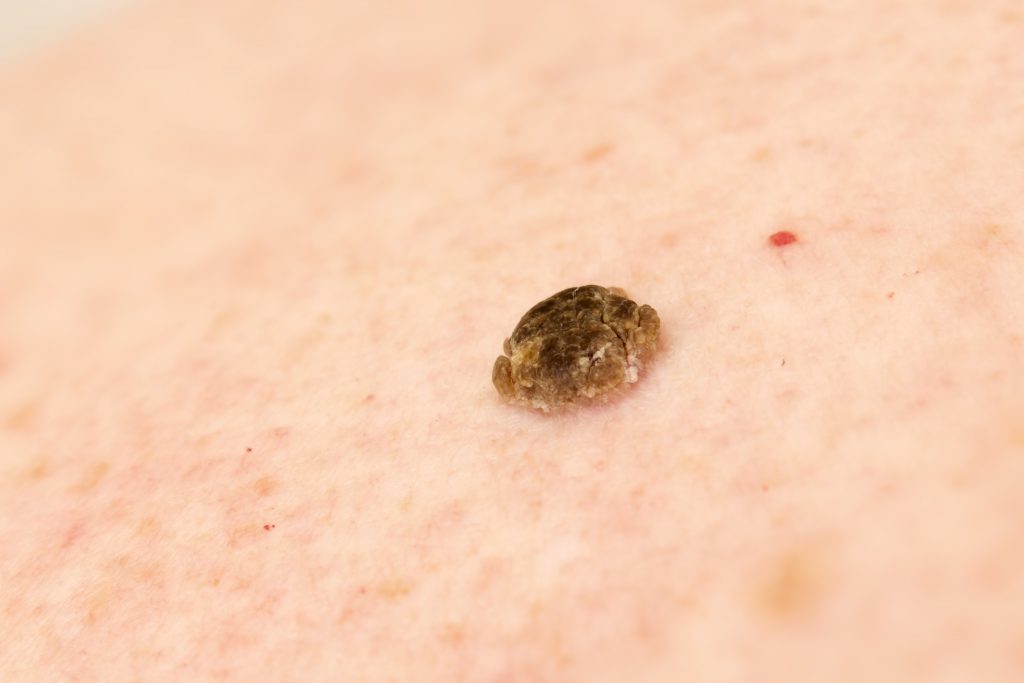
Seborrheic keratosis is one of the most common noncancerous skin growths found in older adults. It most commonly appears as a brown, black or light tan growth on the face, chest, shoulders or back. Although they are not cancerous, they can look like skin cancer.
Seborrheic keratosis is also known as seborrheic verruca or a senile wart.
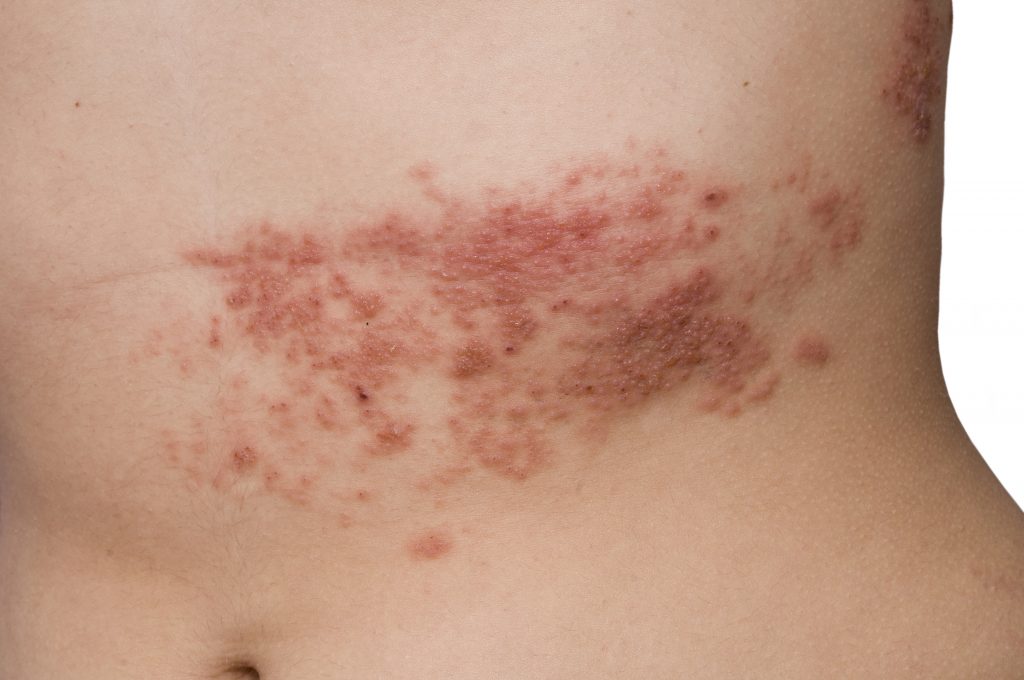
Shingles, also known as herpes zoster, is a painful skin rash that occurs when the virus that causes chickenpox reactivates.
Typically, shingles appears on a small area on one side of the face or body. The rash is often painful because it travels up nerve roots (which supply sensation to your skin) to the area of skin supplied by those specific nerve roots.
Shingles is a painful skin rash that occurs when the virus that causes chickenpox reactivates.
Skin tags are small, soft skin growths that can occur anywhere on the body but are most common on the eyelids, neck, armpits, groin folds and under the breasts. They are harmless but they can be annoying, particularly if they are in an area where they are rubbed on by clothing. They may be flesh-colored, pink or may darken.
Skin tags are small, soft growths that can be skin-colored, pink, or may darken.
The sun can age and burn your skin, and it can also cause damage on the cellular level, leading to skin cancer. The good news is, the U.S. Dermatology Partners team can help you formulate a plan to prevent sun damage and repair the effects of the sun’s UV rays so that you can go out and enjoy a sunny day. Learn more on this page or contact U.S. Dermatology Partners to schedule an appointment with us.
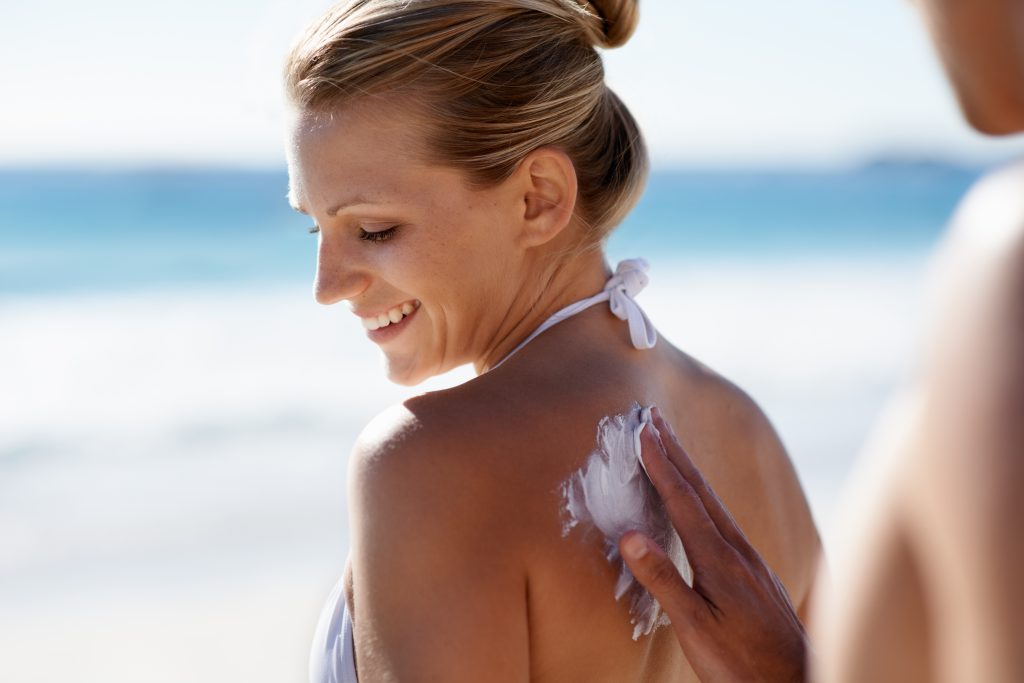
Individuals who are prone to sunburn are thought to be genetically predisposed to skin cancer. Risk is also increased when exposure to UV rays is excessive. Sunscreen helps prevent the damaging effects of ultraviolet radiation, including skin aging and skin cancer like melanoma and squamous cell carcinoma.
Sunscreens are rated and labeled with a sun protection factor (SPF) that measures the fraction of sunburn-producing UV rays that reach the skin. The higher the SPF, the greater the protection.
Sunscreen is a topical product that is used to reflect or absorb some of the ultraviolet rays from the sun.
Laser hair removal is one of the most popular cosmetic treatments offered today. This procedure saves patients countless hours of uncomfortable plucking, tweezing, waxing, and shaving by offering a longer-lasting hair removal option. While lasers have been used for decades to remove unwanted hair, science, and technology continue to progress and develop new and innovative lasers and application methods that improve the treatment process and results. One of the most recent laser hair removal innovations is the Bare HR laser hair removal system. This system boasts some of the fastest treatment times possible with application for all skin types, tones, and areas. Bare HR is truly revolutionizing the way dermatologists offer laser hair removal.
Belotero Balance, often called simply Belotero, is the brand name of an injectable dermal filler that helps smooth lines and wrinkles in the face. It is made from hyaluronic acid, a natural element found in skin that binds to water, which makes it effective for minimizing facial folds and wrinkles. It is most often used in people with moderate to severe lines, and it works quickly to remove facial wrinkles.
Birthmarks are common, benign skin conditions, and for the most part, their only negative effect is to mar the cosmetics appearance of the skin. If you or your child have a birthmark that causes you concern, a dermatologist can examine it to ensure it isn’t a more serious skin condition and provide treatment to remove or diminish the appearance of the birthmark. On this page, you can learn more about the different types of birthmarks and the available treatment options.
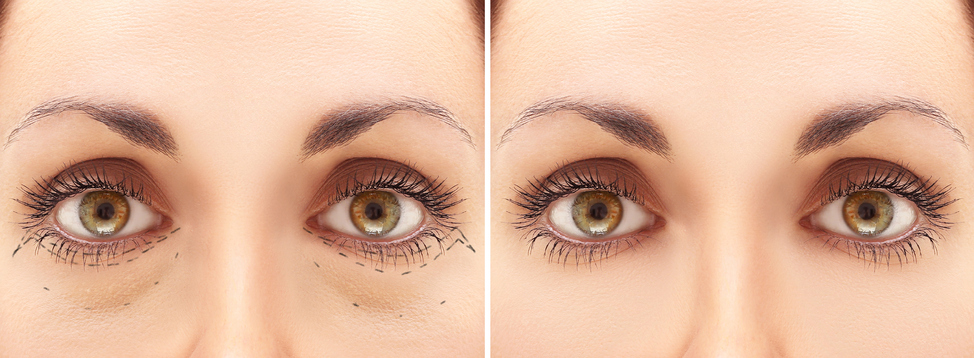
Blepharoplasty is also known as eyelid surgery or an eyelid lift. It is done to remove excess skin and fat in the upper eyelids. While most blepharoplasty patients are female (85% of blepharoplasty procedures in the US in 2014 were performed on women), more and more men are also seeing the benefits of tightening sagging skin around the eyes.
Blepharoplasty, or an eyelid lift, removes excess skin and fat from the upper eyelids.
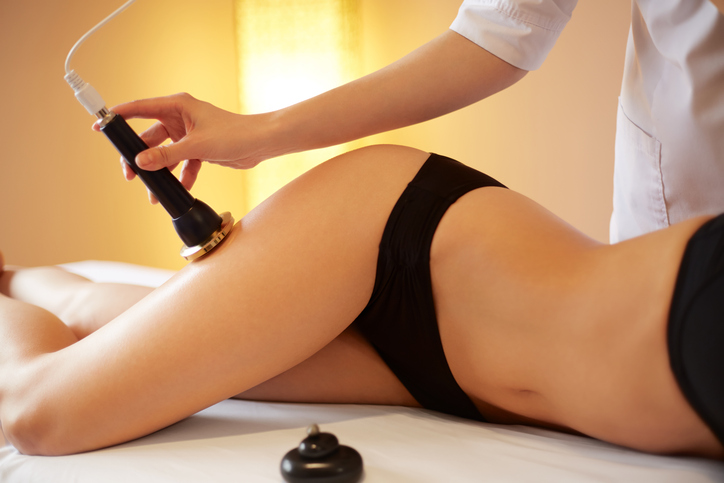
Body Contouring is a non-surgical way of reducing fat. Today there are many different technologies on the market that use technologies like ultra-low temperatures to freeze fat (see CoolSculpting,TruSculpt iD, CoolTone, or SculpSure for more details) or ultrasonic waves and radio frequencies to melt fat.
Body contouring can be done on many areas of the body, including the abdomen, waist, and arms and legs.
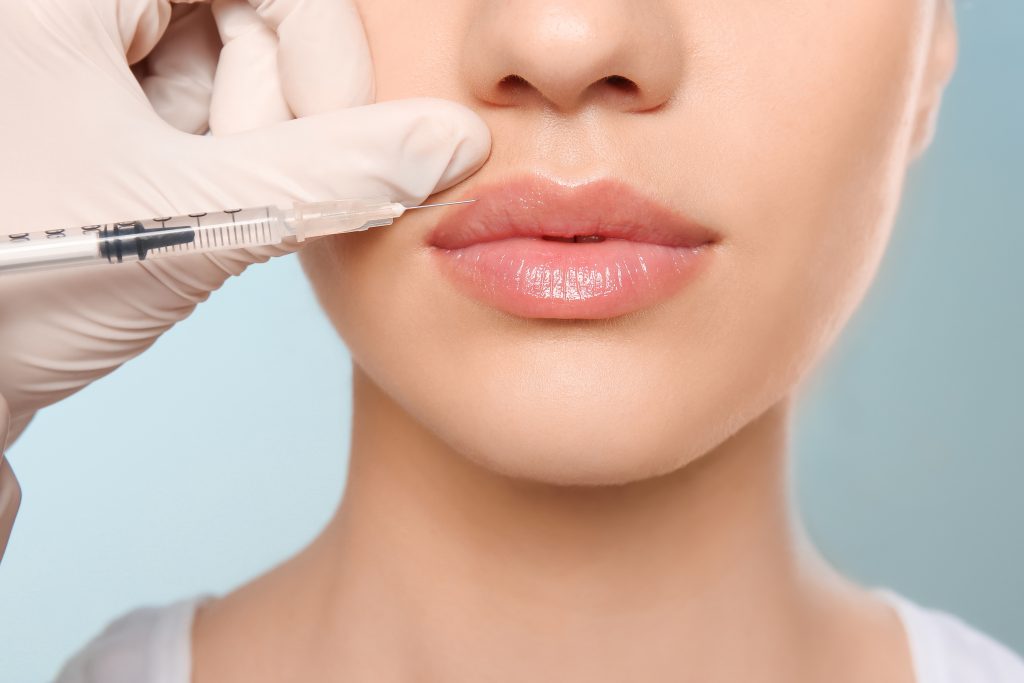
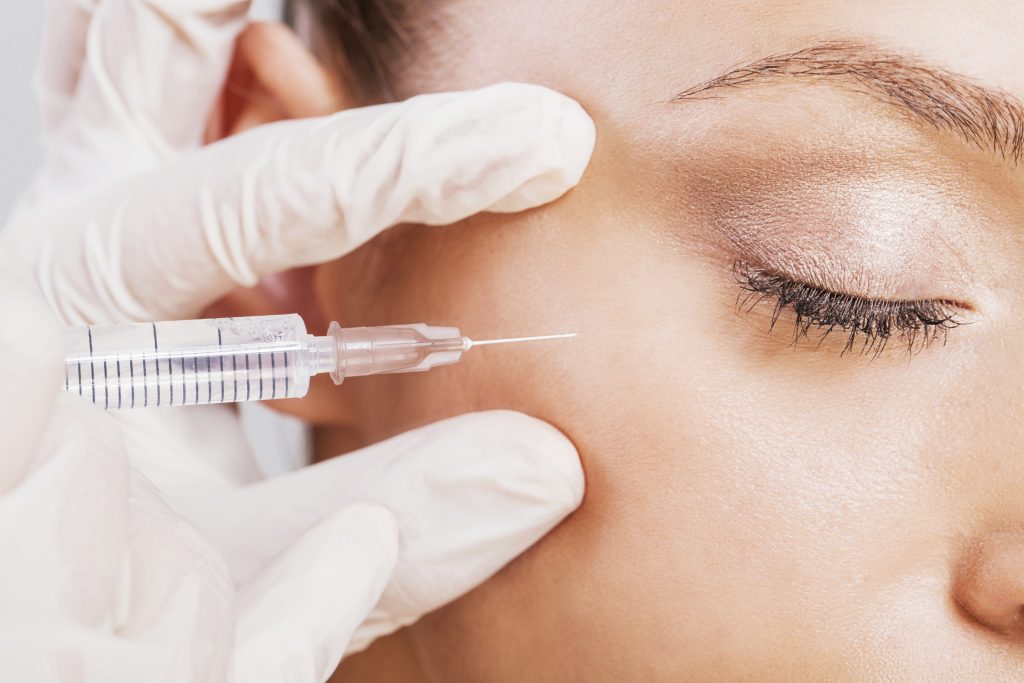
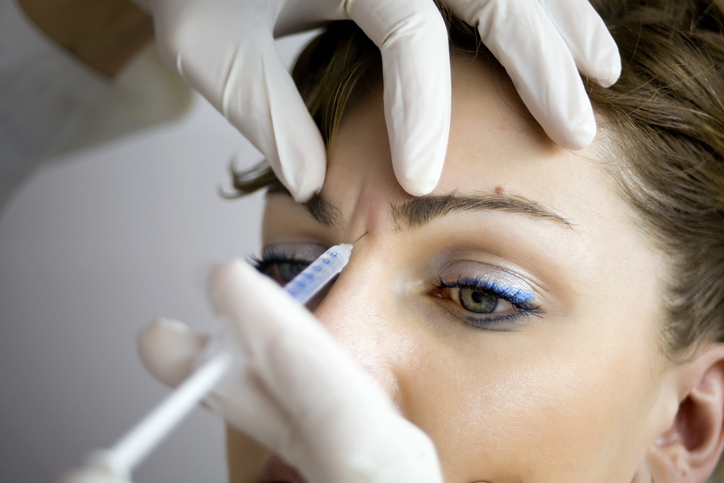
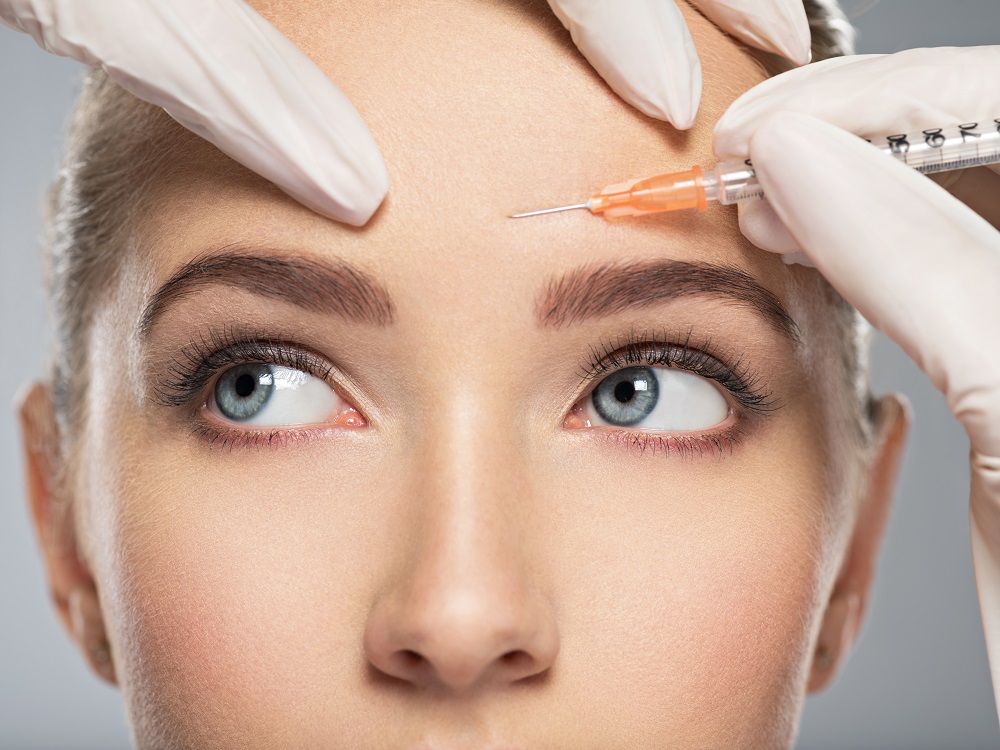
Botox, the commercial brand name for botulinum toxin (BTX), is an injectable cosmetic dermatology treatment that reduces the appearance of fine lines and wrinkles on the face.
Unlike injectable wrinkle fillers, which work by filling a crease in your skin with another substance, Botox actually relaxes targeted muscles to reduce the look of lines in the face. This results in smoother skin with a more youthful appearance.
Each Botox injection relaxes key facial areas by temporarily paralyzing specific muscles. This temporarily removes wrinkles and improves the look of laugh and frown lines, skin bands on the neck, crow’s feet, forehead creases and more.
Botox is a quick procedure that is done in just minutes in your doctor’s office.
Although it was originally developed to treat eye muscle disorders, Botox has become popular cosmetically and this is now its primary use. In fact, Botox injections are now the most common cosmetic treatment in the U.S., with 6.3 million procedures done in 2013. Because Botox inhibits the release of certain neurotransmitters, it is also sometimes used to treat chronic migraines.
Broad Band Light Photofacial is the newest technology in IPL treatments (also called BBL for short). This revolutionary innovation uses advanced dual-lamp technology to correct homely skin conditions such as acne, rosacea and sun damage. The BBL Photofacial technology penetrates the top of the skin down through the layers deep beneath the surface, which cannot be reached by a topical product alone.
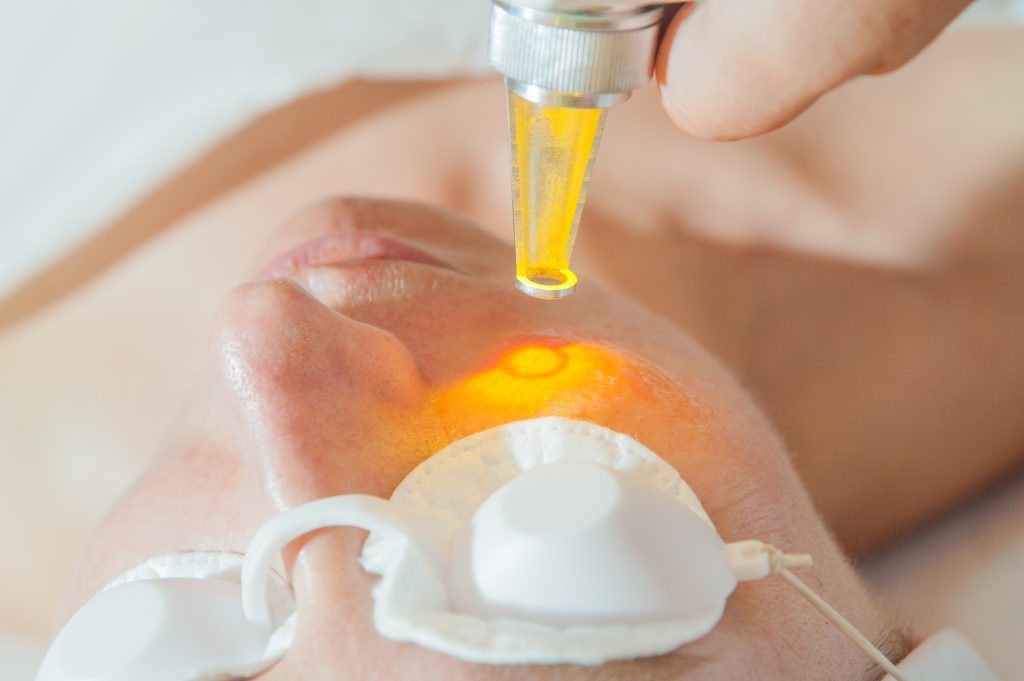
The CO2 laser is a carbon dioxide laser that is used for skin resurfacing. Thin layers of skin are vaporized using a high-energy beam of laser light. This creates a “controlled injury” to the skin: as the skin heals, it produces collagen as a natural part of the healing process, which restores your skin’s elasticity.
CO2 laser resurfacing is designed to minimize wrinkles, reduce facial scarring, even out skin tone, and increase dermal collagen. When performed by an experienced provider, CO2 laser resurfacing typically is more effective than other treatments like dermabrasion or microneedling.
When it comes to dermatological treatments that will help people reclaim a youthful glow, create an even skin tone, and minimize the appearance of scars, chemical peels offer a conservative solution that addresses all of these concerns. Chemical peels are versatile treatments that help to improve the health and appearance of the skin, and just about every patient could benefit from the procedure. If you’re interested in learning more, continue reading below or get in touch with a U.S. Dermatology Partners location near you to schedule your visit.
Chemical Peels are treatments that can improve the skin’s appearance by peeling off an old layer of skin to reveal the healthy new skin below. The ingredient used in the chemical peel solution makes the skin redden, and when the skin peels off, the skin below it is smoother, healthier, and less wrinkled.
Clear + Brilliant laser treatments are one of the most sought after cosmetic dermatology treatments. It’s a gentle procedure that improves the health and vitality of skin, helping patients renew that youthful glow they’ve been missing. The innovative fractional laser technology is used to improve skin elasticity, reduce the appearance of fine lines and wrinkles, remove or diminish the visibility of dark spots, and generally improve the appearance of skin.
Clear + Brilliant is a fractional laser treatment used to prevent and repair the visible signs of aging, sun damage, enlarged pores, and other irregularities of the skin’s tone and texture. Used effectively, Clear + Brilliant laser treatment can help reduce the need for cosmetic dermatology surgeries and other more invasive treatment options. The fast treatment is gentle and effective, leaving people with more youthful skin after just one short treatment appointment. Most people receive a series of four to six Clear + Brilliant laser treatments to achieve their desired results. Plus, there’s little to no downtime following treatment, so you don’t have to worry about swelling, redness, and discomfort after your procedure. There are other fractional laser technologies used for dermatologic procedures at U.S. Dermatology Partners, but Clear + Brilliant laser treatment is one of the most comfortable.
CoolSculpting is a safe, effective and non-surgical way to get rid of fat. It is a form of body contouring that uses extremely low temperatures to freeze and permanently destroy fat in problem areas. As a quick treatment with no downtime or recovery time afterward, it is an easy way to target problem areas that are resistant to diet or exercise.
While CoolTone was developed by Allergan, the makers of CoolSculpting, this treatment does not actually rely on cold to deliver results. Instead, the CoolTone device is an innovative, body sculpting technology that utilizes magnetic pulses to strengthen muscles and improve the appearance, tone, and definition of muscles. The CoolTone device is FDA-cleared for treating the abdomen, buttocks, and thighs.
The CoolTone device itself is a free-moving unit with an attached computer screen. The hand tool in the CoolTone system is used to apply magnetic impulses to the targeted areas of the body. The entire procedure is precisely monitored via the attached screen.
Looking to improve and recover your skin’s youthful appearance?
As we age, our skin naturally loses collagen and elasticity. At the same time, repetitive movements and expressions can create facial wrinkles. In addition to comprehensive medical procedures, dermatologists also provide a wide range of minimally-invasive, low impact treatments designed to address a number of aesthetic desires to help you look and feel your best.
While many conditions from unwanted hair and tattoos to wrinkles and rosacea may not be physically harmful, they can be uncomfortable and even cause emotional distress. Cosmetic dermatology offers a wide range of cosmetic surgery and non-surgical services focused on giving you the results you want without the pain, worry, and downtime.
Cosmetic dermatology focuses on aesthetic issues such as skin tone and overall appearance.
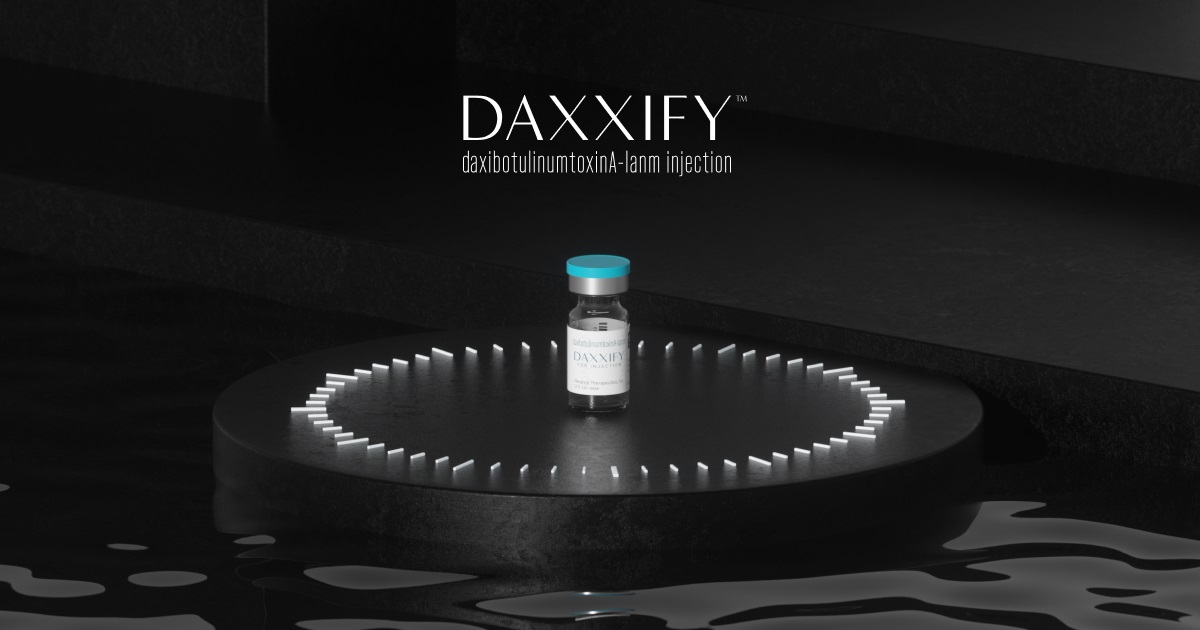
Daxxify is the latest injectable treatment approved by the FDA to improve the appearance of frown lines. On average, people maintained the results of Daxxify for six months with some seeing improvement for up to nine months after treatment, making it one of the longest-lasting neurotoxin injectable treatments available. If you’re interested in this innovative and effective new treatment, the skilled, board-certified dermatologists at U.S. Dermatology Partners are happy to discuss your treatment options during a consultation visit. You can also learn more about what Daxxify is, when it’s recommended, the benefits of this treatment option, and more on this page.
Loss of facial fullness and volume is one of the many age-related changes that people want to address with their dermatologist. From store-bought topical treatments to advanced dermatologic and surgical procedures, there are numerous cosmetic dermatology treatments available to help restore youthful volume. However, dermal and soft tissue fillers are often the most conservative and impactful solutions to restore volume without undergoing more invasive treatments. There are many different types of dermal and soft tissue fillers, and each one is formulated to address a specific area or issue related to volume loss. You can learn more on this page.
At U.S. Dermatology Partners we offer premier dermatology services for patients of all ages. Book your appointment today to find the best facial filler treatment for you and your skin, using our simple, online scheduling request form.
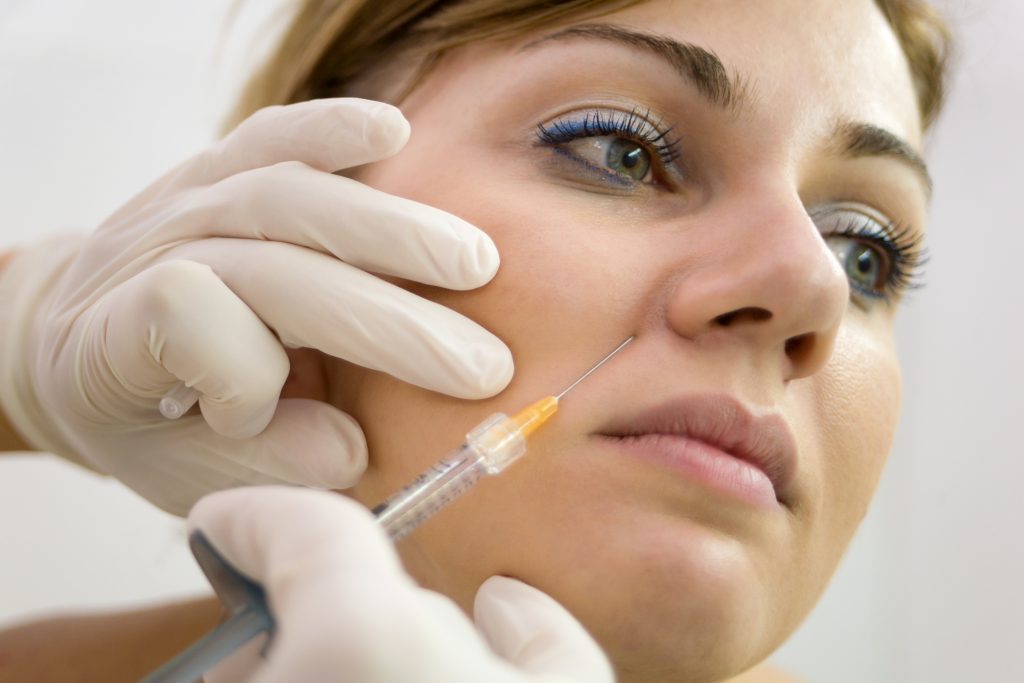
The procedure for dermal fillers can usually be done in less than an hour.
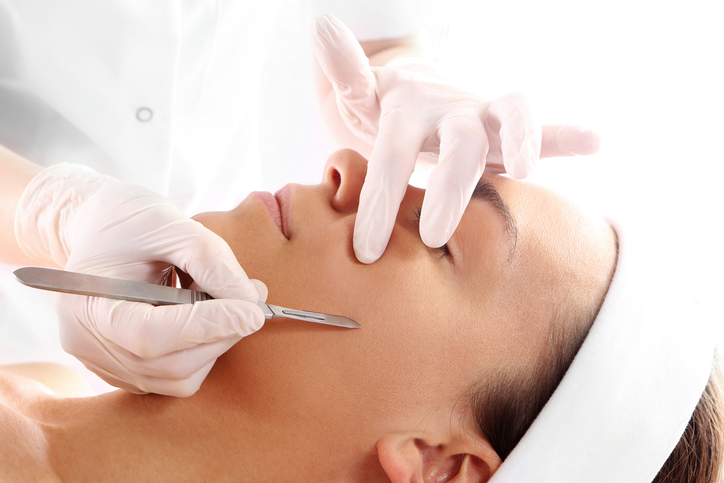
Dermaplaning is a safe and effective physical exfoliation procedure that triggers cell regeneration and allows products to better penetrate the skin. Dermaplaning is considered excellent for ridding the face of excess fine hairs which can often accumulate dirt and oil.
Dermaplaning is a form of physical skin exfoliation that helps the skin appear younger, healthier and more vibrant.
When you look in the mirror, are words like “vibrant” and “radiant” the first ones that come to mind when describing your appearance? Many people would see their skin as dull, dry, or uneven. Most have small imperfections in skin tone and texture or clogged pores that they would like to improve. Fortunately, an innovative treatment from U.S. Dermatology Partners can promote healthy, glowing skin with little to no downtime.
You can learn more about DiamondGlow® treatment on this page, and if you’re ready to start working with U.S. Dermatology Partners to achieve flawless skin, take a few moments to complete our scheduling request form
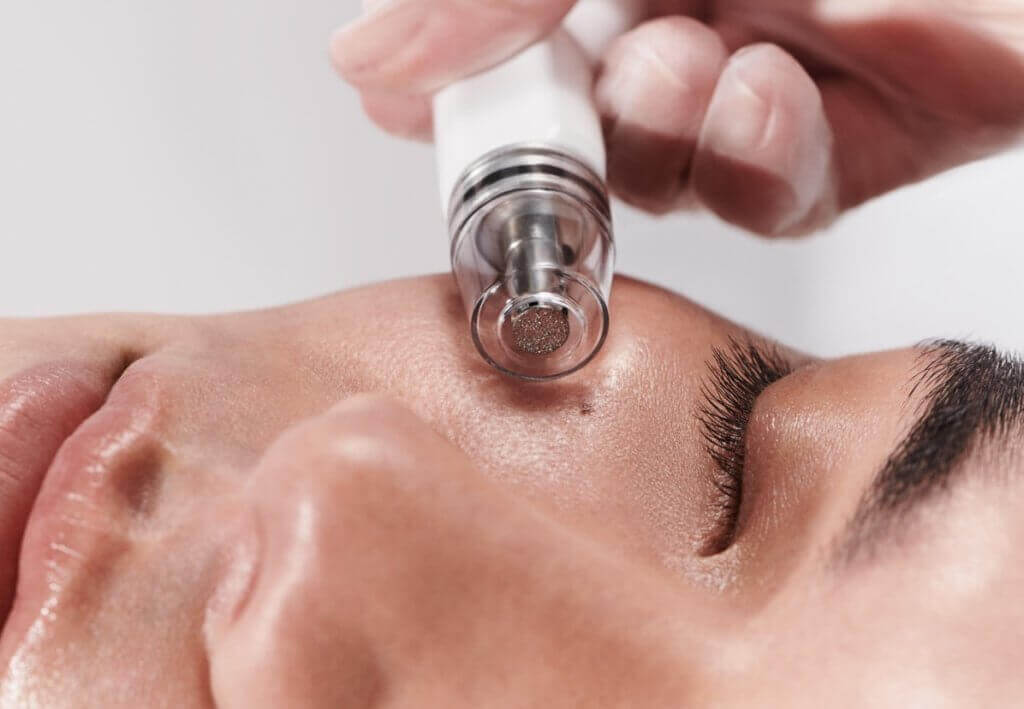
DiamondGlow® is a non-invasive cosmetic treatment that features the unique 3x1TM Technology that removes dead cells to stimulate skin renewal, deeply cleanses and clears debris from pores, and infuses the skin with nourishing SkinMedica® active ingredients. Whether your skin is thin or coarse in texture, the microdermabrasion treatment is adjusted to your needs. Another customizable feature is the SkinMedica® Pro-Infusion Serum. Your provider will choose from different serums that are specifically designed to revitalize, brighten, hydrate, boost antioxidant protection, and clarify pores. This treatment refreshes and nourishes the skin to reveal the more clear, vibrant, smoother skin below. Most people notice benefits immediately after treatment, which continue to improve over the following days. DiamondGlow® treatment is only available in offices with dermatologists and other medical professionals. It isn’t available as a spa treatment, though it may leave you feeling soothed and relaxed like you just took a trip to your favorite day spa.
Dysport is a prescription injection used for the temporary improvement in severe frown lines between the eyebrows. As the muscles relax and prevent contractions, wrinkles in and around the brow and frown area will disappear.
Dysport, also known as Reloxin, is made from a neurotoxin produced by the bacterium Clostridium botulinum; it is the same neurotoxin used in BOTOX Cosmetic.
Erbium laser resurfacing is a procedure that uses advanced laser technology to remove the outer layers of skin, revealing new, refreshed skin cells below. This can be used to help smooth the texture of the skin and create an even skin tone. In addition to removing the outer layers of skin, erbium laser resurfacing also stimulates the production of collagen and elastin, which give skin youthful fullness. This procedure is similar to procedures like chemical peels or dermabrasion used to reduce the appearance of fine lines, wrinkles, hypo or hyperpigmentation, and scarring. Erbium lasers allow for a range of treatment depths to address a wide variety of cosmetic concerns. A combination or sequence of laser treatments may be used to deliver the desired results over the course of several visits.
While there are many lasers available to improve the appearance of the skin, erbium lasers are often relied upon for their precision. Because of the greater amount of depth control built into most erbium laser treatment systems, smaller areas can be targeted, and these lasers can be used safely on sensitive areas like the face, neck, hands, or chest. Because of the treatment precision, the dermatologist is able to minimize posttreatment discomfort and recovery time compared with CO2 laser treatments and other laser resurfacing options.
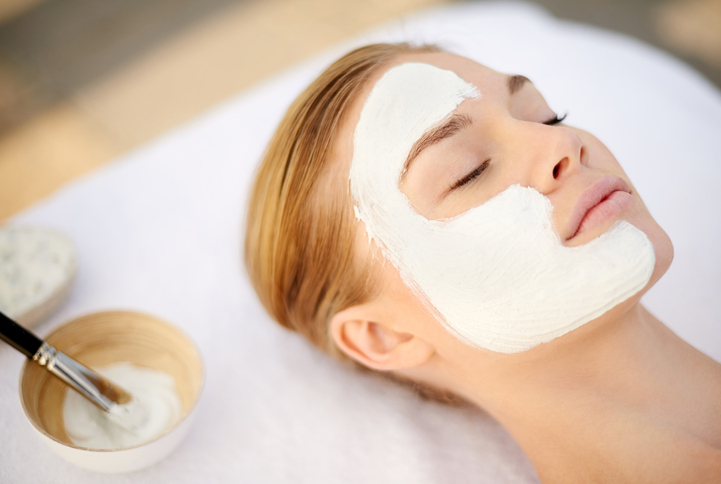
When people hear “facial,” they may think of a trip to the spa. While these treatments do feel refreshing, they also offer numerous dermatologic benefits for healthy skin. However, many medi-spas and other practitioners who provide facials don’t have the proper training to make the necessary personalized adjustments to meet individual needs and address specific skin health concerns. If you’re looking for an indulgent and relaxing professional option, consider scheduling a facial treatment at U.S. Dermatology Partners.
Deep cleansing facials can be as relaxing as they are effective.
Fractional RF with Pixel8 is an innovative non-surgical way to achieve skin tightening and smoothening through the precise delivery of radiofrequency (RF) energy. By adjusting the amount of energy, depth, and areas of treatment, Fractional RF can be customized to improve the appearance of the skin by reducing skin laxity, fine lines, wrinkles, pore size, rough or pebbly texture (“solar elastosis”), stretch marks (“striae”), and scars, including surgical scars and acne scars.
Fraxel laser skin resurfacing is a fractional laser technology designed to help restore your skin to its original texture. The laser treatment encourages the creation of new skin, which gives you fresher, younger looking skin and improved tone and texture. It also helps erase brown spots, acne scars and surgical scars, and can minimize fine line lines and wrinkles.
Fraxel skin resurfacing leaves the skin clear and beautiful.
Life is tough on skin. From sun damage, wrinkles, and scars to chronic skin conditions like acne, the signs of daily wear are likely written right on your skin. Dermatologists provide a range of treatments to address the flaws in your skin’s appearance, including laser skin resurfacing, so you no longer have to show your years. HALO laser resurfacing improves the tone and texture of the skin, diminishes the appearance of fine lines and wrinkles, and increases the production of collagen and elastin to promote long-term improvement for smooth, youthful-looking skin.
HALO laser resurfacing is an innovative treatment option that uses a hybrid fractional laser that combines both ablative and non-ablative lasers. Ablative lasers remove the top layer of skin, and they deliver a more significant change in the skin’s appearance. Ablative laser treatment is often recommended to address moderate to deep wrinkles, scars, and inconsistency in skin tone. Non-ablative lasers are directed at heating the underlying layers of skin to remove the damaged skin cells and jump-start the production of collagen. These laser resurfacing treatments are typically recommended to create an even skin tone and texture. HALO is the only laser resurfacing system that combines both ablative and non-ablative lasers to deliver exceptional results with minimal discomfort and downtime for patients. The unique HALO Laser system allows dermatologists to provide precise laser skin resurfacing and safe, consistent results. Other types of lasers require as many as six treatment visits before patients achieve the desired results, but HALO treatment is usually completed in just one to two visits.
A HydraFacial treatment, similar to microdermabrasion, is designed to refresh and rejuvenate your skin without downtime or irritation after the procedure. HydraFacials provide instant results and leave your skin looking healthier and younger. The three-step process begins by cleansing skin, then exfoliating, before finishing with a targeted “booster” serum designed to address your specific skin conditions and concerns while hydrating the skin.
Rather than using abrasive exfoliants, as is the case with microdermabrasion, the entire HydraFacial process relies on the unique tool that simultaneously draws dead skin cells, oils, toxins, and other buildup out of the skin while applying nutrient-rich and soothing products like hyaluronic acids, antioxidants, peptides, and other restorative products. This increases the efficacy of skincare products by introducing them to skin without dead skin cells or clogged pores presenting obstacles that prevent these treatments from being completely effective. In addition to the basic HydraFacial process, your dermatologist can also customize your treatment plan to include added procedures like dermal fillers, neurotoxin injections, and other cosmetic solutions.
HydraFacials offer numerous benefits, including:
Loosening and removing dead skin cells
Clearing pores
Delivering a brighter skin tone
Offering a low-intensity, gentle exfoliation solution
Promoting skin’s collagen and elastin production
Generating healthy cell turnover
Reducing the number of flare-ups and breakouts related to common skin conditions
Maintaining a more youthful appearance through increased fullness and elasticity
Diminishing the size of enlarged pores
Lightening dark spots on the skin
Creating a personalized facial treatment that is tailored to the individual’s skin care needs
We all want to look our very best and an IPL photo rejuvenation treatment, also called a photofacial treatment, can help many people reclaim smooth, youthful skin with even tone and pigmentation. In short, you’ll be photo-ready. When it comes to aesthetic treatment like IPL, it’s always best to partner with a knowledgeable dermatologist who can ensure you achieve the results you’re after while limiting potential damage to your skin. You can learn more about this cosmetic treatment option on this page and by contacting the U.S. Dermatology Partners location nearest your home. We look forward to hearing from you soon!
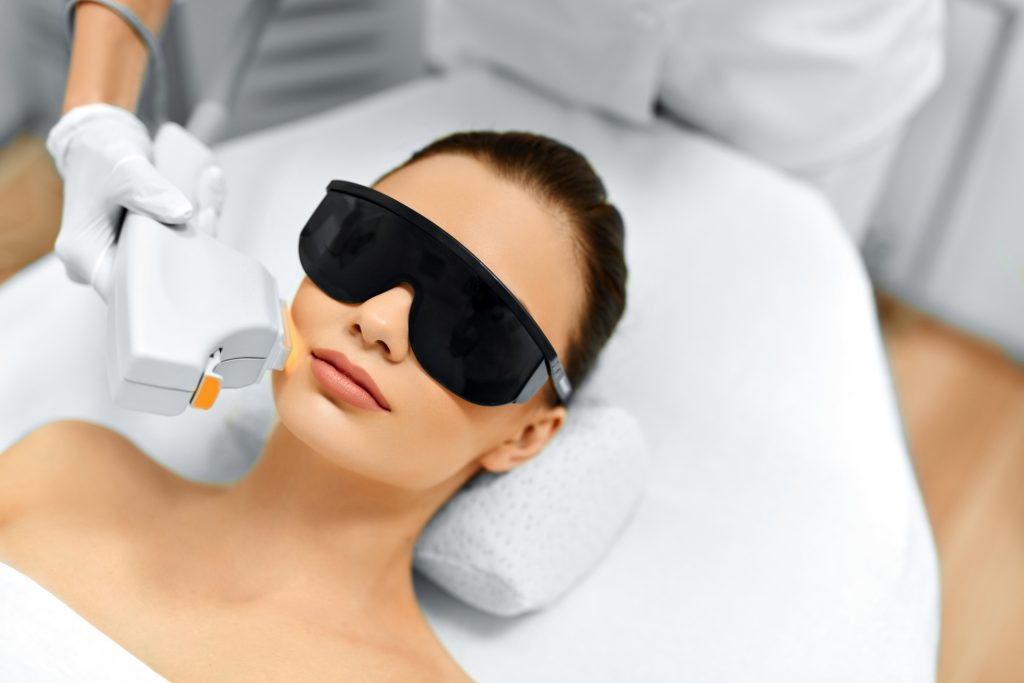
IPL Photo Rejuvenation is a completely safe, comfortable, non-invasive procedure that uses intense pulses of light to penetrate deep into the skin. These light pulses (like a camera flash) cause collagen and blood vessels below the epidermis (the top layer of skin) to constrict. The light waves are passed through either hemoglobin (red blood cells) or melanin (pigmented cells) in the skin breaking down the cells, which are then reabsorbed into the body, reducing discoloration. In addition to evening out the complexion, the heat directed into the inner layers of skin also stimulates the production of more collagen, which is an effective way to improve skin’s texture and diminish the appearance of fine lines and wrinkles.
This treatment helps to improve many skin irregularities, including:
Dark spots
Uneven skin tone
Enlarged pores
Sun damage
Reddening
Broken blood vessels
Fine lines
Minor scars – like chickenpox or acne scarring
Rosacea (effective in improving symptoms for some patients)
IPL Photo Rejuvenation can be used on the face as well as the hands, chest, and neck.
Jeuveau (pronounced Jū vō) is a new way of tackling frown lines between the eyebrows that tell the stories of your years of smiling, squinting, concentrating, and yes, even frowning. The story of our lives may be written on our faces in the form of fine lines and wrinkles, but it doesn’t have to stay that way thanks to Jeuveau. If you’re ready to look and feel your very best, it’s time to sit down for a consultation with one of our knowledgeable dermatology professionals. Our teams are dedicated to offering the latest and most effective treatment options for any dermatological need to ensure your skin’s health and vitality for life.
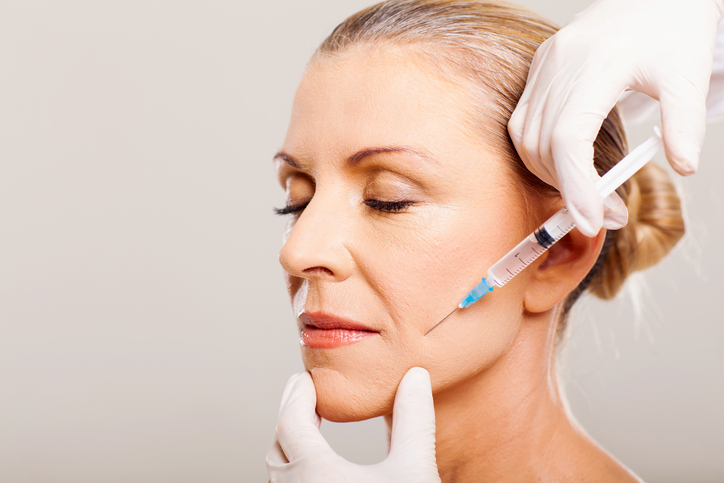
Juvederm is a group of injectable dermal filler gels made from hyaluronic acid and used to correct for moderate to severe facial wrinkles and folds or to provide contour. Different types of Juvederm are:
Juvederm Voluma XC – designed to add volume to the cheeks
Juvederm Volbella XC – used to smooth lines and wrinkles around the mouth
Juvederm Vollure XC – softens moderate to severe facial lines and wrinkles around the nose and mouth
Juvederm Ultra XC – created to add volume to the lips
Juvederm Ultra Plus XC – used for adding volume to the lips and face
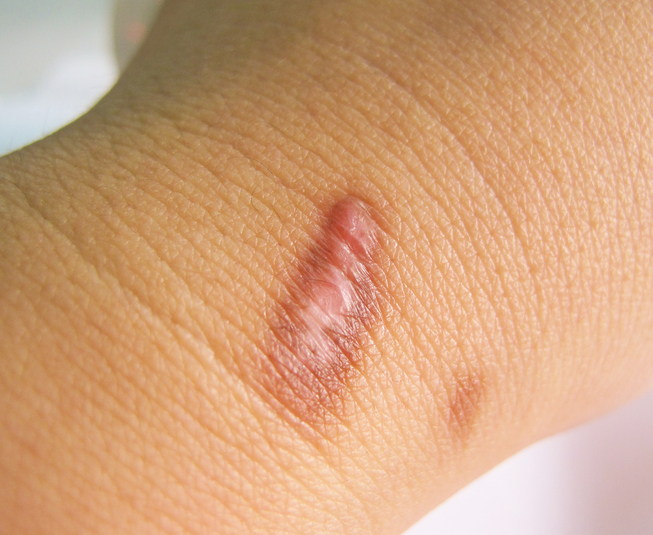
Keloids are raised, red scars created by excessive healing of skin wounds, such as burns, cuts and acne. They are the result of an overproduction of collagen as the skin tries to repair itself. Keloids also can occur after piercings, tattoos or surgery and often times are itchy and painful. They can grow for years and sometimes show up three months or longer after the injury occurred.
Keloid are caused by an overproduction of collagen as the skin tries to repair itself.
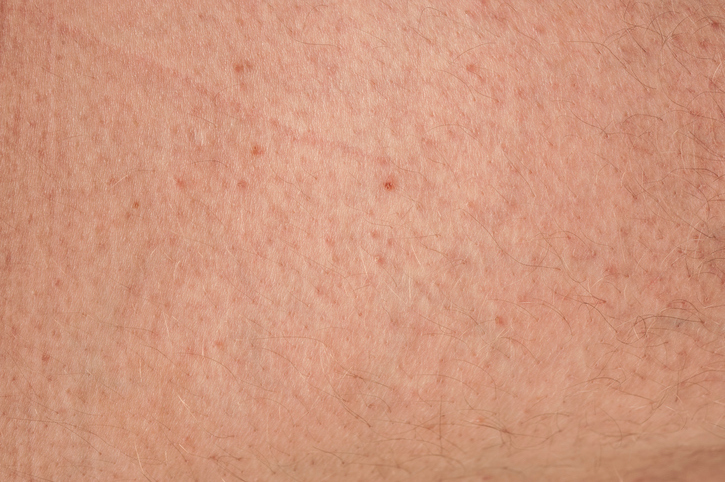
Keratosis pilaris is a common skin condition characterized by small, hard bumps that may make your skin feel like sandpaper. Most often they appear on your upper arms, thighs and buttocks, and sometimes are accompanied by redness or swelling. In some cases they may appear on your face.
It is caused by a buildup of keratin, a protein that protects skin from infections. When a buildup forms, it blocks the opening of a hair follicle and creates the bumps, but doctors don’t know what triggers the buildup.
Keratosis pilaris, a condition where keratin overproduction causes clogged pores, can lead to red bumps and irritation on the skin.
Kybella is an injected treatment that targets fat stores below the chin (double chin). It is one of the best available, non-surgical treatments for double chin, and the knowledgeable dermatologists at U.S. Dermatology Partners are proud to offer this minimally invasive cosmetic dermatology option for our patients who are interested in improving the appearance of their jaw and facial structure without undergoing unnecessarily invasive surgical interventions. If you’re interested in learning more about Kybella, please take a few moments to fill out our appointment request form to schedule a consultation. One of our team members at the office nearest you will be in touch to discuss the details of your visit.
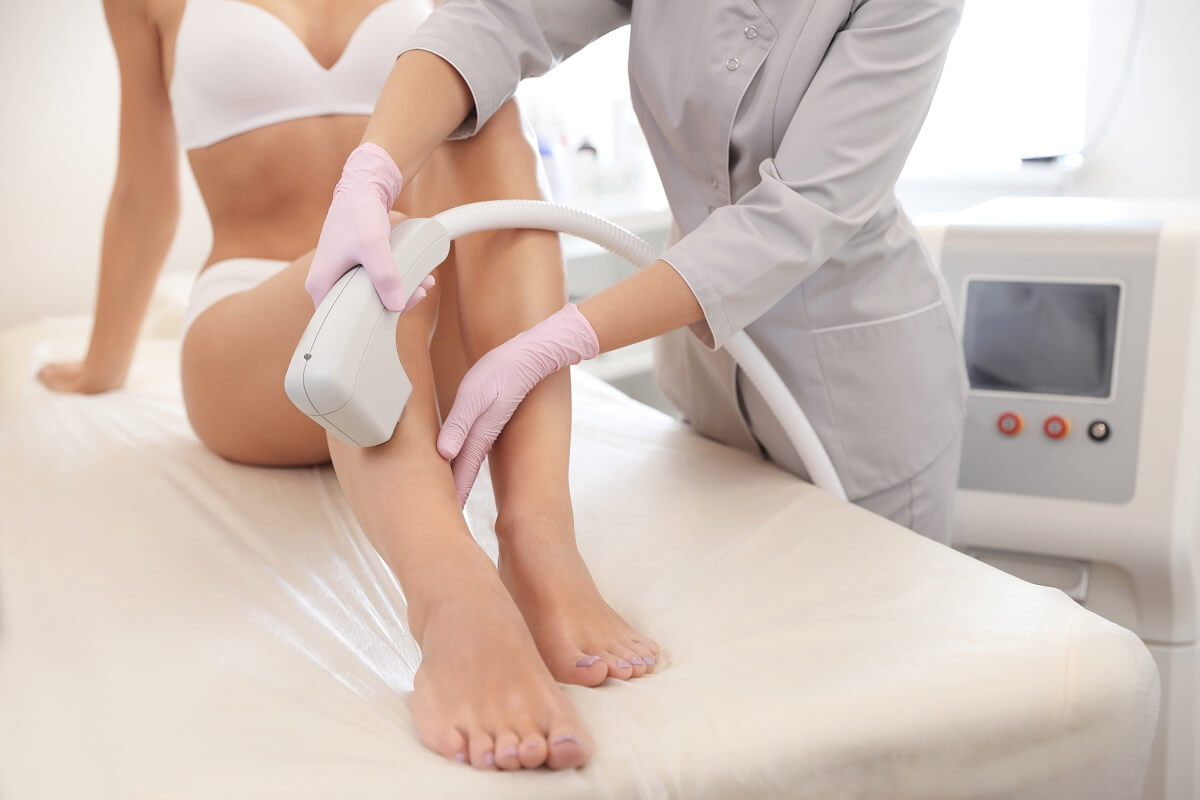
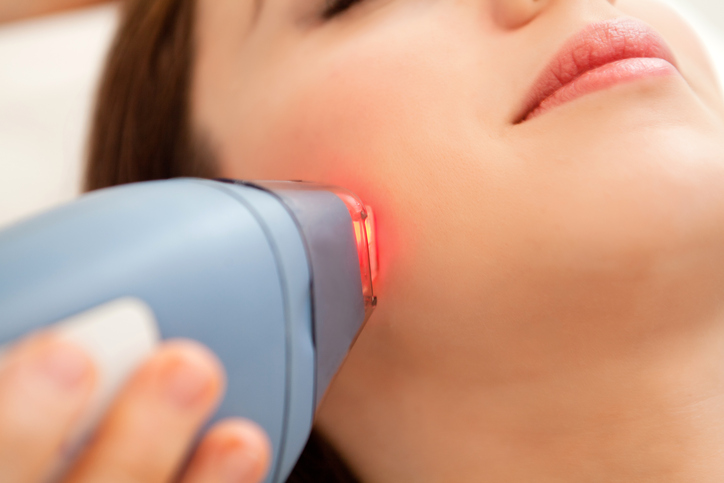
Laser hair removal is a medical procedure that uses laser technology to remove unwanted hair. U.S. Dermatology offers high-quality laser hair removal treatment all throughout the USA, click here to see which locations are near you.
Laser rosacea therapy is a way to treat a rosacea complexion. One of the most common and effective treatments is the pulsed dye laser (PDL), which targets visible blood vessels and can reduce redness and flushing by destroying the lining of the inflamed blood vessels.
Rosacea on facial skin is treatable with laser rosacea therapy.
Laser skin resurfacing is a treatment used to reduce facial wrinkles and skin conditions including acne, scars, warts, enlarged glands on the nose and more.
The process vaporizes the upper layers of skin, which creates a wound that encourages the body to produce new collagen. The collagen and elastic fibers tighten as they heal, and the tightened skin eliminates wrinkles as it pulls together.
Laser skin resurfacing reduces facial wrinkles and treats skin conditions.
Laser treatments work by using specific wavelengths of light to interact with tissue, which can positively affect pigment, blood vessels, hair follicles and moisture in the skin. The result is improved skin tone and texture, as well as the tightening of loose skin.
Lasers can also be tuned to very specific frequencies to perform different tasks and can even be used in surgery to allow doctors to work on a very precise area with less pain, swelling and scarring than traditional surgery.
Cosmetically, lasers can be used for skin resurfacing and to treat such things as acne, wrinkles, rosacea and more.
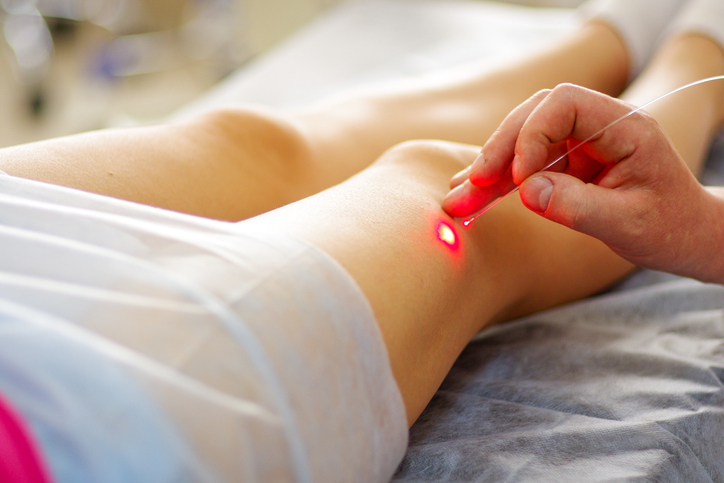
Laser vein reduction uses light focused on a specific area to break up broken blood vessels. This allows them to be absorbed back into the body. It is most often used for eliminating spider veins.
Vein laser treatment breaks up broken blood vessels.
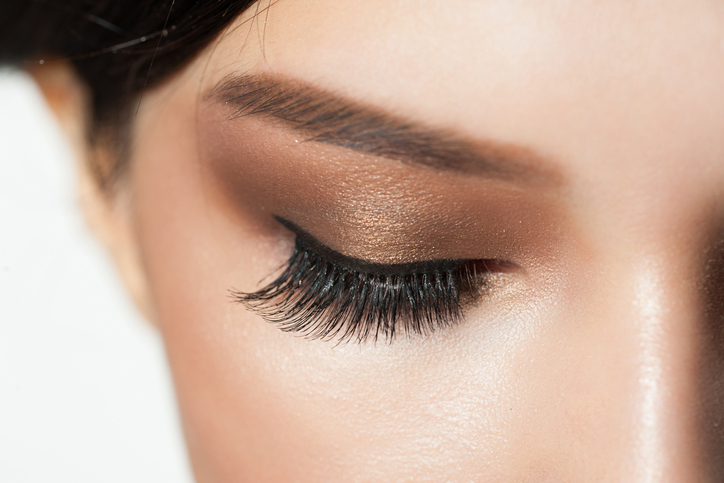
Latisse is a product designed to help grow eyelashes and has been on the market since earning FDA approval in December 2008. It is designed to help grow longer, lusher eyelashes and is available only by prescription.
Latisse eyelash enhancement helps eyelashes to grow longer and lusher.
Revolutionary Microneedling Solution for Improved Skin Health & Vitality
Microneedling has quickly become one of the most popular cosmetic dermatology solutions available at U.S. Dermatology Partners, and as this innovative treatment continues to evolve, our dermatologists are dedicated to investing in and utilizing the most innovative and effective microneedling devices and systems. MicroPen EVO by Eclipse is one of the most impressive new microneedling technologies on the market, and we’re proud to utilize this device in many of our dermatology practice locations. You can learn more about MicroPen EVO by Eclipse treatment at U.S. Dermatology Partners on this page or by reaching out to schedule a consultation with one of our knowledgeable dermatologists.
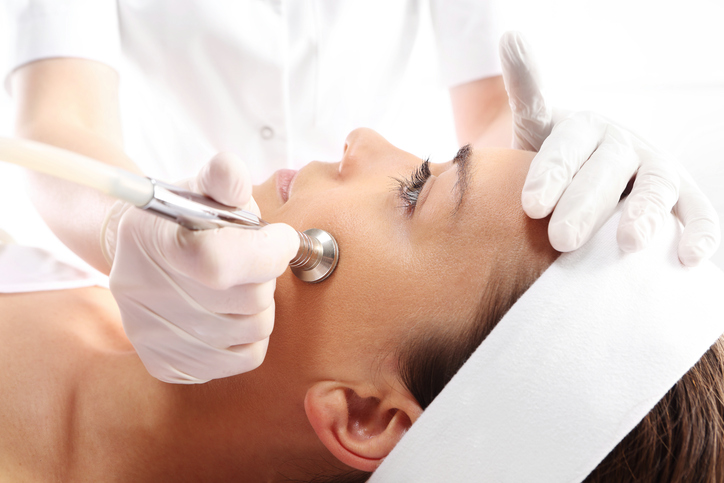
Microdermabrasion is a treatment that can help improve the appearance of facial skin. It is used for reducing wrinkles and treating a variety of conditions including acne, scars, warts, enlarged glands on the nose and more.
Microdermabrasion improves the texture and appearance, along with creating better circulation and lymph flow.
What are the Benefits and Side Effects of Microneedling?
We all want our skin to be smooth, flawless, and firm, but aging, sun exposure, acne, chronic skin conditions, and other issues can lead to rough, uneven skin tone and texture. Many people think that invasive cosmetic procedures or surgeries are the only options to improve the skin, but microneedling offers a minimally invasive solution to promote collagen production and healthy skin growth for a smoother and more youthful appearance. At U.S. Dermatology Partners, our dermatologists offer microneedling to help individuals look and feel their best without the need for more invasive procedures. When you’re ready to get started, contact the U.S. Dermatology Partners location near you to schedule your cosmetic dermatology consultation. We look forward to hearing from you.
Over the years, dermatologists have worked to create personalized cosmetic dermatology plans, and in many cases, that included combining common treatments. One of the most often recommended combinations was for patients to combine microdermabrasion and chemical peels to receive the optimal results from both procedures. In time, this combination of treatments has become its own unique cosmetic dermatology service called a micropeel. To learn more about micropeel treatment from U.S. Dermatology Partners, keep reading the page below or complete our simple online request form to schedule a consultation with one of our knowledgeable cosmetic dermatologists.
With the majority of today’s population being made up of highly educated, health conscience, and appearance-driven consumers who lead extremely hectic lifestyles, alternatives to the conventional facelift are becoming increasingly popular. Probably the most preferred over all non-invasive surgical procedures is the mini neck lift also known as tumescent liposuction of the chin, cheek, and jowls with platysma muscle plication.
This procedure is particularly appealing to patients because there is minimal downtime, fewer risks of disfiguring scars, and elimination of dangers with systemic anesthesia. The procedure is also more affordable and allows for more flexible scheduling.
For a majority of men and women, one of the first signs of aging begins under the chin, where gravity begins to take its toll by pulling everything downward. Loss of skin elasticity, along with subcutaneous fat in the submental chin and jowl area, is the leading cause for this sign of wisdom and maturity. The fatty deposits in this area are unresponsive to diet and exercise, leaving liposuction as the only means for improvement.
For some, excessively wrinkled or redundant neck skin may be the only source of concern, in which case liposuction would be unresponsive. However, other alternative procedures such as SafeLift facelifts are available to accommodate for these conditions.
One of the first signs of aging begins under the chin, where gravity begins to take its toll by pulling everything downward.
Platelet-rich plasma therapy, or PRP, is a non-surgical method of skin rejuvenation that uses your own blood to improve the appearance of facial tissue.
Recent research has shown that PRP is also effective at treating alopecia.
ProFractional therapy uses a laser to create small, microspherical holes in the surface of your skin to “aerate” or thicken your tissue and stimulate natural collagen growth. It is similar to the Fraxel treatment and is used for treating lines and wrinkles, loose skin, scars and depleted collagen.
ProFractional therapy uses a laser to create small, microspherical holes in the surface of your skin to “aerate” or thicken your tissue and stimulate natural collagen growth.
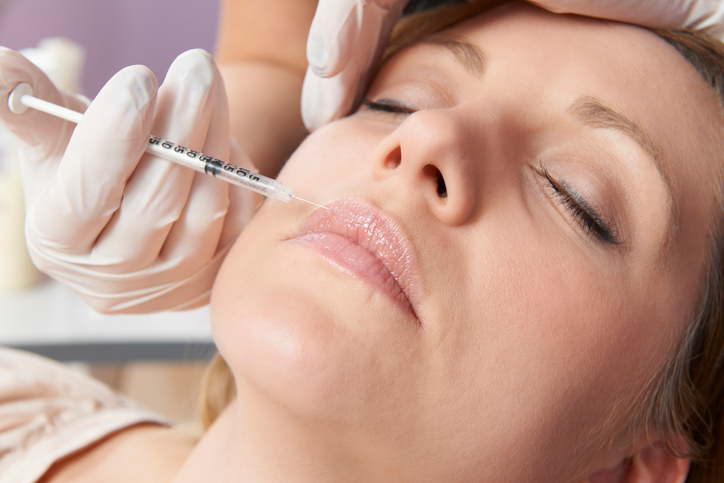
Restylane is an injectable dermal filler gel made from hyaluronic acid to produce volume and fullness in the skin. This reduces the appearance of wrinkles and can also create fullness in the lips.
Restylane – this is the original Restylane product. This versatile dermal filler can be used to add volume to any pits and grooves in the skin. The original Restylane product is recommended for improving the appearance of nasolabial folds, the deep grooves and wrinkles around the nose. It can also be used for lip enhancement.
Restylane Silk – this innovative hyaluronic acid filler material is specially formulated to address fine lines around the mouth as well as creating smoother, plumper lips. It is the first FDA approved product specifically designed to help you achieve the perfect pout.
Restylane Lyft – as we age, natural fat cells are depleted, and the production of collagen and elastin slows. This leads to loose skin, wrinkles, and volume loss in the hands and face. Restylane Lyft is designed to replace volume and firmness in both the hands and the cheeks.
Restylane Refyne – this is the ideal dermal filler to improve the appearance of mild to moderate laugh lines, including the nasolabial folds that appear from the nose to the corner of the mouth and marionette lines that form from the corner of the mouth to the chin. Restylane Refyne provides support for the skin, creating a smooth appearance while allowing you to maintain all of your facial expression.
Restalyne helps smooth away wrinkles and fine lines.
Laser skin treatments have increased in popularity over the last several decades, and improvements in technology have transformed what they’re able to do. The ResurFX laser from Lumenis is an innovative, non-ablative laser that improves the tone and texture of skin with just one pass. On this page, you can learn more about this laser treatment solution.
There are numerous types of laser treatments available. Each laser is designed differently to offer a variety of treatment options and results. Ablative lasers work by removing the outer layers of skin and heating cells within the deeper layers to stimulate skin healing and collagen and elastin production for smoother skin tone and texture. Non-ablative lasers work primarily on the deeper layers of skin, so they promote cell turnover, stimulate collagen and elastin production, and jump-start healing processes to deliver an even tone and texture with less irritation and skin sensitivity. Additionally, ResurFX lasers only require one pass, so they are the safest and most effective non-ablative lasers. Using the 1565 nanometer fiber laser, the aesthetic provider creates a customized treatment size, shape, and density from more than 600 combinations. The ResurFX lasers can also be fitted with CoolScan technology that creates a precise, non-sequential scanning pattern for the laser to prevent exposing skin to excessive levels of cumulative heat during treatment. Additionally, each handpiece has a continuous contact cooling system to significantly improve comfort throughout any procedure.
RHA stands for Resilient Hyaluronic Acid. RHA Collection fillers were specifically formulated to treat dynamic fine lines, wrinkles, and facial folds. In fact, RHA Collection fillers are the only FDA-approved hyaluronic acid fillers for use on dynamic facial wrinkles and folds in the skin. Dynamic wrinkles and folds develop on areas of the face that move often. This includes areas that move when individuals frown, smile, squint, laugh, and talk. The repetitive movement leads to wrinkles and creases in the skin over time. This includes those movements that are intentional, as well as the unconscious micro-movements that take place without us noticing. Many dermal fillers and neurotoxin injections, which are often recommended to address fine lines and wrinkles, may not be the best option to address dynamic wrinkles and folds in the skin. While these areas need to move as we express ourselves, other treatment options can leave them looking stiff or frozen. The RHA Collection is designed specifically to adapt to natural facial movements, allowing you to fully express yourself in the moment without lingering wrinkles and fine lines afterward. Treatment with RHA Collection fillers offers more natural results when the face is at rest, as well as in motion.
Understanding Scar Development & How to Address These Skin Flaws
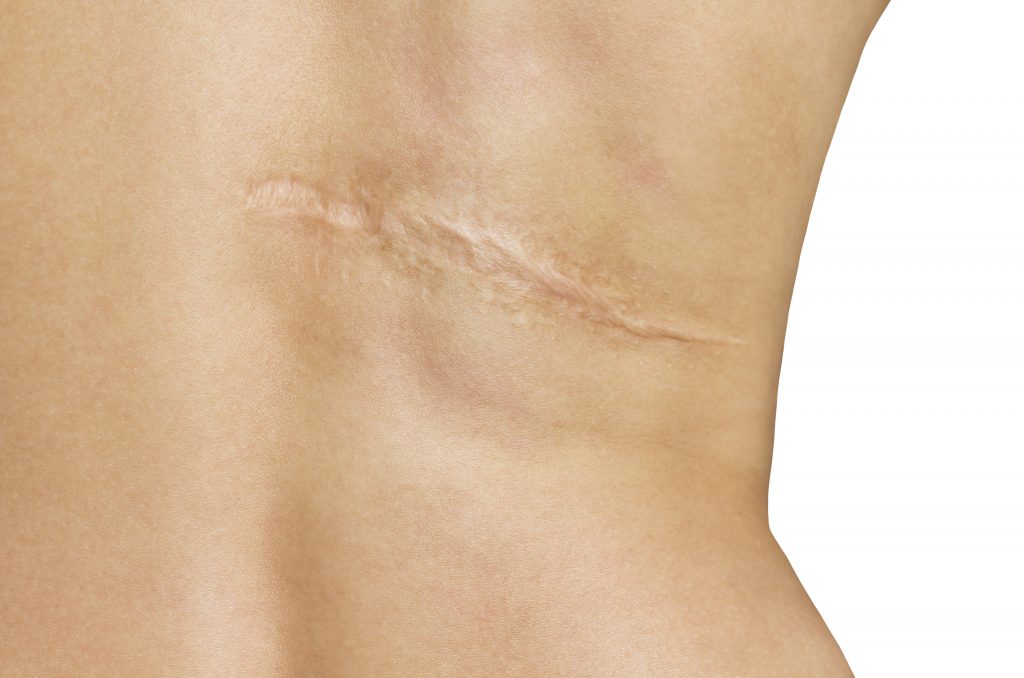
We all want healthy, beautiful skin. But scars, a natural part of the healing process, leave a lasting mark and cause some people to struggle with the negative impact on the appearance of their skin and in some cases, limitations in function or other concerns. If you’re unhappy with the appearance, texture, or health of your skin after an injury, surgery, or other damage that leads to scarring, the U.S. Dermatology Partners team can offer treatment to improve the appearance of scarring.
Sculptra is an FDA-approved synthetic injectable used to correct shallow to deep facial wrinkles and folds. It is also a collagen stimulator that helps revitalize your body’s own collagen production.
Skin lightening is a process used for people who want to lighten certain areas of skin that are affected by such things as melasma, age spots or even freckles.
Skin lightening can help provide a smooth, even skin tone.
Microneedling for Facial Scarring, Acne Scars, Fine Lines, Wrinkles & More
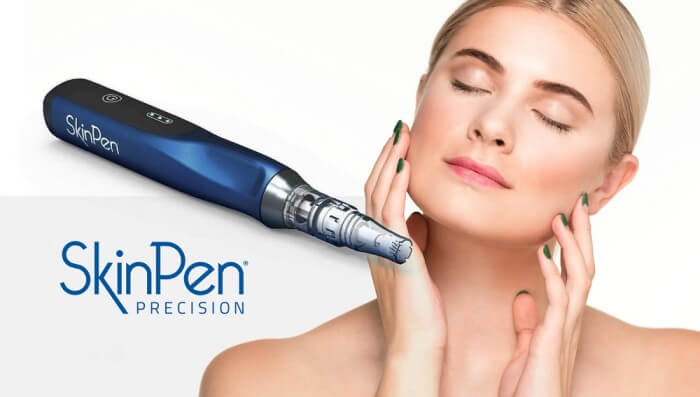
Microneedling is a cosmetic dermatology solution that harnesses the body’s innate ability for healing to improve the appearance of scarring (including acne scars), fine lines, and wrinkles by jump-starting the body’s self-repair process and triggering elastin and collagen production for more youthful, elastic skin. SkinPen is an innovative microneedling device that is the first to be cleared by the U.S. Food and Drug Administration (FDA) to improve the appearance of facial scars and wrinkles. You can learn more about SkinPen on this page or by contacting the U.S. Dermatology Partners location near your home or office to schedule a consultation visit.
One of the most common concerns patients express about aging is increased skin laxity, particularly along the lower face and neck. While surgical facelifts remain the gold standard for addressing significant laxity, a variety of less invasive options may be more appropriate for select patients seeking subtle yet meaningful improvement with minimal downtime. Sofwave is one of the leading non-invasive skin tightening procedures available, and we’re proud to offer this solution to U.S. Dermatology Partners patients. Keep reading to learn more about this innovative treatment option.
The Spectra Laser Peel, also known as the Hollywood Peel, is designed to improve uneven pigment as well as reduce the appearance of irregularities in your skin’s texture and minimize fine lines. It can also help combat acne.
Spectra Laser Peel can improve uneven pigment, reduce the appearance of irregularities in your skin’s texture, and minimize fine lines.
Spider veins are blood vessels that are visibly enlarged and can be seen on the face as well as other areas of the body, most commonly the legs. They may also be called broken blood vessels or thread veins, and appear as hairline marks that can be red, bluish or purple. They most often appear on the nose, chin or cheeks.
Broken blood vessels occur when the skin has been damaged. They are often caused by falls or accidents that caused bruising, or by scrubbing the face too vigorously. However, spider veins also can be caused by such factors as aging, pregnancy, estrogen replacement therapy, sun damage and rosacea. In the legs, they may be caused or worsened by standing or sitting for long periods of time, obesity and constipation.
Tattoo removal is a way to remove unwanted tattoos using lasers to break down the ink particles in the design. The broken-down ink is then flushed out by the immune system, and it mimics the natural fading that would have happened over time or with exposure to the sun. Since no tattoo removal is guaranteed, it is important to speak with a professional to get an honest evaluation of what your final results will look like.
Tattoo removal will take more than one visit, depending on the size and color of your tattoo. It may take as few as two visits, or it may take 10 or more.
Thermage FLX is the state-of-art, fourth-generation system for non-invasive skin tightening from Solta Medical, a global leader in the aesthetic industry in laser and energy-based devices. Thermage FLX optimizes the use of radiofrequency energy to induce skin tightening and new collagen formation. Compared to previous generations of Thermage as well as many other tightening devices on the market, Thermage FLX provides better results and more comfort during treatment with its innovative system of energy delivery and comfort pulse technology.
ThermiRF is a new technology that uses radiofrequency energy to treat tissue below the skin, rather than addressing the problems on the surface of the skin. The procedure stimulates collagen growth over time, so its effects might not be seen immediately. It is used for contouring, treating wrinkles and sagging skin, as well as being used to reduce vaginal laxity. It can also be used to reduce sweating in underarms.
ThermiRF is used for contouring, and treating wrinkles and sagging skin.
Everyone wants to see bright, open eyes when they look in the mirror, but for many adults, drooping eyelids negatively impact their appearance and leave them looking and feeling less than their best. In the past, only invasive surgical interventions could help to improve the appearance of sagging eyelids. Enter Upneeq prescription eye drops. With daily use, Upneeq eye drops lift the upper eyelid, giving patients a more lifted, smooth, and youthful look. U.S. Dermatology Partners is proud to offer Upneeq eye drops for patients looking for an alternative to eyelid surgery. You can learn more on this page or by using our online form to schedule a consultation visit.
VBeam Laser is a pulsed dye laser treatment that treats skin issues related to blood vessels. Whether you have rosacea, spider veins, or port-wine stains, a Vbeam laser is a great treatment option. The Vbeam laser treats anything that’s the color red. By zeroing in on the small inflamed or broken vessels in your skin, Vbeam laser treatments will help you have more even skin color. It has been FDA-approved and used to treat these conditions for more than 20 years.
Chemical peels are a popular cosmetic dermatology solution to improve skin texture, tone, and appearance. There are numerous types of chemical peels available, but the unique formulation of the VI Peel treatment system provides exceptional results to improve the appearance, health, and vitality of the skin. You can learn more on this page or by getting in contact with the skilled dermatologists at U.S. Dermatology Partners for a consultation visit.
Vivace is an innovative new cosmetic dermatology solution that combines microneedling with state-of-the-art radiofrequency technology to deliver exceptional results in helping maintain skin that looks smooth and youthful. If you’re interested in learning about how Vivace reduces the appearance of fine lines and wrinkles, you’ll find some of the basic details about the Vivace treatment process on this page. When you’re ready to experience premier dermatology services with the U.S. Dermatology Partners team, you can get started today by filling out our online appointment request. We have numerous dermatology practices across Arizona, Colorado, Kansas, Maryland, Missouri, Oklahoma, Texas, and Virginia.
Whatever our age or skin type, we all want the same thing – to keep our skin looking youthful and flawless as long as possible. Despite our best efforts, wrinkles and fine lines will still develop over time. Traditional methods of minimizing the appearance of fine lines and wrinkles can be uncomfortable or ineffective, but Vivace is a quick, minimally invasive solution that effectively reduces fine lines and wrinkles, allowing you to age gracefully and look and feel your best at any age.
The Vivace treatment process combines these four effective treatments to deliver exceptional results:
Microneedling is a cosmetic dermatology treatment that harnesses the skin’s healing powers to restore a more youthful appearance. The procedure involves using a small gauge needle to create microscopic injuries to the skin. These micro-injuries jump-start the healing process, causing the skin to produce more collagen and promote faster cell turnover.
Radiofrequency technology uses heat to stimulate the production of collagen in deeper layers of skin. This means that, as the surface-level skin cells are replaced with new, healthy cells, patients will maintain a smooth, youthful appearance longer.
Cooling peptide masks – applied immediately following treatment to soothe skin, prevent inflammation, and improve the results of treatment.
Deep moisturizing serum & protective balm – before you leave, a soothing serum is applied and will need to remain on the skin for at least six hours to protect the treatment area and further improve the results.