Courtney Scamardo, MPAS, PA‑C


Physician Assistant-Certified
Courtney Scamardo is a certified physician assistant in Austin, Texas at U.S. Dermatology Partners. She is now accepting patients!
LOCATION SERVICES INSURANCE REVIEWS
Accepting New Patients


Courtney Scamardo, PA-C, grew up in Navasota, Texas, where she was introduced to medicine by her father, a small-town internal medicine doctor. After graduating on the Dean’s List from McComb’s Business School at the University of Texas at Austin with a BA in Marketing, she decided the medical world was her true calling. She earned her Master of Physician Assistant Studies degree from the University of Texas Southwestern Medical Center at Dallas in 2014. Courtney has been practicing dermatology in the Austin area for more than 10 years and is excited to return to U.S. Dermatology Partners.

She is currently a member of the Texas Academy of Physician Assistants, the Society of Dermatology Physician Assistants, the American Academy of Physician Assistants, and the Central Texas Physician Assistant Society.  She has been certified by the National Commission on Certification of Physician Assistants and is licensed by the Texas State Board of Physician Assistant Examiners.

Courtney believes the partnership between patient and provider in dermatology sets it apart from many other fields and she enjoys being able to have such a positive effect on people’s lives by treating their skin conditions.

Outside the clinic, Courtney is equal parts sports fanatic, adventurous traveler, and unapologetic foodie. You’ll often find her cheering at live games with friends and family or posted up at home with her husband, their two dogs, Biff Suzanne and Finnigan Tom Petty and their 31-year-old ball python, Rastis.

Specialties and Affiliations
  • Texas Academy of Physician Assistants
  • Society of Dermatology Physician Assistants
  • American Academy of Physician Assistants
  • Central Texas Physician Assistant Society

Clinic Locations

U.S. Dermatology Partners Brodie Lane

9701 Brodie Ln
#106
Austin, TX 78748

(512) 280-3939

Services Offered By Courtney Scamardo, PA-C

What Is Sebaceous Carcinoma?

A rare and aggressive form of skin cancer, sebaceous carcinoma is sometimes referred to as sebaceous gland carcinoma, sebaceous gland adenocarcinoma or meibomian gland carcinoma.

Sebaceous carcinoma can develop in any sebaceous glands, which lubricate the skin, but it most often begins on or around the eyelids. If it is found and treated early, treatment is often successful. However, if sebaceous carcinoma spreads, it can be deadly.

Because sebaceous carcinoma can appear to be a benign growth such as a stye, diagnosis is often delayed, which increases the risk of death. If you notice a growth on your eyelid, it’s important to make an appointment with your dermatologist. The sooner sebaceous carcinoma is diagnosed and treated, the better the outcome.

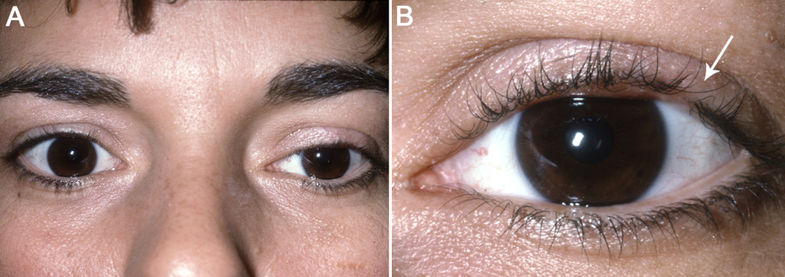
32-year-old cosmetologist presented with 3-month history of treatment for presumed chalazion. A) The left upper eyelid showed 2 mm of ptosis with swelling. B) Focal loss of eye lashes was appreciated (arrow).” (source: “Early Onset of Sebaceous Carcinoma” by Dr. Debashis Ghosh, creative commons license)

What Is Skin Cancer?

Skin cancer is the most common form of cancer in the U.S. with more than 3.5 million cases diagnosed each year.

Skin cancer is the result of uncontrolled growth of abnormal skin cells that takes place when skin cells suffer DNA damage and then mutate, causing them to multiply rapidly and form malignant (cancerous) tumors. Most skin cancers develop on the visible outer layer of the skin (the epidermis), particularly on sun-exposed areas such as the face, head, hands, arms and legs. They are usually easy to detect with a skin examination, which increases the chances of early diagnosis.

There are different types of skin cancer, each named for the type of skin cell from which they originate. The most common type of skin cancer is basal cell carcinoma. Almost one million new cases of basal cell carcinoma are diagnosed each year in the U.S. Most skin cancers fall into one of three categories:

There are often warning signs that cancer is developing. The most common are pre-cancerous lesions called actinic keratoses that often develop on sun-exposed areas. These tumors replace normal surrounding tissue and generally do not spread to other areas.

Skin cancer is considered low risk when the affected cells remain clustered in a single group. Both basal cell carcinoma and squamous cell carcinoma are rarely life-threatening.

Skin cancer is considered a high risk when cells have invaded surrounding tissues. The third most common skin cancer, malignant melanoma, can be life-threatening if not diagnosed and treated early.

If skin cancer is detected before it has spread to surrounding tissues, the chances of a complete recovery and cure are excellent. High-risk forms of cancer like melanoma require more aggressive treatments.

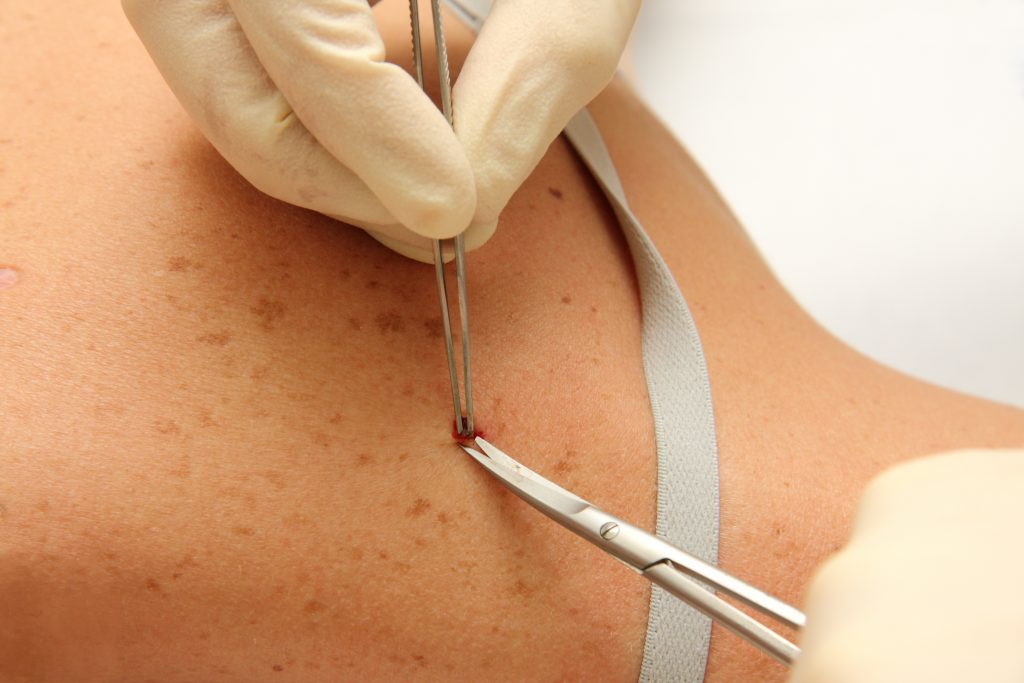
Doctor removing mole from a patient's shoulder.

Suspicious moles should be watched closely, as they might indicate a cancerous growth.

What Is Squamous Cell Carcinoma?

Squamous Cell Carcinoma is a common form of skin cancer that develops in the squamous cells that make up the outer layer of the skin. Although it is usually not life-threatening, it can be aggressive in some cases.

If left untreated, squamous cell carcinoma can grow large or spread to other parts of your body, causing serious complications.

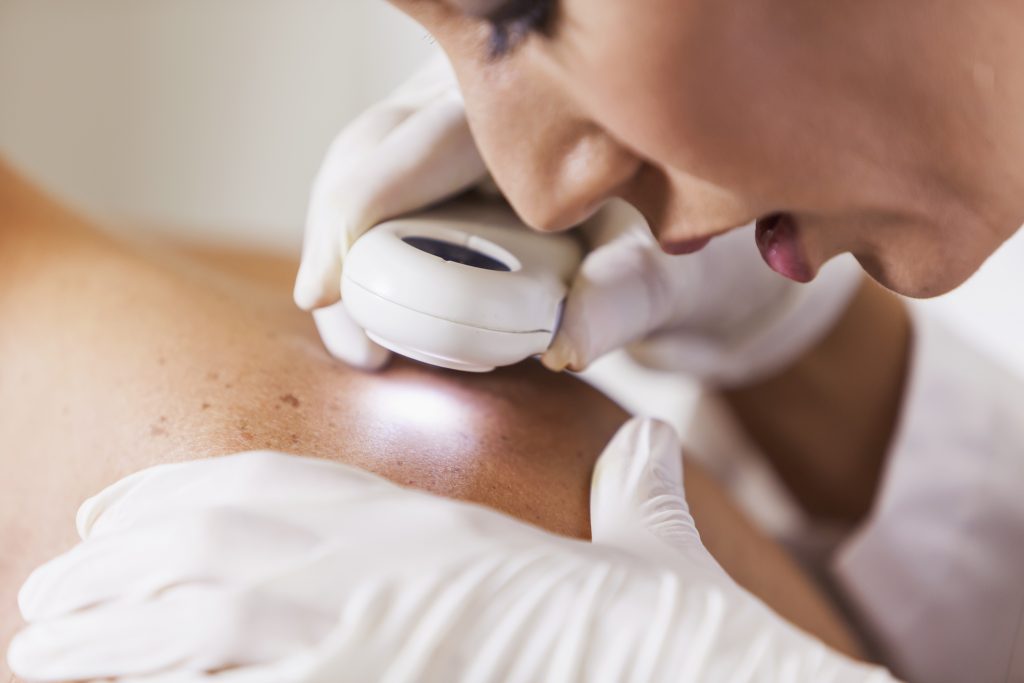
Dermatologist examining male patient's skin for signs of Squamous Cell Carcinoma.

Your dermatologist will be able to examine your skin for signs of squamous cell carcinoma.

Milia (Milium) Symptoms & Causes

Milia is a commonly occurring skin condition that causes small bumps on the skin, and while these bumps may be irritating, the skin condition is harmless. You can learn more about milia, how it’s treated, and when to visit your dermatologist for help managing this skin condition on this page. If you have questions or want to schedule an appointment at U.S. Dermatology Partners, we invite you to take a few moments to complete our simple online request form.

What Are Moles?

Atypical moles, also known as dysplastic nevi, are unusual-looking benign (noncancerous) moles.

A dysplastic mole is one that, when viewed on a cellular level, has features unlike those of a healthy, benign mole. A benign mole will have a regular pattern of coloration and pigment, even borders, symmetry, and a tan or pink color. Dysplastic moles can be asymmetric, have indistinct borders, or contain multiple colors or very dark pigment.

Dysplastic moles are often spotted as the “ugly duckling” on a patient’s skin. Any departure from the typical mole a person’s skin makes may be dysplastic. They can appear anywhere on the body, but in most cases are found on the back, chest, buttocks, breasts, or scalp.

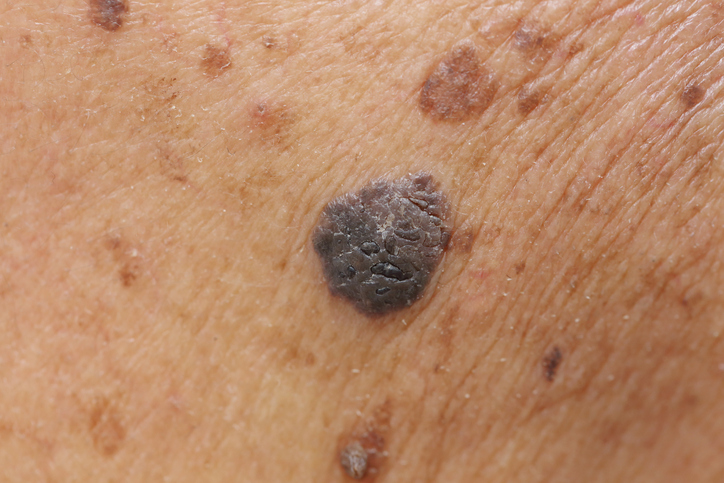
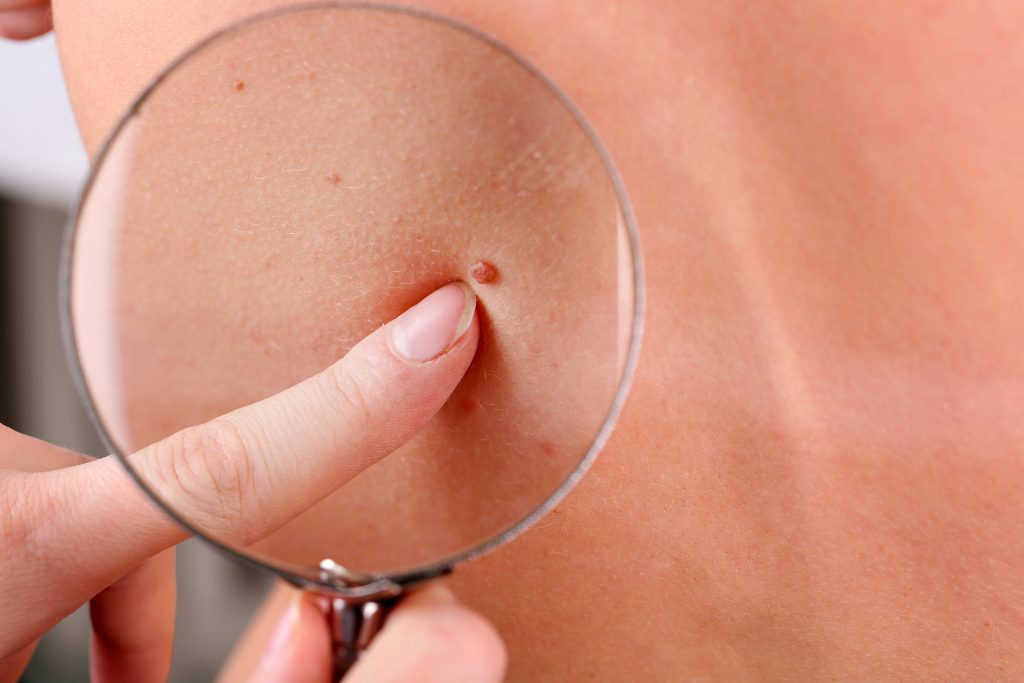
Benign mole on skin

People with atypical moles are at a higher risk of developing melanoma.

What Is Molluscum Contagiosum?

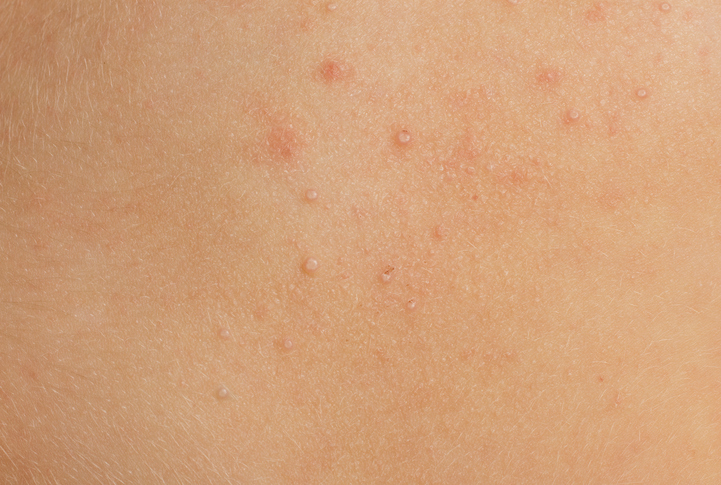
Molluscum contagiosum is a contagious skin disease that appears as pink or flesh-colored bumps on the skin. It is caused by skin-to-skin contact as well as from sharing towels, clothing or touching infected surfaces. It can also be acquired through sexual contact.

For adults, bumps are most often found on the face, neck, armpits, arms and hands. They may also appear on the genitals, abdomen and inner thighs.

Once you are infected with the virus, it can spread to other parts the body, especially if you pick or scratch at the bumps or touch other parts of your skin after touching the bumps. (This is called self-re-infection.)

Molluscum Contagiosum

Molluscum contagiosum is a contagious skin disease that appears as pink or flesh-colored bumps on the skin.

What Is a Nail Fungal Infection?

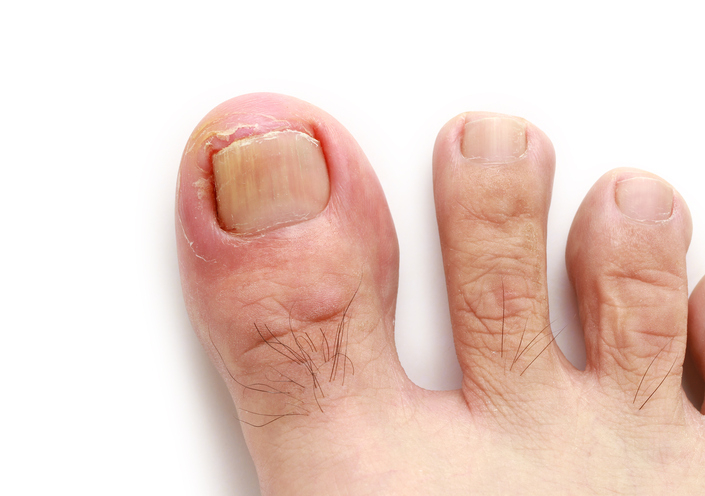
A fungal infection of the toenails or fingernails typically looks like white or yellowed nails that may also be thick and brittle. The infection could affect one nail or part of a nail, or it could affect multiple nails. If left untreated, fungal infections can lead to permanent nail damage.

Fungal infections of the nails lead to white or yellowing nails that can be thick or brittle.

What Is Pediatric Dermatology?

When your child develops a persistent rash or other skin condition, your goal is to find the appropriate treatment as quickly as possible to keep them comfortable and healthy. Pediatric dermatology is designed to meet the special needs of children with such conditions as birthmarks, psoriasis, warts, eczema and other skin disorders.

Pediatric dermatologist examining an infant.

Pediatric dermatologist examining an infant.

Safe and Effective Skin Cancer Treatment

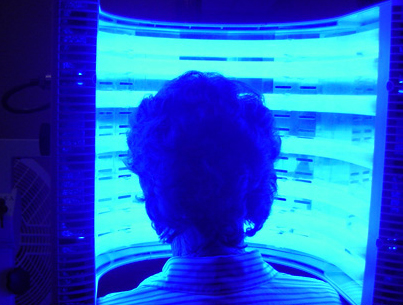
Photodynamic Therapy, often referred to simply as PDT, is a medical treatment that uses photosensitizing agents and light exposure to treat a range of conditions, including skin cancers, acne, and actinic keratosis (“pre-cancers”). You can learn more about photodynamic therapy on this page, and the U.S. Dermatology Partners team would love to hear from you if you’re interested in scheduling a consultation to discuss photodynamic therapy.  Simply use our online request form to schedule a consultation visit at the U.S. Dermatology Partners office closest to you.

Photodynamic Therapy PDT

Image Source: MedicineNet.com

What Is Psoriasis?

Psoriasis is a chronic autoimmune inflammatory condition that causes patches of skin to become red, inflamed, and bumpy. This disease affects more than 8 million people in the U.S.

Psoriasis occurs when the immune system mistakes skin cells for a virus or other infection and responds by producing more skin cell growth. This can be triggered by stress, anxiety, injuries to the skin, infections and hormonal changes.

What Is Ringworm?

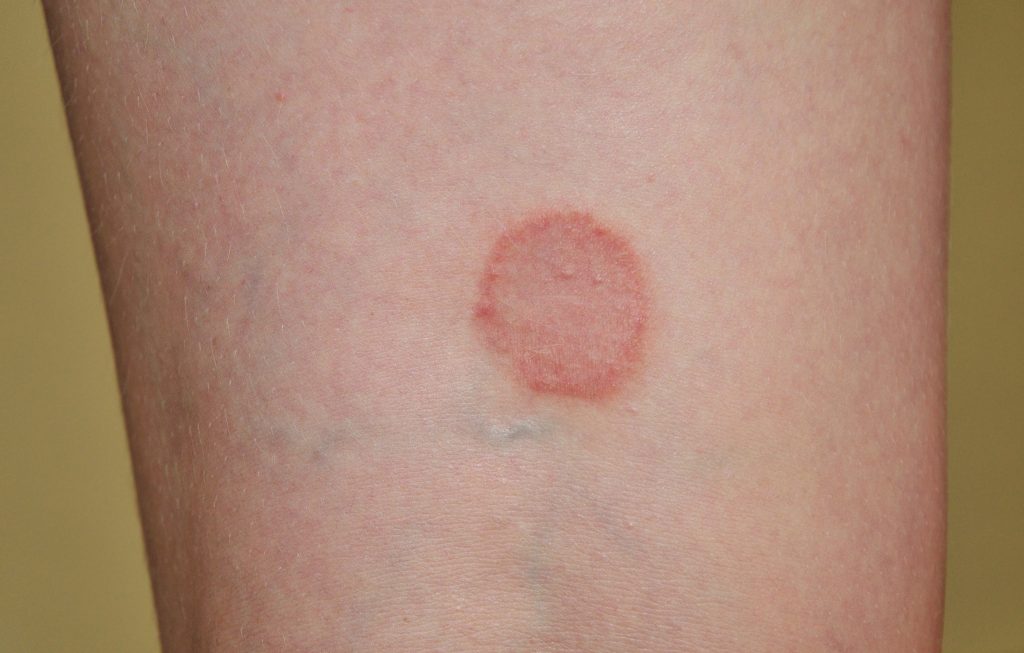
Despite the name, ringworm is not caused by worms; it is a skin infection caused by a fungus. It can be caused by touching another person who has the infection, or by sharing items that the person has been in contact — such as towels, bedding, chairs and clothes. It can also be caught from animals with fungal infections and, rarely, from contact with fungi in the soil.

Ringworm on forearm.

Ringworm has a reddish, circular appearance.

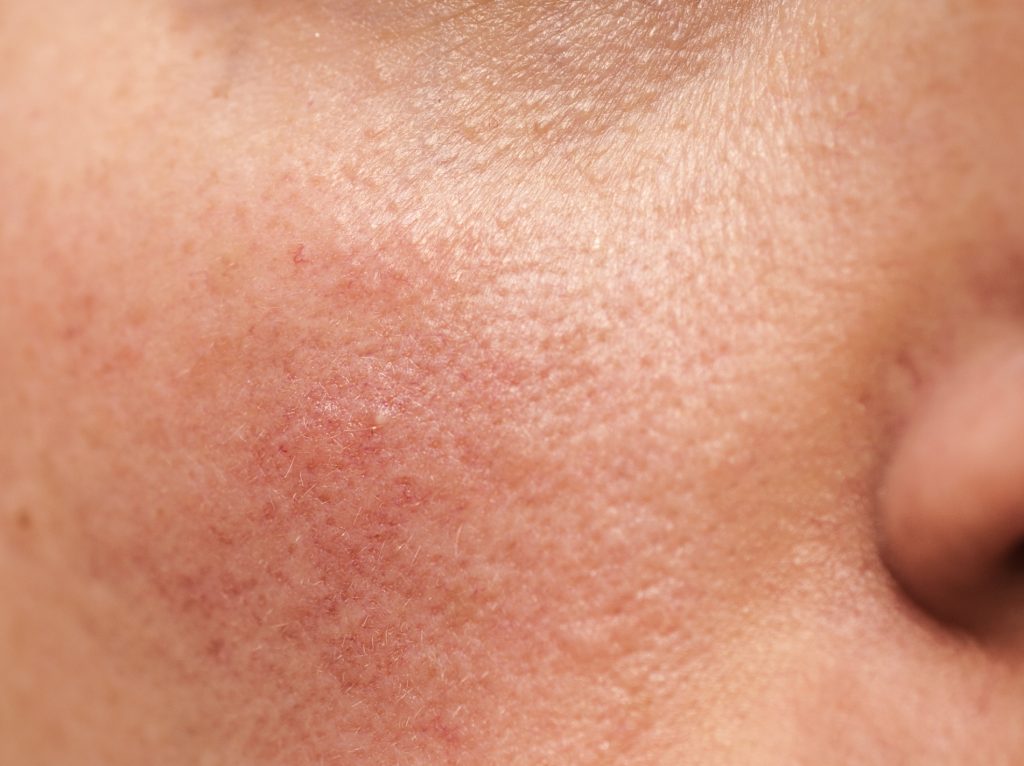
What Is Rosacea?

Rosacea is a fairly common skin condition that causes redness in your face. In some cases, it may also produce small, red, pus-filled bumps. Typically these signs and symptoms may flare up for a period of weeks to months and then diminish for a while.

Rosacea may sometimes be mistaken for acne, an allergic reaction or other skin problems. It is believed to be caused by a combination of hereditary and environmental factors.

Learn more: 4 Types of Rosacea

Rosacea Treatment on facial skin.

Rosacea causes redness on the face.


What Is Sebaceous Hyperplasia?

Sebaceous hyperplasia is a benign bump on the skin that forms as a result of over-productive oil glands. When oil glands are damaged, they can become enlarged and clogged, leading to this condition. It is primarily a cosmetic concern rather than a medical problem.

Sebaceous hyperplasia is a benign bump on the skin that forms as a result of over-productive oil glands

Sebaceous hyperplasia is a benign bump on the skin that forms as a result of over-productive oil glands.

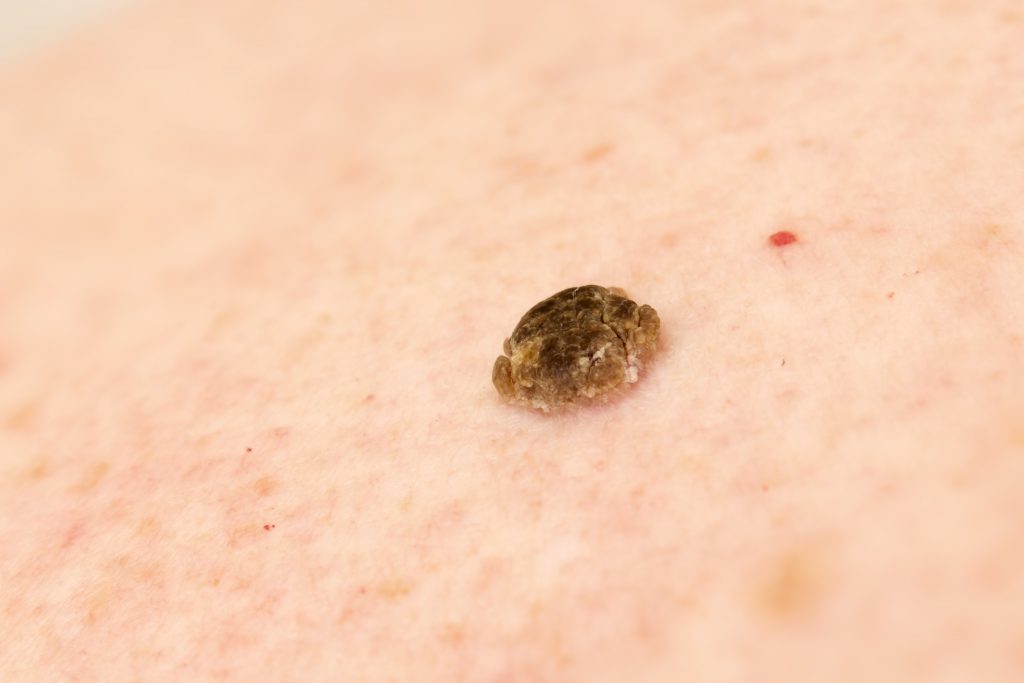
What Is Seborrheic Keratosis?

Seborrheic keratosis is one of the most common noncancerous skin growths found in older adults. It most commonly appears as a brown, black or light tan growth on the face, chest, shoulders or back. Although they are not cancerous, they can look like skin cancer.

Seborrheic keratosis also known as seborrheic verruca or a senile wart.

Seborrheic keratosis is also known as seborrheic verruca or a senile wart.

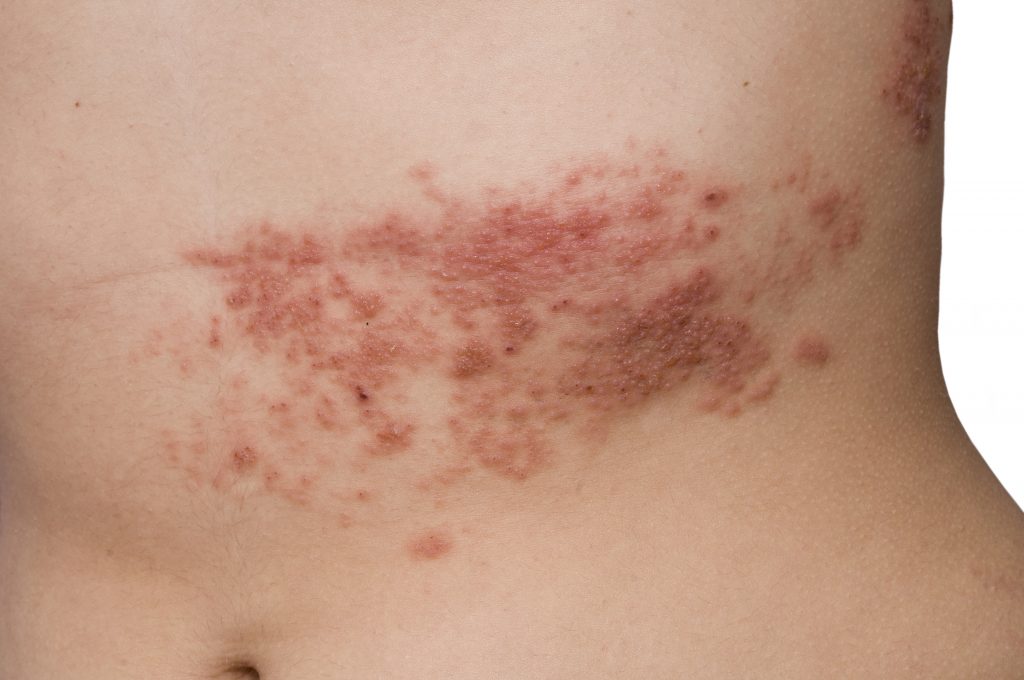
What Are Shingles?

Shingles, also known as herpes zoster, is a painful skin rash that occurs when the virus that causes chickenpox reactivates.

Typically, shingles appears on a small area on one side of the face or body. The rash is often painful because it travels up nerve roots (which supply sensation to your skin) to the area of skin supplied by those specific nerve roots.

Shingles rash on abdomen.

Shingles is a painful skin rash that occurs when the virus that causes chickenpox reactivates.

What Are Skin Tags?

Skin tags are small, soft skin growths that can occur anywhere on the body but are most common on the eyelids, neck, armpits, groin folds and under the breasts. They are harmless but they can be annoying, particularly if they are in an area where they are rubbed on by clothing. They may be flesh-colored, pink or may darken.

Dermatologist examines a skin tags of patient, close up.

Skin tags are small, soft growths that can be skin-colored, pink, or may darken.

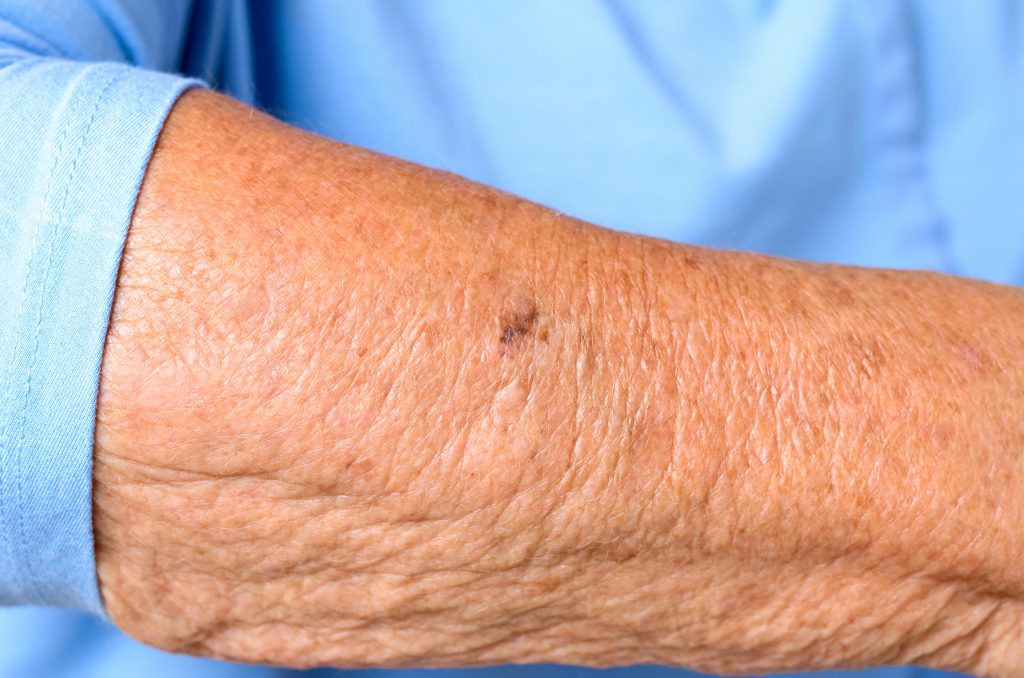
What Is Sun Damage?

The sun can age and burn your skin, and it can also cause damage on the cellular level, leading to skin cancer. The good news is, the U.S. Dermatology Partners team can help you formulate a plan to prevent sun damage and repair the effects of the sun’s UV rays so that you can go out and enjoy a sunny day. Learn more on this page or contact U.S. Dermatology Partners to schedule an appointment with us.

Sunscreen 101

Individuals who are prone to sunburn are thought to be genetically predisposed to skin cancer. Risk is also increased when exposure to UV rays is excessive. Sunscreen helps prevent the damaging effects of ultraviolet radiation, including skin aging and skin cancer like melanoma and squamous cell carcinoma.

Sunscreens are rated and labeled with a sun protection factor (SPF) that measures the fraction of sunburn-producing UV rays that reach the skin. The higher the SPF, the greater the protection.

Sunscreen is a topical product that is used to reflect or absorb some of the ultraviolet rays from the sun.

Sunscreen is a topical product that is used to reflect or absorb some of the ultraviolet rays from the sun.

What Is Vitiligo?

Vitiligo is an autoimmune disease in which white patches of skin appear on different areas of the body. This happens when melanocytes, the cells that make pigment in the skin, are destroyed. In addition to the skin, it can affect the mucous membranes of the mouth and nose as well as the eyes. Its cause is not known.

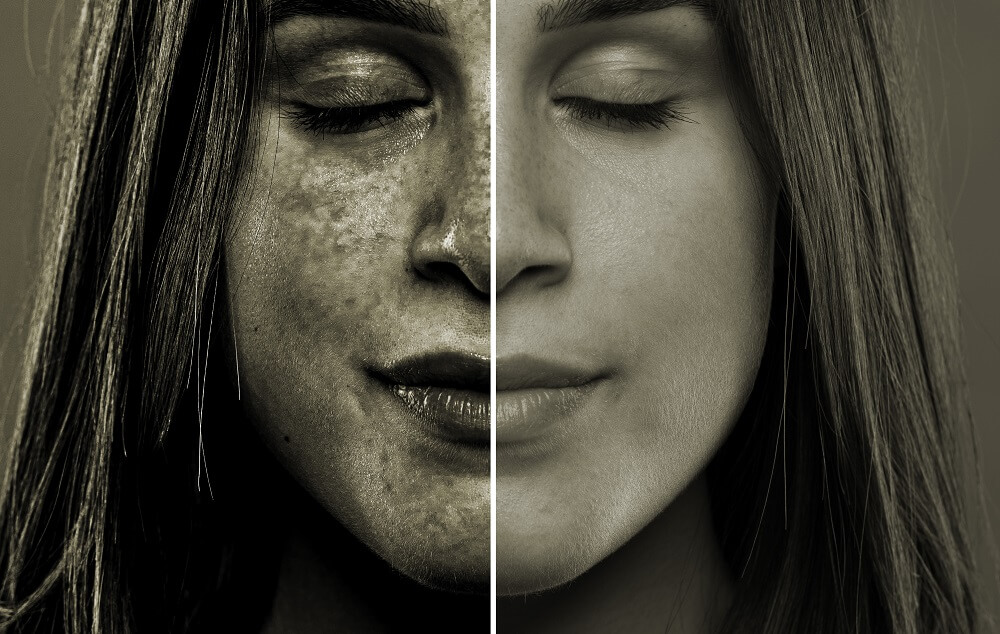
Young woman with vitiligo.

Vitiligo causes white patches on different areas of the body.

What Are Warts?

Warts are benign, non-cancerous growths that appear on the skin as the result of a virus called human papillomavirus, or HPV. They are contagious and are spread by contact – either with the wart or something that touched the wart. Cut or damaged skin is more vulnerable to warts.

Related: How to Identify a Wart

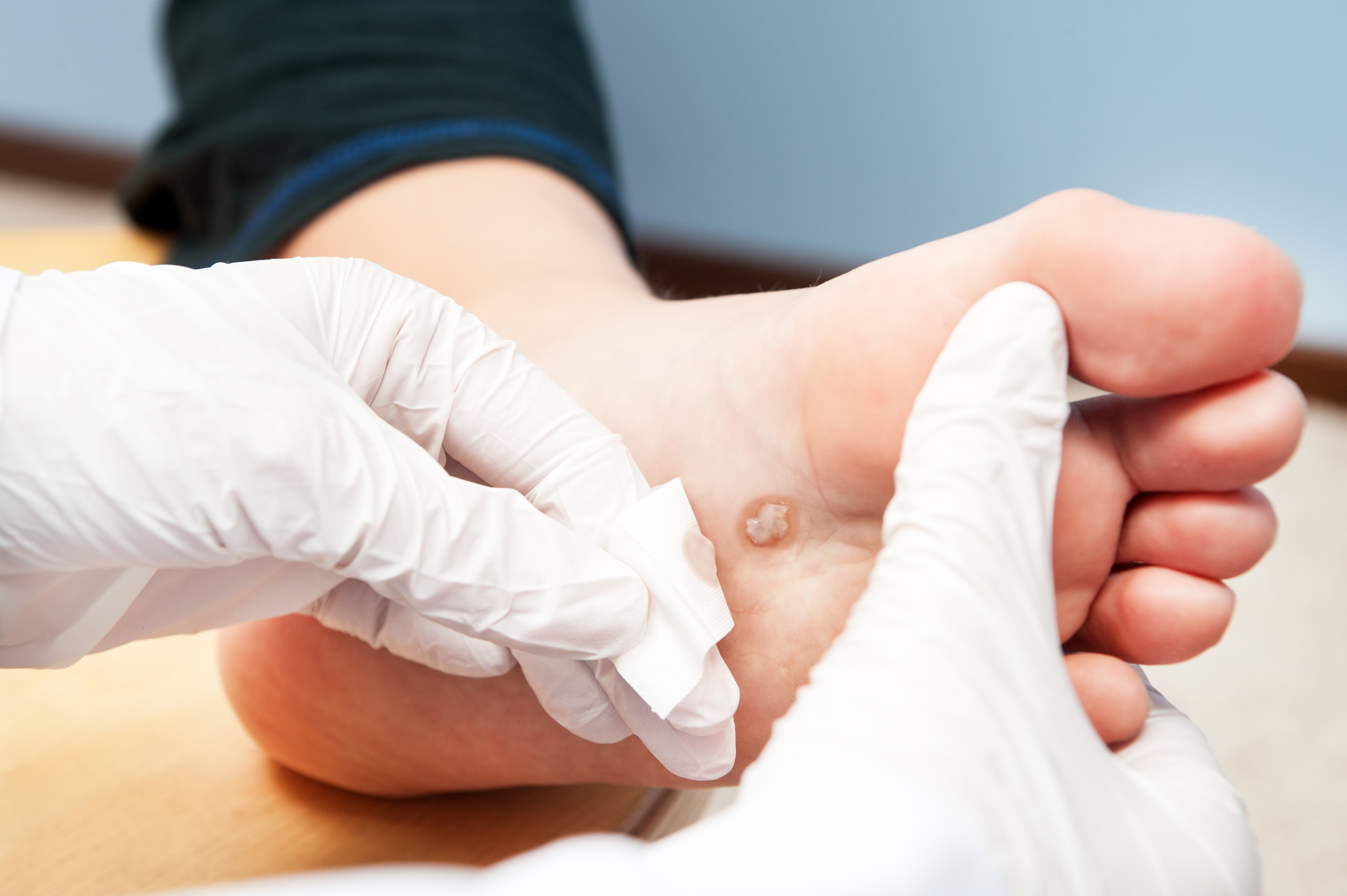
Dermatologist examining a wart on a patient's foot.

Warts are benign, non-cancerous growths that appear on the skin as the result of the human papillomavirus.

An Innovative & Effective Chemical Peel Solution

Chemical peels are a popular cosmetic dermatology solution to improve skin texture, tone, and appearance. There are numerous types of chemical peels available, but the unique formulation of the VI Peel treatment system provides exceptional results to improve the appearance, health, and vitality of the skin. You can learn more on this page or by getting in contact with the skilled dermatologists at U.S. Dermatology Partners for a consultation visit.


Insurance Plans Accepted By Courtney Scamardo, PA-C

Ready to Get Started?

×

How do you prefer to schedule your appointment?

CALL ME