
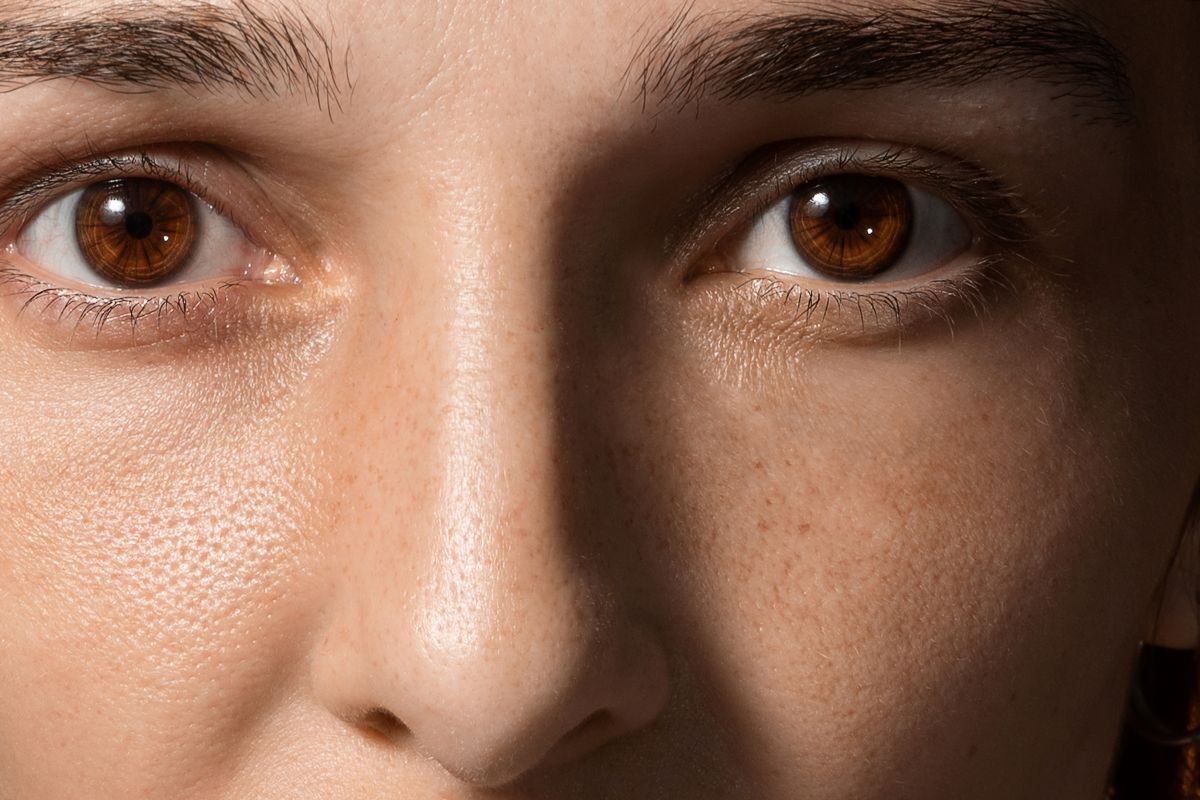
If you’ve noticed thinning eyebrows, you may be experiencing a harmless byproduct of hormonal changes or skin irritation, but it can also be indicative of more serious conditions. According to Dr. Kathryn Celeste Durham of U.S. Dermatology Partners Fort Worth S. Hulen, “Most patients are concerned about the cosmetic impact of eyebrow thinning and loss, which is significant. The eyebrows express emotions and are very noticeable at first glance. While the aesthetic impact of losing eyebrow hair is significant, there are more serious concerns linked to eyebrow thinning. Understanding why eyebrow thinning occurs is important. It ensures hair loss is addressed properly, including treating any underlying conditions that lead to thinning eyebrows.” In this blog, Dr. Durham discusses causes and treatment for thinning eyebrows.
What Is Madarosis (Thinning Eyebrows)?
Madarosis is the clinical term for thinning eyebrows and eyelashes. It can refer to eyebrow hair thinning or complete loss. Madarosis isn’t a diagnosis. Instead, it’s a term that describes a symptom that stems from many underlying causes. Eyebrow thinning doesn’t always look the same. Some notice gradual thinning over weeks, months, or even years. Others experience rapid hair loss related to stress or illness. Patchy hair loss is also possible. Eyebrow thinning can also be symmetrical or asymmetrical. That means it can impact one or both eyebrows. Madarosis may also be accompanied by changes in hair texture, brittleness, itching, or thickening of skin (scaling) around the eyebrows. Dr. Durham says, “Eyebrow hair follicles are embedded in very delicate skin, making them more susceptible to damage from injury, inflammation, and scarring. Hair thinning and loss in the eyebrows may become permanent when not treated, so it’s important to determine the underlying cause and begin treatment as soon as possible.”
Common Causes of Thinning Eyebrows
There are myriad underling causes of thinning eyebrows, and it’s essential to receive an accurate diagnosis before beginning treatment. In many cases, treatment to address hair loss won’t be effective without first treating the cause. Below, Dr. Durham outlines the main causes of thinning eyebrows.
Hormonal and Medical Causes
- Thyroid disorders – the hormones produced by the thyroid are essential in the hair growth cycles. When levels are too high or low, hair may enter the shedding phase too soon. Hypothyroidism (underactive thyroid) often leads to thinning of outer eyebrow hair. Hyperthyroidism (overactive thyroid) can cause more widespread hair loss, but it also impacts the eyebrows.
- Autoimmune Disorders – in autoimmune diseases, the body’s immune system attacks healthy tissue, including hair follicles. Alopecia areata is the most common autoimmune condition linked to patchy hair loss. It can impact hair on all parts of the body, including eyebrows. Lupus erythematosus can lead to inflammation and scarring that damage hair follicles, leading to hair thinning and loss. Addressing the underlying autoimmune disorders early can prevent severe hair follicle damage and permanent hair loss.
Skin Conditions That Cause Eyebrow Thinning
- Eczema – also known as atopic dermatitis, causes redness, itching, peeling, flaking, and thickened skin. Inflammation and scratching from eczema damages or weakens hair follicles, causing thinning eyebrows.
- Psoriasis – this is both a chronic skin condition and an autoimmune disorder, so it likely comes as no surprise that it often leads to hair loss. Thinning eyebrows is often one of the first warning signs of psoriasis.
- Seborrheic dermatitis – another chronic, inflammatory skin condition, seborrheic dermatitis is better known for affecting hair on the scalp, but it can also lead to gradual eyebrow thinning if inflammation in the area remains untreated.
Nutritional Deficiencies
- Iron Deficiency – iron is essential to the delivery of oxygen to hair follicles. Without adequate iron levels, increased hair shedding, including in the eyebrows, occurs.
- Vitamin D deficiency – this essential vitamin plays a crucial role in the hair growth cycle. Low levels of vitamin D have been associated with increased risk of alopecia areata and widespread hair thinning.
Lifestyle and External Factors
- Aging – the hair growth cycle slows with age, meaning hair all over may become thinner, including the eyebrows.
- Chronic stress – emotional or physical stress may trigger a form of hair loss called telogen effluvium. It causes hair to enter the shedding phase prematurely and spend less time in the growth phase. While it’s more often noticed on the scalp, eyebrows may also be impacted.
- Over-grooming and cosmetic trauma – plucking, waxing, threading, and other harsh cosmetic treatments damage hair follicles. When repeated, this damage can lead to permanent thinning due to scarring.
When Thinning Eyebrows May Signal a More Serious Condition
There are situations where thinning eyebrows aren’t a serious concern. However, there are some red flags that indicate thinning eyebrows may require prompt medical evaluation and early diagnosis, which allows for the prevention of permanent hair follicle damage and improved chances for hair regrowth. Some warning signs that it’s time to see a dermatologist include:
- Rapid or sudden hair loss.
- Unexplained thinning hair.
- Thinning accompanied by other medical symptoms.
- Patchy or complete eyebrow hair loss.
- Signs of skin conditions.
How Dermatologists Diagnose Thinning Eyebrows
Diagnosis of the underlying causes of eyebrow thinning occurs during an evaluation by a board-certified dermatologist. The process of diagnosing the causes of hair loss in the eyebrows includes:
- Reviewing current and past medical history and medications.
- Performing an assessment of the scalp and eyebrows.
- Discussing onset and progression of thinning hair.
- Conducting blood work and biopsies as needed.
- Differentiating between cosmetic and medical causes of hair loss to ensure proper treatment.
Treatment Options for Thinning Eyebrows
Treatment to reverse eyebrow hair loss typically begins with addressing underlying causes. From there, lifestyle changes, supportive care, and cosmetic treatments may be recommended.
Medical Treatments
The first step in the treatment of thinning eyebrows is to address autoimmune diseases, correct nutritional deficiencies, and manage chronic skin conditions, especially their effects on hair and skin. Medical treatments may include prescription or over the counter anti-inflammatory medications or topical creams. When appropriate, topical minoxidil may be used to address hair loss.
Lifestyle and Supportive Care
To manage skin conditions and whole-body health concerns, there are some lifestyle changes you can make to support skin health and hair growth, including:
- Eating a nutrient-rich diet.
- Managing stress.
- Using gentle haircare and grooming practices.
- Avoiding excessive plucking or other damaging hair removal techniques.
Cosmetic Solutions
For those whose hair loss is long lasting or permanent, finding a cosmetic solution may be better. Microblading is a semi-permanent form of makeup that deposits pigment into skin, recreating the appearance of eyebrows. Makeup can also be used to camouflage hair loss. Most dermatologists will only recommend pursuing these treatments after underlying conditions are addressed.
Can Thinning Eyebrows Grow Back?
Thinning eyebrows may grow back with the right treatment and early diagnosis, but there are several factors that impact eyebrow hair regrowth, including:
- The cause of eyebrow thinning.
- Severity of hair loss.
- How long hair thinning has been left untreated.
- Formation of scar tissue.
When to See a Dermatologist
While some cases of madarosis are benign, you should contact your dermatologist if you experience:
- Chronic or persistent eyebrow thinning.
- Sudden eyebrow hair loss.
- Cooccurring physical symptoms like fatigue, weight changes, or rashes.
- Personal or family history of autoimmune disease.
- Concerns about cosmetic appearance.
Thinning Eyebrows Aren’t Always Harmless – Know When to Worry
In conclusion, Dr. Durham says, “Eyebrow thinning is common, but it shouldn’t be dismissed as a harmless, cosmetic concern. There are some benign causes of eyebrow thinning, but many causes of hair loss are much more complicated. Talk to your dermatologist if you notice eyebrow thinning, so they can help you diagnose underlying conditions and improve eyebrow health as well as overall wellbeing.”
Schedule a Dermatologic Consultation
If you’ve noticed eyebrow thinning, don’t wait. Take just a few moments to schedule a consultation with the board-certified dermatologists at U.S. Dermatology Partners. Don’t self-treat without first getting a professional diagnosis and treatment recommendations.
Find a location near me
or