
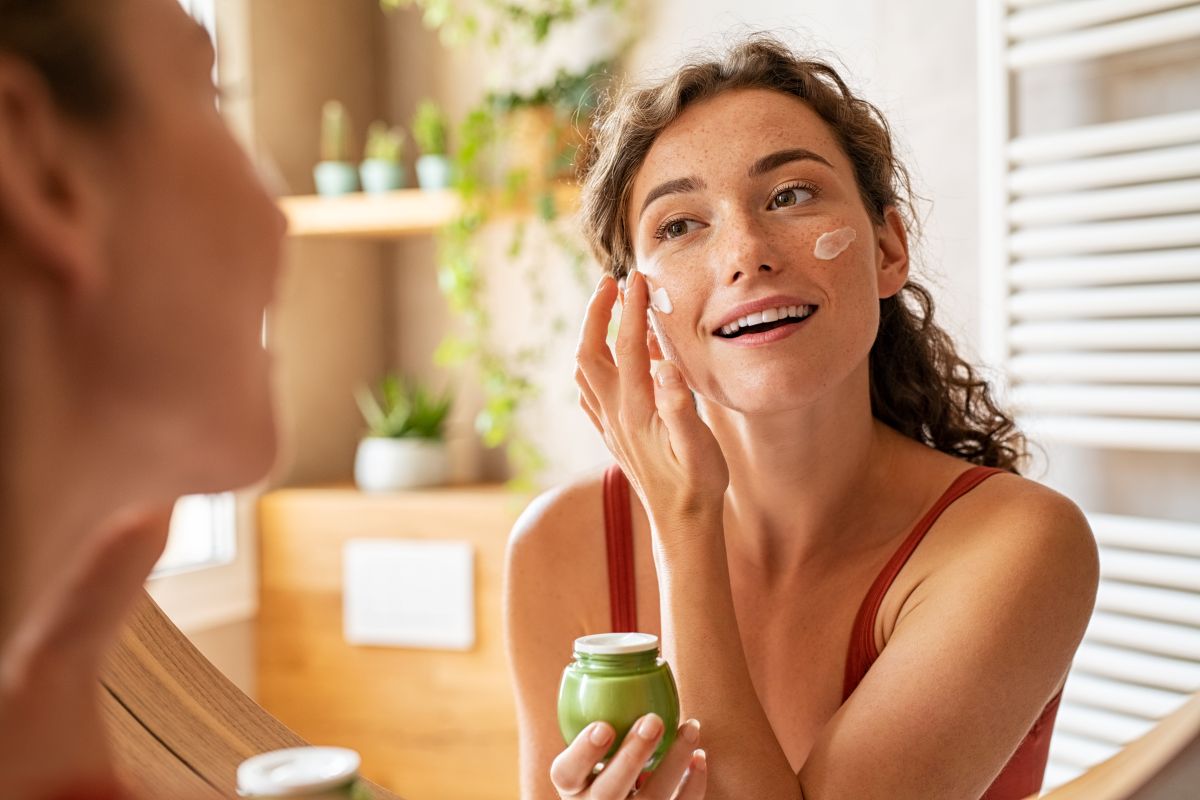
Adaptogens are the current hot trend in skincare. They’re marketed as being the go-to for relieving the effects of daily stressors on skin, but adaptogens aren’t just in skincare. These buzzworthy ingredients show up in supplements and smoothies too. The real question is do these ingredients actually work? On a recent episode of The Skin Real podcast, Dr. Jacqueline Watchmaker of U.S. Dermatology Partners at CALM Scottsdale and Phoenix Biltmore sat down with Dr. Mary Alice Mina to talk about adaptogens. Dr. Watchmaker said, “Adaptogens have actually been around forever. They’ve been used in ancient medicine for centuries. It’s really medicine coming back full circle.” In this blog, Dr. Watchmaker talks about her participation in clinical research on the benefits of topical adaptogens in skincare as well as her own daily use of adaptogens.
What Are Adaptogens?
During her interview, Dr. Watchmaker emphasized that adaptogens weren’t new or just a marketing tactic. Instead, adaptogens are a modernization of medicine that has been used for centuries. Adaptogens are ingredients often derived from plants or mushrooms. They earned their name based on the support they give the body in adapting to physical and environmental stressors. In the past, adaptogens have been used to support energy, immunity, and recovery as part of Ayurveda and traditional Chinese medicine. Dr. Watchmaker explains, “Adaptogens help the body respond to stress from UV light, pollution, burnout, workouts, sleep deprivation, and other factors. Unlike other skincare options, adaptogens don’t irritate. They don’t exfoliate. They’re not abrasive. They’re supportive.”
How Stress Impacts Your Skin
Stress is often considered an emotional condition, but it impacts the body as well, leading to numerous biochemical responses that can have adverse effects on skin and the whole body. This is where adaptogens shine. They don’t just treat symptoms of skin distress. They address the skin’s stress response itself. Elevated stress hormones lead to increased oil production, inflammation, and weakened skin barrier. These stress effects cause frequent skin health concerns like:
- Acne breakouts – increased oil production elevates risk for clogged pores. Inflammation means blemishes may be more painful and difficult to treat.
- Skin sensitivity – inflammation related to stress weakens the skin’s protective barrier, which makes skin more sensitive and reactive to external stressors. It can also trigger flareups in chronic skin conditions like eczema and rosacea.
- Dullness – dehydration and irregular skin texture are common stressed skin struggles as distressed skin doesn’t retain moisture well or reflect evenly.
- Premature aging – oxidative stress from pollutants, sun’s UV rays, and other external aggressors accelerate the breakdown of collagen and elastin, leaving skin with more noticeable wrinkles and greater skin laxity.
- Delayed healing – following treatments or injury, stressed skin can heal more slowly and be prone to irritation and inflammation.
How Adaptogens Work in Skincare
Adaptogenic skincare supports skin health in four main ways:
- Stress regulation – adaptogens stabilize stress signaling in the skin. Particularly, the pathways linked to inflammation and oil production are balanced. This leads to fewer acne breakouts, reduced reactivity, and more consistent skin tone and texture.
- Anti-inflammatory boost – cytokine activity that triggers inflammation in skin is reduced by many adaptogens, making these skincare products ideal for rosacea, eczema, acne, and post-procedure skin recovery.
- Antioxidant boost – rich in polyphenols, adaptogens boost the efficacy of antioxidant skincare ingredients and reduce oxidative stress from environmental aggressors, including UV radiation, blue light, and pollutants. This prevents collagen damage and premature aging for a more even skin tone and smoother texture.
- Skin barrier support – by increasing hydration and cellular recovery, adaptogens support lipid balance and increase skin barrier resilience and strength.
Common Adaptogens Used in Skincare
There are numerous types of plant and mushroom adaptogens. Many of them work well on their own and when combined to create a skin supportive system. Some of the most commonly used adaptogenic ingredients include:
- Ashwagandha – calms and sooths inflamed skin, boots the efficacy of antioxidants, and protects from environmental stressors.
- Reishi mushroom – healing and soothing for reactive skin, this adaptogen strengthens skin barriers and improves hydration.
- Holy basil (Tulsi) – for oily and acne-prone skin, this adaptogen is the go-to. It balances oil production, calms inflammation, and reduces stress response.
- Ginseng – this energizing adaptogen increases skin radiance, supports collagen and elastin production, and increases antioxidant effects.
- Rhodiola rosea – counters cellular fatigue, increases skin brightness, and reduces effects of environmental damage.
- Licorice root – this adaptogen is great for post-procedure skincare with unique anti-inflammatory and redness-reducing properties.
- Snow mushroom (tremella) – barrier supporting, skin plumping, and deep hydrating, this adaptogenic ingredient is a must have for those with dry and sensitive skin.
Who Can Benefit from Adaptogenic Skincare?
Because adaptogens are such gentle skincare ingredients, they are suitable for most skin types and skin health concerns for anyone whose skin needs balance and resilience, including those with:
- Skin sensitivity or reactivity.
- Redness or flushing.
- Inflammatory acne.
- Premature skin aging.
- Dull or uneven skin tone.
- Pollution-exposed skin.
- Post-procedure healing skin.
- Compromised skin barrier.
- Hormonal skin changes.
How to Incorporate Adaptogens into Your Skincare Routine
Most commonly included in serums and creams, adaptogens are not drying, exfoliating, or irritating, so they are easy to incorporate into both morning and evening skincare routines. Versatile and skin health boosting, adaptogens pair well with retinoids, chemical exfoliants, and professional dermatologic skincare treatment. Dr. Watchmaker recommends keeping skincare simple, but states, “It’s easy to incorporate an adaptogen products into even a simple skincare routine.” Dr. Watchmaker’s morning and evening routines are outlined below.
Morning Routine
- Gentle cleanser
- Adaptogen serum
- Moisturizer
- Sunscreen
Evening Routine
- Cleanser
- Adaptogen serum (and/or retinoid)
- Moisturizer
Dermatologist Spotlight: Dr. Watchmaker’s Favorite Adaptogen
If you’re looking for an adaptogen product to introduce into your skincare routine, Dr. Watchmaker highly recommends the skinbetter Science Mystro Active Balance Serum. She says, “I use adaptogen products every day. Mystro Active Balance Serum is one of my favorite ones. There’s a lot of great data on it. I can’t tell you how many patients from the trials continuously come back to get the product because they see the changes in their skin.” As one of the first professional formulations to place adaptogens at the center of its formula, Mystro Active Balance Serum was designed to regulate oil production, skin redness, clogged pores, dullness, and compromised skin barrier.
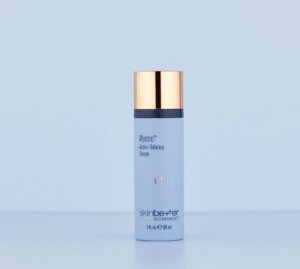
Shop on DermSkincare.com here.
Professional-Grade Adaptogens vs Trend Ingredients
Because adaptogens are trendy, many companies are jumping on the bandwagon to offer skincare products with adaptogen technology, but not all adaptogen formulas are created equal. Dr. Watchmaker says, “Because it’s trendy, a lot of companies are just jumping on and saying they have adaptogens. Skinbetter Science and La Mer have done the most data. They’ve looked into it for years.” Dr. Watchmaker recommends looking for adaptogen skincare products that are supported by clinical research. Professional-grade skincare ensures ingredient stability, effective delivery systems, effective dosage, and safety even when used by those with compromised skin.
Topical Adaptogens vs Supplements
Oral adaptogens like ashwagandha have been popular in wellness treatments for years, but Dr. Watchmaker recommends the use of topical adaptogens to achieve skincare goals because they go straight to the source. Oral supplements are ideal to alleviate whole-body stress response, but Dr. Watchmaker says, “If skin improvement is what they’re actually looking for, I shift them toward topical adaptogens.”
The Adaptogen Trend Is More than a Skincare Fad
Dr. Watchmaker predicts, “I think we’re going to be hearing a ton more about topical adaptogens.” Whether you’ve been using adaptogen supplements for years or you’re brand new to adaptogens, you may want to consider adding an adaptogen skincare product to your daily routine to reduce inflammation, barrier damage, and environmental irritation as well as boosting healing response. An old-fashioned approach to skincare relies on exfoliation to reveal new, healthy skin cells. Adaptogens are changing the skincare landscape by increasing long-term skin resilience.
Boost Your Skincare Routine with Dermatologist Support
If you’re ready to improve your skincare routine, take a few moments to complete our online request form to schedule a consultation with a board-certified dermatologist at U.S. Dermatology Partners. Our knowledgeable dermatologists are here to answer your questions, recommend skincare products and ingredients, and assist you in achieving and maintaining healthy, beautiful skin.
Find a location near me
or