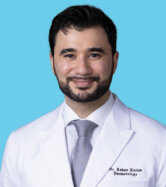

If you’ve been seeing more hair circling the drain or you’re cleaning out your hairbrush more often, your immediate response may be to worry about hair loss. While additional hair shedding may indicate hair loss, there are numerous underlying causes of increased shedding, and not all of them are long lasting. According to Dr. Rehan Karim of U.S. Dermatology Partners North Dallas, “Not all increased hair shedding means permanent hair loss. Many people experience temporary shedding after stress, illness, hormonal changes, or other triggers, which can lead to temporary hair loss or thinning. In many cases, this shedding improves once the underlying cause is addressed. Permanent hair loss, on the other hand, is more commonly driven by genetics, autoimmune disease, chronic scalp inflammation, or damage to the hair follicles. The key is to determine what’s driving the change so treatment can be properly targeted.” In this blog, Dr. Karim discusses causes of hair shedding and loss and explores treatment options.
Understanding Normal Hair Shedding
In order to determine whether hair shedding is excessive, patients need to understand how the hair growth cycle works. People naturally cycle through four repeated phases:
- Anagen (growth)
- Catagen (transition)
- Telogen (rest)
- Exogen (shedding)
When hair is healthy, more strands should be actively growing while a small percentage are in the transition, rest, and shedding phases. Because some hair will be in the shedding part of the hair cycle, a small amount of daily shedding (about 50-100 hair strands) is perfectly natural. These should be replaced as the follicle moves back into the growth cycle. In balanced hair growth cycles, daily shedding is often entirely unnoticed because regrowth and hair loss even out. When hair shedding noticeably increases, it can feel dramatic, but there are numerous causes that can be simple to address with the right treatment.
What Is Telogen Effluvium?
Following a bodily or emotional shock or distress, telogen effluvium may occur. In this condition, a larger amount of hair is pushed into the telogen (rest) phase of the hair growth cycle all at once. Instead of 5% to 10% of hair being in the rest and shedding phase at one time, that number may have increased to 30%. This causes significantly higher amounts of hair shedding. In most individuals, telogen effluvium recovery happens naturally over the course of several months. However, some patients have chronic telogen effluvium, which may require intervention.
Common Causes of Hair Shedding
Hair shedding can be triggered by a wide range of factors, and not all causes are permanent or require the same type of treatment. Identifying the underlying reason is key to choosing the most effective approach. Some of the most common triggers for excessive hair shedding and loss include:
- Stress – physiological effects of stress interrupt the natural hair growth cycle, pushing follicles into the rest and shedding phase.
- Illness – high fevers, infections, and illness often trigger telogen effluvium. When the body redirects energy and nutrients toward recovering from illness, it can negatively impact hair growth.
- Surgery – healing from surgical procedures can put significant strain on the body. The hair growth cycle can be disrupted by loss of blood, anesthesia, and other recovery factors.
- Postpartum hormones – changing hormone levels cause excessive hair shedding. During pregnancy, women have higher hormone levels that drop rapidly following childbirth. This fast change in hormones triggers excessive shedding that typically resolves within a few months.
- Nutritional deficiencies – without proper nutrition, follicles aren’t able to support healthy, natural hair growth. This is especially true for those who have low iron, protein, zinc, or vitamin D.
- Medications – certain medications for blood pressure, hormonal shifts, and acne can inhibit hair growth. Antidepressants, anticoagulants, and weight loss medications may also lead to increased shedding.
- Restrictive diets – crash dieting and rapid weight loss push the body to conserve energy. One way the body is able to save energy is by keeping hair follicles in the telogen phase.
When Hair Shedding May Actually Be Hair Loss
According to Dr. Karim, “True hair loss presents differently from temporary shedding. While they initially have many of the same symptoms, more permanent hair loss will not improve with time. Hair loss disorders are harder to treat and more likely to be permanent because they damage or shrink hair follicles, leading to long-term hair thinning.” Some of the most common forms of hair loss include:
- Androgenetic alopecia (male and female-pattern baldness) – hair loss occurs gradually due to genetics and hormone fluctuation. Male-pattern baldness involves receding hairline, thinning, and loss of fullness. Female-pattern baldness is indicated by widening hair part and overall thinning.
- Hormonal disorders – imbalanced hormones from thyroid disorders, polycystic ovary syndrome, menopause, pregnancy, and elevated androgen can all trigger hair loss. They require treatment to address underlying hormonal shifts.
- Autoimmune diseases – certain conditions related to autoimmune function like alopecia areata and lupus attack follicles, leading to hair loss.
- Scalp inflammation – psoriasis, folliculitis, and scarring alopecia are inflammatory scalp conditions that interfere with hair growth.
Signs It May Be More Than Temporary Shedding
How do you know when shedding indicates permanent hair loss? A dermatologist can provide an accurate diagnosis, but some of the common warning signs that excessive shedding has become something more serious include:
- Visible scalp – this may look like patches of visible scalp or widening hair part. If this continues or worsens over time, it may be indicative of permanent hair loss.
- Receding hairline – a gradually receding hairline is an early warning sign of androgenetic alopecia, male-pattern baldness.
- Hair thinning – when related to excessive shedding, hair thinning stabilizes and improves with time. If hair thinning worsens or remains for months, it may be time to discuss treatment options.
- Patchy hair loss – visible, circular patches of skin on the scalp may indicate alopecia areata, which is an autoimmune condition that needs to be treated before hair loss improves. Patchy hair loss is often accompanied by itching, burning, thickening skin, pain, or redness.
Treatment Options for Hair Loss & Excessive Shedding
Finding the right treatment for hair loss depends on the underlying diagnosis. According to Dr. Karim, “For patients with telogen effluvium, the first step is identifying and addressing potential triggers such as stress, illness, hormonal changes, or medication adjustments. In many cases, treating the underlying cause can help improve shedding over time. Additional supportive treatments may also be recommended to promote healthy regrowth and overall scalp health.” Treatments for hair thinning and loss include some combination of the following:
- Stress management – stress has a profound impact on hair growth cycles, so finding ways to manage and reduce stress is essential to supporting healthy hair growth.
- Nutrition – specific nutrients like iron, vitamin D, zinc, and protein as well as consuming a generally nutrient-rich diet all play a part in hair and scalp health.
- Topical treatment – hair support serums, shampoos, and other topical products may be beneficial to stimulate growth, increase hair strand density, and boost follicle strength. Topical products with minoxidil are a go-to for hair loss and excessive shedding. With regular application, minoxidil prolongs hair’s growth phase and improves hair density.
- Hair care products – dermatologist-recommended products designed for hair loss and excess shedding support an overall hair health and growth plan. You can explore some great options in the DermSkincare Hair Loss Collection.
- Oral medications – for more advanced or chronic hair loss, medications prescribed by your dermatologist may offer additional improvement. Oral minoxidil, finasteride, or dutasteride may be prescribed as well as hormonal medicines like anti-androgen treatments. Anti-inflammatory medicines may also be recommended on their own or in conjunction with other oral medications.
- Dermatology procedures – for more advanced hair loss or damage that isn’t reversed with less invasive options, a dermatologist may recommend in-office treatments like:
- Platelet-rich plasma (PRP) therapy – the patient’s blood platelets are collected and injected into the hair follicle to stimulate growth.
- Microneedling – low-gauge needles are used to make microscopic perforations in the scalp that jumpstart healing and stimulate hair growth.
- Laser treatments – laser light is absorbed by the scalp that triggers cellular energy, improves oxygen delivery, and moves follicles into the hair growth phase.
Why Early Diagnosis Matters
Dr. Karim says, “Whether they’re feeling self-conscious or just don’t think their condition is serious, waiting to receive an evaluation and diagnosis for hair loss and shedding is one of the biggest mistakes patients can make. Many hair loss triggers respond better when diagnosed and treated in the earliest stages. As follicle damage progresses, it becomes increasingly difficult to find an effective solution.” Early evaluation offers numerous benefits including:
- Identifying and treating triggers.
- Determining if shedding is temporary or indicative of permanent hair loss.
- Starting treatment to halt progression and reverse damage.
- Avoiding unnecessary products or treatments that won’t improve symptoms.
When to See a Dermatologist
You may want to consider seeing a dermatologist for hair loss concerns if you experience any of the following:
- Sudden increase in hair shedding.
- Consistently excessive shedding.
- Thinning hair that worsens over time.
- Hair loss that lasts several months even after the perceived underlying cause is addressed.
- Patches of hair loss.
- Receding hairline, increased scalp visibility, or widening hair part.
- Scalp that itches or burns.
- Changes in hair texture or increased breakage or splitting.
Understand Causes of Hair Loss & Plan the Best Response
When it comes to treating and preventing hair loss, Dr. Karim reminds patients, “No thinning hair treatment is the same for everyone. It’s essential to meet with your dermatologist to discuss underlying causes of hair loss and thinning, address the root cause, and move forward with a customized treatment plan.”
Schedule a Dermatology Consultation
If you are concerned about increased hair shedding, thinning, or loss, schedule an evaluation with one of the many board-certified dermatologists at U.S. Dermatology Partners. They can explore your concerns, answer questions, and provide treatment options that meet your needs. Getting started is easy. Simply take a few moments to fill out our online scheduling request form. We look forward to hearing from you soon. If you live in North Dallas and want to work with Dr. Karim directly, he is proud to offer online scheduling to further simplify the process.
Find a location near me
or