
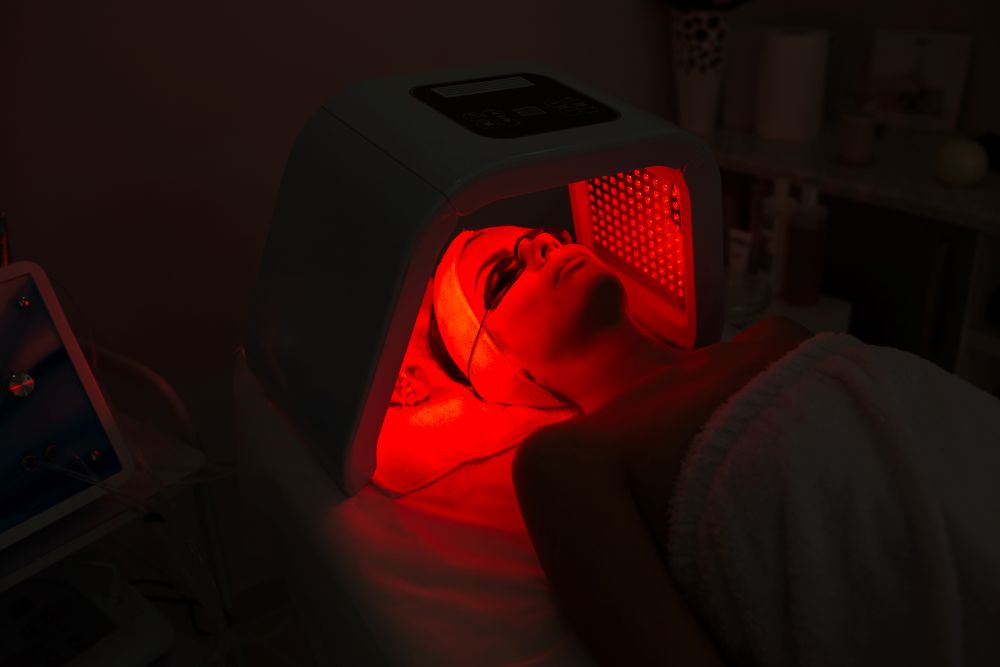
Hair loss, excessive shedding, and other frustrating scalp health concerns present a challenge to manage and treat, but for some, red light therapy can offer relief. According to Dr. Jacqueline Watchmaker of U.S. Dermatology Partners Scottsdale, “Red light therapy is gaining popularity in treating a variety of scalp skin concerns. Red light therapy has the strongest evidence for treating androgenetic alopecia in both men and women, with emerging data suggesting potential benefit in other types of hair loss as well as psoriasis. Red light treatments may decrease shedding, improve hair growth, and support general scalp health. While more and more at-home red light therapy devices are available, it’s important to understand this isn’t a one-size-fits-all solution, and they shouldn’t be used in place of dermatologic evaluation and procedures.” In this blog, Dr. Watchmaker talks through answers to frequently asked questions like what is red light therapy, how does it work, and will it improve my hair and scalp health?
How Red Light Therapy Works on the Scalp
Low-level laser therapy (LLLT) is a form of red light treatment that uses low-level laser energy, typically between 630 and 670 nanometers, to support scalp health and hair growth. This light stimulates follicle activity for those with hair loss and may reduce epidermal thickening in those with psoriasis. Some of the many benefits of red light therapy for hair and scalp include:
- Boosts cellular energy – this increases the production of adenosine triphosphate that repairs damage, regulates inflammation, supports follicle health, and maintains a longer hair growth phase.
- Encourages blood flow – circulation to hair follicles increases delivery of oxygen, growth factors, and nutrients necessary for healthy hair and scalp.
- Reduces inflammation – conditions like psoriasis, folliculitis, and dermatitis all cause inflammation that leads to itching, swelling, and scalp irritation. Red light therapy reduces inflammation and calms overactive immune response.
- Support hair growth cycles – red light therapy lengthens the anagen (growth) phase of the cycle and shortens the telogen (resting) phase of the growth cycle. This reduces shedding and increases hair growth and strength.
Conditions Red Light Therapy May Help
Red light therapy is recommended for a range of skin and scalp health concerns, but it’s important to receive an accurate diagnosis and dermatologist recommendation before beginning treatment. This is especially important because so many scalp conditions have similar symptoms, but they don’t always benefit from the same treatment. Some of the scalp health concerns that may be improved with red light therapy include:
- Hair thinning and loss – the most evidence supporting the benefits of red light therapy for hair thinning is related to androgenetic alopecia, which you likely know as male or female pattern baldness. If you notice common signs of androgenetic alopecia, you may want to consider red light therapy on its own or in combination with other hair loss treatments.
- Scalp psoriasis – inflammation, thickening of skin, red patches, itching, burning, and flaking are all common signs of scalp psoriasis. Clinical evidence of red light therapy in psoriasis remains limited but promising. Because psoriasis symptoms are similar to other scalp conditions, it’s important to get an accurate diagnosis before beginning red light therapy.
- Alopecia areata – this type of hair loss is related to an autoimmune disease that causes sudden hair loss. Symptoms include large round or oval bald patches, smooth scalp, tingling, and itching. Red light therapy supports hair follicle health and reduces inflammation, but alopecia areata requires medical intervention to address the underlying autoimmune disorder.
- Seborrheic dermatitis – this form of dermatitis is commonly linked to yeast overgrowth on the scalp. For some, this condition improves with red light therapy to reduce inflammation and irritation.
- Scalp folliculitis – when hair follicles become infected or inflamed due to folliculitis, red light therapy can diminish side effects like red bumps, sensitivity, and acne-like bumps.
- Chronic scalp sensitivity – scalp burning, stinging, itching, or redness may occur due to friction, stress, heat, or even using the wrong products. Whatever the underlying cause of scalp sensitivity, red light therapy may be recommended to diminish these symptoms.
Important Considerations Before Trying Red Light Therapy
According to Dr. Watchmaker, “There are numerous red light therapy devices available to use at home, but it’s important to consult a dermatologist first to ensure red light therapy will benefit you. Not all scalp conditions respond positively to red light therapy, so before you invest in an at-home device, talk about your options with a dermatologist.” Consult a dermatologist before receiving red light therapy to:
- Get an accurate diagnosis.
- Exclude infections, skin cancer, and other potentially more serious concerns.
- Determine whether red light therapy is the right option.
- Develop a red light therapy plan.
- Monitor symptoms and adjust treatment as needed.
When to See a Dermatologist
When it comes to determining whether to consult a dermatologist, Dr. Watchmaker says, “Red light therapy is a relatively safe treatment, which is why it’s become so readily available for use at-home. However, it’s not an all-purpose solution for every scalp health concern, so it’s important to receive an accurate diagnosis from a dermatologist. Additionally, many conditions are best addressed with a combination of red light therapy and other oral or topical medications that can be prescribed by your dermatologist to maximize the benefits of red light therapy.”
Even if you notice red light benefits for your scalp health, you may want to schedule a consultation with your dermatologist if you notice any of the following symptoms:
- Sudden hair loss – may indicate thyroid disease, autoimmune disorders, and other conditions that require medical intervention.
- Chronic inflammation – depending on the underlying cause of inflammation, this condition may require a combination approach that includes antifungals, steroids, biologics, and other targeted therapies with red light therapy.
- Severe symptoms – painful pustules, oozing, thick, scaly skin, and signs of infection all indicate a need for medical intervention and should be examined by a dermatologist.
- Over-the-counter products aren’t working – if you don’t see improvement after a few months of consistent use, you should consult a professional.
Red Light Therapy Boosts Scalp Health & Improves Symptoms of Chronic Conditions
In conclusion, Dr. Watchmaker says, “Don’t put off treatment for scalp health concerns. If self-diagnosis and at-home care isn’t cutting it, a dermatologist can help you understand the underlying causes of your symptoms, develop the best at-home routine, and find the right treatments in-office when necessary. Because so many scalp concerns have similar symptoms, it’s especially important to consult a dermatologist before beginning treatment as this ensures an accurate diagnosis and treatment plan.”
Schedule a Dermatology Consultation to Discuss Red Light Therapy
Interested in learning more about red light therapy or other scalp and skin health needs? It takes just a few moments to request an appointment at U.S. Dermatology Partners, using our simple online form. Your dermatologist can answer your scalp health questions, discuss treatment options, and even recommend at-home products.
Find a location near me
or