

Those with acne-prone skin often skip sunscreen because they equate it with causing breakouts or making their skin oily. However, for patients who notice breakouts after sunscreen use, it may be because they’re using the wrong type of sunscreen. According to Certified Physician Assistant Sydney Marvin of U.S. Dermatology Partners Arlington, “Contrary to a popular myth among my acne patients, sunscreen doesn’t cause breakouts. However, using the wrong sunscreen can contribute to acne. Working with a dermatology provider to find an effective sunscreen that doesn’t clog pores is essential. Damage from the sun’s UV rays can have both short and long-term repercussions, including increasing one’s risk of developing skin cancer.” This blog explores ways to choose the best sunscreen for acne-prone skin and provides product recommendations to make choosing non-comedogenic sunblock easy.
Can Sunscreen Cause Breakouts?
To directly address the common question, can sunscreen cause breakouts, Sydney Marvin says, “Simply put – no. Sunscreen does not cause acne breakouts. This is one of the most common misconceptions I hear from my patients with acne-prone skin. However, thick, fragranced, or oily sunscreens can clog pores, triggering or worsening breakouts. The best way to combat this is by using sunblock formulated for acne-prone skin.”
What Actually Causes Breakouts After Using Sunscreen?
Breakouts following sunscreen use typically boils down to one of the following contributing factors:
- Formulation – look for products marked as non-comedogenic, oil-free, and lightweight. Avoid products that are heavy, intensely hydrating, or skin barrier strengthening. These sunscreens contain occlusive ingredients that are great for those with dry skin, but can lead to clogged pores.
- Skin type mismatch – sunscreens that trigger breakouts may work well for those with dry, combination, or balanced skin types, but these products may not be beneficial for those with oily or acne-prone skin.
- Ineffective cleansing – if sunscreen residue is left behind after cleansing, it may buildup and combine with oil, sweat, makeup, and dirt, blocking pores and leading to breakouts.
- Using too many products – in skincare, less is more. Layering on too many serums, moisturizers, cosmetics, and other products can trigger an acne breakout and increase pore congestion.
- Acne-prone skin – no matter what, those with acne-prone skin will experience breakouts. New blemishes and clogged pores will happen with or without sunscreen. However, it’s important to protect skin from sun damage. Using the right sunscreen should not significantly contribute to an increase in acne breakouts.
Why Acne-Prone Skin Still Needs Sunscreen
Sydney Marvin says, “Avoiding sunscreen because you’re worried about breakouts can actually contribute to more severe acne and hinder the healing process. Daily sunscreen application is essential for everyone.” Some of the reasons acne-prone skin still needs sunscreen include:
- Reduced hyperpigmentation – dark spots or lesions left behind after acne clears is common. This condition is called post-inflammatory hyperpigmentation. Sun exposure during acne healing can lead to darker and longer-lasting hyperpigmentation.
- Diminished inflammation – sun damage increases skin inflammation which can make acne breakouts more painful. Using sunscreen decreases inflammation and promotes healing.
- Protection from sun sensitivity – acne treatments that contain active ingredients like retinoids, chemical exfoliants, and benzoyl peroxide are known to increase sun sensitivity, making skin more vulnerable to UV damage. It’s important to apply sunscreen to protect against these adverse effect of acne treatment.
- Improved healing – breakouts cause skin inflammation and discoloration as well as increased risk of scarring. Sun damage can slow the healing process. Protecting against UV rays as skin heals reduces risk for infection, scarring, and hyperpigmentation.
Mineral vs. Chemical Sunscreens: Which Is Better for Acne-Prone Skin?
According to Sydney Marvin, “Choosing physical or mineral sunscreen for acne-prone skin comes down to personal preference. There are excellent sunscreen options for acne-prone skin in both mineral and chemical formulas. It’s all about finding sunscreens that are suitable to your skin type and skincare needs. If you can comfortably and consistently apply a sunscreen without irritation or triggering breakouts, it’s the right option for you.” To assist patients in making an informed decision, Sydney provides some of the basic characteristics of mineral and chemical sunscreens below.
Mineral Sunscreens
Mineral or physical sunscreens use ingredients like zinc oxide or titanium dioxide to block out UV rays. They sit on the surface of skin and prevent the damaging ultraviolet radiation from penetrating skin. Mineral sunscreen benefits include:
- Gentle enough for young children and those with very sensitive or reactive skin.
- Provides immediate protection once applied.
- Less likely to irritate skin.
- Zinc oxide exhibits calming properties that can alleviate acne-related inflammation.
- Safe for those who have recently received cosmetic dermatology treatment.
Chemical Sunscreens
In chemical sunscreens, the active ingredients absorb UV radiation before it reaches skin. In the past, these products often had strong smells and would cause skin irritation for some individuals. Modern formulas are lightweight and cosmetically elegant. Some of the benefits of choosing chemical sunscreens include:
- Light formulas feel more comfortable for those with oily and acne-prone skin.
- Easy to apply and quickly absorbed.
- Minimal risk for white cast.
- Blends into skin seamlessly.
What to Look for in Sunscreen for Acne-Prone Skin
When choosing a sunscreen for acne prone skin, it’s important to avoid products that feel greasy, heavy, or thick. These are more likely to clog pores and lead to breakouts. In general, if you try a sunscreen and it leaves your skin feeling congested, try a different option or consult your dermatology provider for recommendations. There are several sunscreen characteristics your dermatology provider will likely encourage you to look for, including:
- The basics – always choose sunscreens that are broad spectrum (protecting against both UVA and UVB rays) and have an SPF of 30 or higher.
- Non-comedogenic – no skincare products can guarantee they won’t clog pores, but products designated “non-comedogenic” are formulated to minimize breakouts.
- Oil free – whenever possible, choose sunscreens that are designated as oil-free. This typically means a lighter application that is easier to absorb and doesn’t add oil to already oily complexions.
- Lightweight – the way a sunscreen feels is an essential factor for those with acne-prone skin. Look for lightweight lotion or gel formulas, or sheer mineral sunscreens that offer more comfortable textures.
- Fragrance-free – any unnecessary dyes and perfumes in sunscreen are more likely to cause irritation or inflammation that can worsen breakouts or trigger blemish formation.
Dermatology Provider-Recommended Sunscreens for Acne-Prone Skin
Sydney Marvin says, “In the past, sunblock was often heavy, cakey, and not ideal for those with acne-prone skin. Today, there are many acne-safe sunscreen options.” Below are a few highly-rated dermatology provider-recommended sunscreens for patients with oily and acneic skin. These are all available on DermSkincare.com.
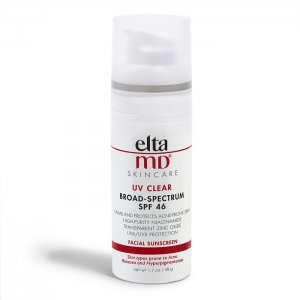
EltaMD UV Clear SPF 46
EltaMD is a brand trusted by dermatology providers to provide safe, gentle skincare products that are suitable for almost all skin types, including oily and acne-prone skin. The EltaMD UV Clear SPF 46 has an elegant, easy to apply finish that makes it ideal for those with acneic skin. This non-irritating sunblock offers numerous benefits, including:
- Oil-free and non-comedogenic formula.
- Lightweight texture for easy application.
- Suitable for daily wear under cosmetics.
- Fast and easy reapplication.
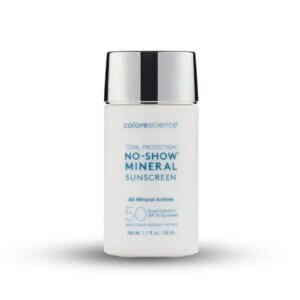
Colorescience Total Protection No-Show Mineral Sunscreen SPF 50
The innovative formulation in Colorescience Total Protection No-Show Mineral Sunscreen SPF 50 has transformed the way mineral sunscreens function. This product offers numerous benefits for those with acneic skin, including:
- Mineral-based formula may be preferable for those who have sensitivities to chemical ingredients
- Lightweight finish.
- Invisibly blends with skin tone.
- Daily wear compatible.
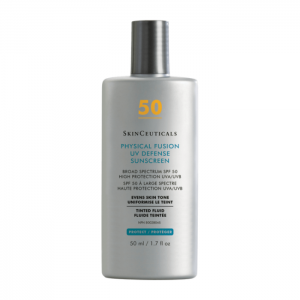
SkinCeuticals Physical Fusion UV Defense SPF 50
SkinCeuticals Physical Fusion UV Defense SPF 50 is another mineral sunscreen that offers a lightweight formula ideal for acne-prone skin. Additionally, the subtle tinted shades blur imperfections in skin tone, minimizing the appearance of acne during breakouts. Some of the benefits of this unique sunscreen include:
- Broad-spectrum, high SPF protection.
- Lightweight formula.
- Suitable for all skin types.
- Blends naturally, eliminating white cast.
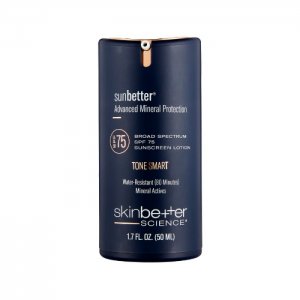
Skinbetter Science Sunbetter Tone Smart SPF 75
For those with fair skin and those who are using products that make the skin more susceptible to sun damage, the high level of sun protection factor in skinbetter Science Sunbetter Tone Smart SPF 75 is ideal. It provides sun protection with a flawless finish. Benefits include:
- Broad-spectrum protection.
- Ultra-high sun protection factor.
- Adaptive tint.
- Water-resistant.
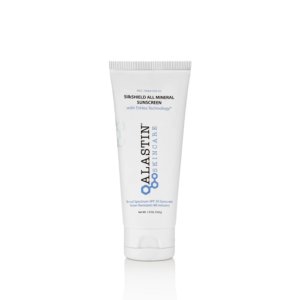
ALASTIN SilkSHIELD All Mineral Sunscreen SPF 30 with TriHex Technology
For those with active, inflamed acne breakouts, ALASTIN SilkShield All Mineral Sunscreen SPF 30 with TriHex Technology is an optimal formula. The lightweight product is ideal for use year-round. TriHex technology boosts skin healing, making this sunscreen a must have for those with sensitive or healing skin. Some of the many benefits include:
- All mineral formula.
- Lightweight and easy to apply.
- Protects against environmental aggressors and promotes healing.
- Safe for sensitive or inflamed skin.
Common Sunscreen Myths Debunked
It’s important to debunk some of the common myths related to clogged pores and sunscreen. By better understanding how sunscreen interacts with skin, patients are able to make informed decisions about their skin health. Below, Sydney Marvin debunks some of the most common myths associated with sunscreen and acne.
Myth #1: Sunscreen Causes Acne
Reality: On its own, sunscreen is not the cause of acne. However, certain sunscreen formulas, improper cleansing, and overuse of products can all contribute to breakouts.
Myth #2: Acne-Prone Skin Doesn’t Need SPF
Reality: It’s even more essential that those who have acneic skin take sun safety precautions. Many of the products used for acne treatment make the skin more susceptible to sun damage. Additionally, sun protection reduces risk of hyperpigmentation as acne heals. Finally, healing breakouts can become inflamed after sun exposure, so sunblock and other sun protection measures support faster healing.
Myth #3: Higher SPF Causes More Breakouts
Reality: Sun protection factor (SPF) has nothing to do with whether a person will experience clogged pores and acne breakouts after wearing sunscreen. The sunscreen formulation is what matters. Lightweight, easily absorbed formulas are less likely to cause breakouts than heavier products.
When to See a Dermatology Provider
Whether you’re struggling to find the right non-comedogenic sunscreen or you need to improve your skincare routine to alleviate acne symptoms, you may benefit from a trip to see your dermatology provider. You shouldn’t put off a dermatology visit if you experience any of the following:
- Persistent acne breakouts that don’t show improvement even with consistent care.
- Significant scarring or post-inflammatory hyperpigmentation related to acne breakouts.
- Skin irritation or inflammation.
- Inability to find effective and tolerable skincare products.
Sunscreen Is Still Essential for Acne-Prone Skin
In conclusion, Sydney Marvin says, “Sunscreen is not a cause of acne. However, using the wrong sunscreen formula or failing to clean skin properly after wearing sunscreen may contribute to breakouts. A dermatology provider can help you find the best sunscreen for your skin type so you can minimize breakouts while also improving your overall skin health.”
Schedule an Acne Consultation
While acne symptoms can get worse during the summer, it’s not the sunscreen. If you’re struggling to manage acne symptoms and breakouts, visiting a dermatology provider can help. Getting started with the team at U.S. Dermatology Partners is quick and easy. Just take a moment to fill out our online form, and a local team member will be in touch to finalize the details.
Find a location near me
or