
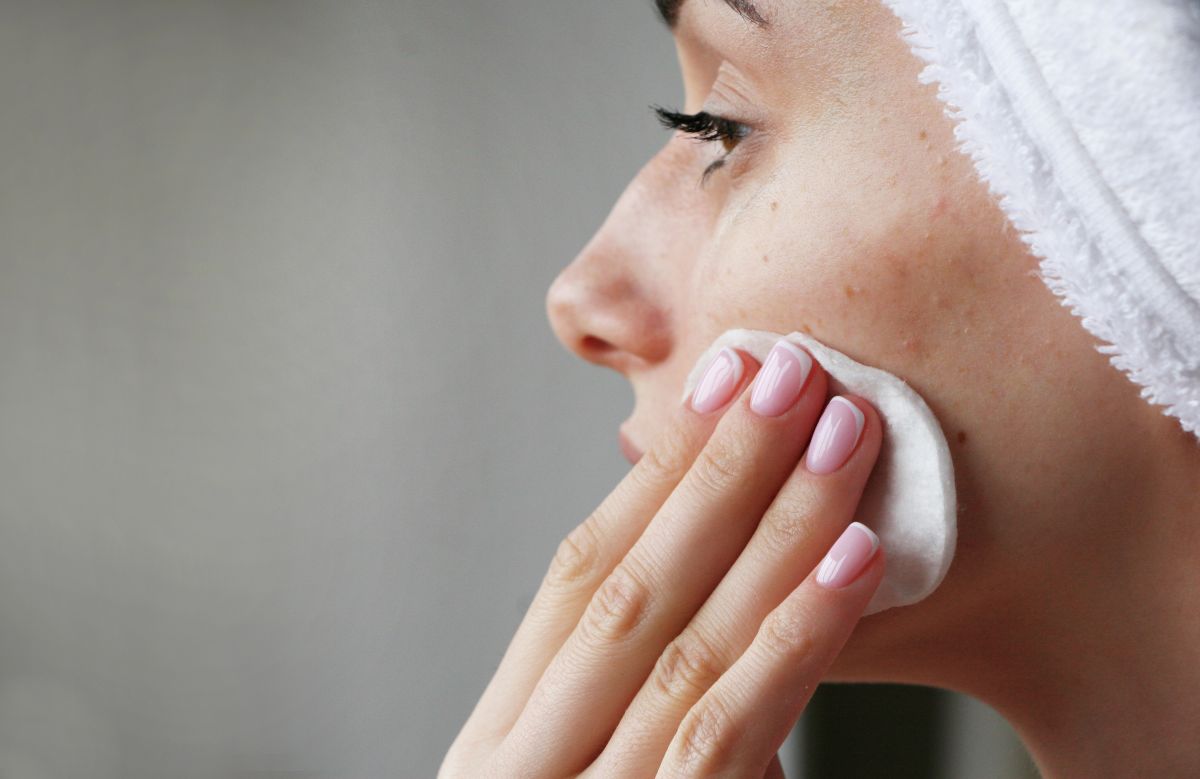
It’s a common struggle for those with acne. Patients feel like they’re doing everything they can and still not achieving clear skin. According to Dr. Kathryn Celeste Durham of U.S. Dermatology Partners Fort Worth Sout Hulen, “Acne isn’t as simple as many patients assume. There are numerous underlying causes of acne as well as contributing factors and underlying health issues that make acne resistant to many treatments. Even the most diligent daily cleansing and treatment application may not be fully effective if it’s not addressing the underlying causes of the condition.” In this blog, Dr. Durham breaks down why some people struggle to keep skin clear and what steps patients can take to achieve clearer, healthier skin.
Why Acne Can Be Hard to Treat
According to Dr. Durham, “Most topical acne treatments are designed to address one factor that contributes acne breakouts, but acne is driven by several biological processes that may all need to be treated before skin clears up. For example, a spot treatment opens up the skin to clear bacteria and debris to clear an existing pimple, but it won’t prevent that pore from being clogged again.” To truly achieve and maintain clearer skin, those who suffer from acne need to address the entire system of problems contributing to the condition, including:
- Excess oil production – the body’s natural oils are called sebum. These oils are produced by the sebaceous glands that produce excess oil to counter skin dryness, which creates the perfect environment for clogged pores. Excess oil production may also occur due to hormonal imbalance.
- Clogged pores – dry, damaged skin cells, rather than being helped by the excess oil production, get trapped in pores, creating a pimple, which may be made worse if bacteria are also trapped in clogged pores.
- Bacteria growth – bacteria naturally occur on skin, and they play an important role in the skin’s microbiome that prevents harmful bacteria and environmental aggressors from damaging skin. When bacteria are trapped in clogged pores, they find an ideal environment to multiply and cause inflammation, infection, and generally more severe breakouts.
- Inflammatory response – the immune system responds to bacterial growth in clogged pores, which causes redness, swelling, and pain.
- Hormonal imbalance – the skin can have an abnormally strong response to a normal amount of testosterone or other hormones and lead to inflammatory acne and overproduction of oil. Sometimes even leading to excess hair growth. Hormones may also be abnormal in the blood from underlying medical conditions, such as Poly Cystic Ovarian Syndrome or a tumor of the glands that control hormones.
Hidden Reasons Acne Won’t Go Away
According to Dr. Durham, “Even with a consistent skincare routine, some people struggle to clear up acne breakouts and sustain skin clearance. Persistent acne causes frustration, especially for those patients who work hard at maintaining a good skincare routine.” There are a variety of reasons why acne doesn’t go away easily, including:
Hormonal Imbalance (Including Adult Acne)
Hormones are responsible for regulating the body’s natural oil production. When hormonal fluctuations occur due to puberty, pregnancy, use of hormonal birth control, and other underlying shifts, sebaceous glands produce more oil. Hormonal acne causes issues when it comes to keeping skin clear. In most cases, patients have to address the underlying hormonal variables before they achieve consistent acne clearance.
Incorrect Product Use or Layering
Developing an effective skincare routine and sticking with it consistently is only half the battle when it comes to managing acne. In addition to using the right products, patients with acne also have to use them correctly to achieve maximal impact. Some common errors include:
- Frequently changing skincare products, which may irritate skin.
- Mixing ingredients that don’t work well together or that cancel out the effects of other actives.
- Applying products in the wrong order (start with lightest consistency products and move up to heavier products).
- Not allowing products enough time to fully absorb before layering on more.
- Using too much or not enough product.
Over-Exfoliation and Skin Barrier Damage
Exfoliating skin can make patients with acne feel like they’re improving breakouts by removing dead skin. However, exfoliation easily damages skin’s protective barrier, allowing harmful environmental aggressors to irritate skin as well as losing moisture. Skin barrier damage can cause tight, stinging, red skin. It may cause skin around blemishes to appear more irritated, and it can trigger greater risk for post-inflammatory hyperpigmentation (skin darkening) after breakouts clear up.
Stress and Inflammation
Most people think of elevated stress as something that impacts mood, but prolonged stress also triggers cortisol production. This hormone increases inflammation and oil production. Both of these factors can worsen or prolong acne breakouts.
Mask Friction and Sweat (Acne Mechanica)
Acne mechanica is a common subtype of acne. This condition develops when friction, heat, and sweat lead to acne breakouts. It’s common in medical doctors who wear masks for long periods and athletes whose padding, helmets and uniforms often rub against skin and trap in sweat. For those with acne mechanica, traditional treatments aren’t as effective, so steps need to be taken to reduce friction against skin to achieve clearance.
Medication-Related Acne
Certain medications, including steroids, lithium, hormone replacement therapies, and some anticonvulsants may trigger acne breakouts or worsen acne. These medications typically change hormone production or the body’s inflammatory response. If you notice acne developing after starting a new medication, you may want to discuss alternative options with your physician.
Why Over-the-Counter Acne Treatments Sometimes Fail
Over the counter adolescent and adult acne treatment options aren’t always effective. There are a variety of reasons for this, including:
- Low strength actives – formulas considered safe for over-the-counter products are typically very mild to ensure they are unlikely to harm skin. For many patients with acne, these formulas are simply not strong enough to achieve the desired results.
- Wrong actives – different types of acne require specific treatment to clear skin. Specifically, blackheads and whiteheads respond best to retinoids, benzoyl peroxide products are better for inflammatory acne, and oily skin and congested pores benefit from salicylic acid.
- Need for combination therapy – acne may have more than one underlying cause, which means a combination treatment is necessary. If only one active ingredient is incorporated to address acne, the other factors will continue to trigger breakouts.
- Inconsistency – most acne treatments require a month or several months to deliver noticeable improvement. This leads to patients giving up on their treatment before it has the chance to improve skin. Stick with treatment consistently and consult a dermatologist before dropping a skincare product from your routine.
Could It Be Something Other Than Acne?
According to Dr. Durham, “Another reason patients don’t see the desired result from acne treatment is that they’re not dealing with acne. There are several skin conditions that mimic the appearance of acne, making professional diagnosis crucial to effective care.” Some conditions that cause symptoms similar to acne include:
- Perioral dermatitis – a skin condition where small, inflamed bumps develop around the mouth. This condition can become much worse with traditional acne treatment.
- Rosacea – this condition causes redness and bumps on skin. Flareups are often triggered by heat and stress, contributing to inaccurate diagnosis.
- Folliculitis – bacteria or yeast overgrowth in hair follicles that leads to inflamed or infected skin.
What to Do When Acne Won’t Go Away
Not seeing the results you want from acne treatment can be stressful and frustrating. Dr. Durham says, “There are some steps you can take to improve the efficacy of at-home skincare for acne, but for many patients, dermatologist acne treatment options are necessary to achieve clearer skin.” Some steps patients can take to improve effects of at-home skincare for acne include:
- Be patient – it takes four to twelve weeks to see benefits from acne treatment and skincare, so stick with it consistently for at least two months and consult your dermatologist before switching products.
- Make skincare multi-functional – acne has many underlying causes and contributors, so make sure your skincare routine and acne treatments are developed to target all acne symptoms.
- Simplify – less is more when it comes to acne skincare. More products don’t always mean better results. Overloading skin can actually increase irritation and inflammation, prolonging breakouts. Stick to a simple routine with a gentle cleanser, acne treatment, lightweight moisturizer, and sunscreen.
- Be gentle – it may feel good to scrub at acne to alleviate some of the pressure and inflammation, but washing or applying skincare products aggressively may increase inflammation, delaying healing.
- Keep clothing and linens clean – make sure pillowcases, towels, blankets, and clothing are kept clean since bacteria and oil can be left behind on dirty items and transferred back to skin.
- Don’t pop pimples – the relief offered by popping pimples is short lived, but it prolongs the healing process and increases risk for infection and scarring.
- Be careful with cosmetics – choose non-comedogenic and oil-free makeup if you want to use cosmetics. Make sure makeup is fully removed at the end of the day through careful, gentle cleansing. Make sure to keep makeup brushes clean and replace them often.
How Dermatologists Customize Acne Treatment Plans
When it comes to dermatologist-driven acne treatment, Dr. Durham says, “Working with a professional skincare expert to develop a personalized acne care plan allows for an accurate diagnosis and effective treatment plan, especially when acne breakouts aren’t clearing up with at-home care alone.” There are numerous benefits to working with a dermatologist to develop a customized acne treatment plan, including:
- Diagnostic certainty – not all acne breakouts are the same, and dermatologists perform assessments to evaluate the type of acne, location, severity, hormonal influence, skin sensitivity, scarring, hyperpigmentation, and other symptoms to support an effective treatment plan as well as ruling out other skin conditions.
- Prescription treatments – when over-the-counter acne treatments aren’t working, a prescription-strength retinoid, antibiotic cream, or other topical medications may be beneficial.
- Oral medications – oral birth control or hormone medications and antibiotics may be beneficial if hormonal fluctuations or bacteria overproduction drive acne breakouts. For the most severe forms of acne, Isotretinoin is prescribed. This medication is effective, but it has numerous potential side effects and risks that should be discussed with a dermatologist before starting treatment.
- Dermatologic treatments – laser therapy, chemical peels, extractions, and other dermatologic procedures may be beneficial. They are usually used to jumpstart skin clearance during breakouts as part of the larger acne skincare plan.
- Hormonal therapies – when appropriate, more targeted hormonal treatment plans may be developed to regulate oil production. This is often recommended for patients who struggle with adult acne.
When to See a Dermatologist
Many patients who have acne are able to manage their breakouts relatively well without dermatologist support, but it may be time to schedule a dermatology consultation if:
- Acne breakouts persist for months with over-the-counter treatment.
- Scars and hyperpigmentation develop after blemishes clear up.
- Painful nodular or cystic acne breakouts occur frequently.
- Self-confidence is significantly impacted by acne.
Persistent Acne + Professional Care = Clearer, Healthier Skin
In summary, Dr. Durham says, “If you’re struggling with severe or persistent acne that won’t go away no matter what you do, stop fighting on your own. A dermatologist can help you identify and address potential underlying causes and triggers that are making your breakouts worse. Professionals can also partner with you to develop a personalized at-home skincare and acne treatment plan to clear skin up quickly and with less discomfort compared with spending weeks, months, or even years on trial and error.”
Schedule a Dermatology Visit to Discuss Acne Management
Acne that doesn’t clear up on its own or breakouts that aren’t responsive to skincare and over-the-counter treatments don’t have to be your normal. Contact a local U.S. Dermatology Partners office to schedule a consultation. It takes just a few moments to complete our scheduling request form, and a member of our team will be in touch shortly to finalize details.
Find a location near me
or