
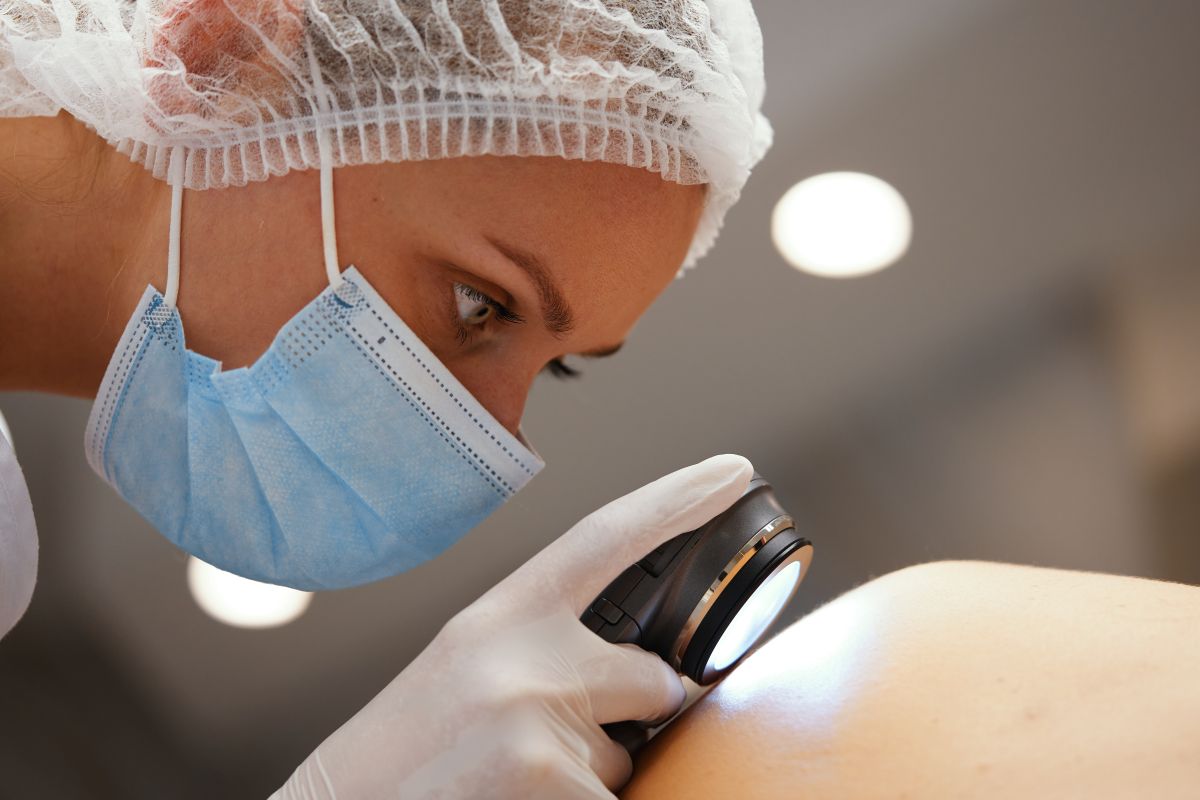
Melanoma is one of the most serious forms of skin cancer, and it’s been on the rise in recent years. According to the Skin Cancer Foundation, melanoma cases are projected to increase about 10.6% in 2026. That’s an increase of about 230,000 new cases. According to Dr. Daniel Condie of U.S. Dermatology Partners Plano, “Rising melanoma rates highlight a critical need for increased awareness around prevention and early diagnosis. With consistent sun protection and regular skin cancer screenings, we’re able to detect melanoma early, when it is most treatable, and improve patient outcomes.” In this blog, Dr. Condie answers frequently asked questions like what is melanoma, how is it treated, and can I prevent melanoma?
What Is Melanoma?
Melanoma is a type of skin cancer that forms in melanocyte cells. These pigment-producing cells give skin its coloring. This response when exposed to sunlight leads to a cellular response designed to protect skin from sun’s UV radiation, which leads to the two most common types of sun damage: sunburns and suntans. In addition to these immediate changes in skin’s appearance, the sun can also damage melanocyte DNA, which leads to uncontrolled replication that forms melanoma lesions. Dr. Condie says, “Melanoma is less common than other types of skin cancer, like basal cell carcinoma and squamous cell carcinoma, but it is responsible for a disproportionately higher number of deaths related to skin cancer. This might sound scary, but melanoma is very treatable in the early stages. The earliest stage is called melanoma in situ, and this form of skin cancer is the most easily treatable before it can spread to surrounding tissues and other parts of the body. The process of cancer spreading is called metastasis. For melanoma that has not metastasized, the five year melanoma survival rate is 99% with treatment. Survival rates drop once cancer spreads, so it’s important to let your dermatologist evaluate any concerning lesions right away.”
Why Are Melanoma Cases Increasing?
While dermatologists like Dr. Condie have done their best to educate patients about ways to prevent skin cancer, recent melanoma numbers are trending up. That leaves many wondering why. Below, we discuss some of the reasons why melanoma cases are on the rise:
- Demographics – people are living longer, which is great news, but this also means an increase in skin and whole-body health concerns, including cancers like melanoma.
- Increased UV exposure – sun damage is cumulative, so if individuals have a greater amount of lifetime sun exposure, they are significantly more likely to develop melanoma. Having one or more severe sunburns in childhood or adolescence significantly increases risk for skin cancer later in life.
- Renewed popularity of indoor tanning – tanning is the norm for many people. It can be especially popular for teens and young adults. However, research indicates that, with regular use of a tanning bed, melanoma risk increases exponentially. Melanoma risk may be as much as three times higher for individuals who use tanning beds since the UV light in these beds are more intense, and they penetrate deeply into skin, causing significant damage.
- Increased detection – there is now more awareness and routine skin cancer screenings have led to increased identification of melanoma, especially in its earliest stages.
Common Causes and Risk Factors
It’s important to understand common causes and melanoma risk factors to reduce risk for developing melanoma. The cause of melanoma skin cancer is exposure to the sun’s UV rays. While anyone can develop melanoma, there are some factors that increase risk, including:
- Excessive UV exposure – prolonged UV radiation and the cumulative effects of lifetime sun damage increase melanoma risk.
- Indoor tanning – using an indoor tanning bed with the intense UV emissions, especially in adolescents and younger adults, can lead to melanoma development.
- Genetics – those with pale skin, light hair, and freckles are at greater risk for melanoma, especially those with a family history of skin cancers.
- Numerous moles – those who have a large number of moles are more likely to develop melanoma as these growths develop into melanoma or make it more difficult to recognize in the early stages.
Less Common Types of Melanoma
Melanoma typically develops on sun-exposed areas of skin, but there are less common types of melanoma that develop in areas that receive less sun exposure, including:
- Acral lentiginous melanoma – this type of melanoma develops on the hands and feet. It may even hide beneath fingernails and toenails, making it more difficult to diagnose. It is the most common subtype in people with darker skin, and because it develops in less visible areas, it may not be diagnosed until later stages.
- Mucosal melanoma – this form develops in the mucous membranes, including the mouth, nose, or genitals. Again, these areas are often overlooked in skin cancer self-exams, leading to later stage diagnosis.
- Ocular melanoma – this rare but serious form of melanoma impacts the eyes. It requires specialized treatment.
- Nodular melanoma – this form of melanoma grows more rapidly than other types, and rather than growing on the surface of skin it tends to grow deeper into skin’s layers. This means nodular melanoma is more likely to metastasize.
Signs and Symptoms of Melanoma
When it comes to recognizing the warning signs of melanoma, Dr. Condie says, “The best way to reduce risk for developing melanoma that reaches the advanced stages is to know the signs and symptoms and seek treatment as soon as possible. A new mole, changes to existing spots, or spots that look different than your other moles may be signs of melanoma, but the easiest way to identify early warning signs of melanoma is to learn your ABCDEs.”
- A – Asymmetry – one side of a lesion doesn’t match the other.
- B – Border – the outside edges of the mole are irregular.
- C – Color – a growth has multiple colors or is a different shade from other lesions.
- D – Diameter – the mole is over 6 mm in diameter, which is the diameter of a pencil eraser.
- E – Evolving – a mole changes in size, shape, color, or texture.
Melanoma Treatment Options
For those diagnosed with melanoma, dermatologists will develop a personalized treatment plan that depends on the size, location, and stage of the cancer. In the earliest stages, melanoma is treatable with minor procedures, but for more advanced cases, melanoma treatment may include a combination of dermatologic procedures to remove the growths and more advanced therapies performed in conjunction with oncologists, doctors who specialize in cancer treatment. Some of the common recommended treatments for melanoma include:
- Surgical excision – this procedure removes the tumor and a margin of surrounding tissue to ensure all cancer cells are removed. In the early stages, melanoma may be completely addressed with this procedure.
- Immunotherapy – more advanced melanoma has proven to be very responsive to immunotherapy. These treatments work by changing the way the immune system responds to cancer cells. For those who have advanced melanoma, this therapy improves outcomes.
- Targeted therapies – these innovative procedures block certain molecular pathways that contribute to tumor growth. These medications can slow or stop melanoma growth in advanced melanoma.
- Chemotherapy and radiation – at the most advanced stages, radiation or chemotherapy may be used to address melanoma that has metastasized to other parts of the body.
How to Prevent Melanoma
When it comes to melanoma skin cancer prevention, there are numerous daily steps patients can take to reduce risk of developing melanoma, including:
- Daily sunscreen application – it’s essential that individuals apply broad-spectrum sunscreen of SPF 30 or higher daily even if it’s cloudy or they won’t be outdoors for the majority of the day. Sunscreen should also be reapplied at least every two hours when outdoors.
- Take breaks from the sun – it’s important to reduce time outdoors between 10 am and 4 pm when the sun’s rays are strongest. If you need to be outdoors during this time, take breaks inside or in the shade to minimize exposure.
- Protective gear – hats, gloves, sunglasses, and long sleeves and pants can be worn to block out some of the sun’s damaging rays. There are even clothes made from fabrics specially designed to reduce UV exposure.
- Don’t use tanning beds – indoor tanning is a dangerous habit. Having bronzed skin isn’t worth the potential risks associated, so it’s best forego tanning altogether.
When to See a Dermatologist
Dermatologists are skilled professionals who have advanced training to identify concerning skin changes and differentiate between developments that are benign and those that indicate something more serious. It’s recommended that patients seek dermatologic care in the following situations to ensure early diagnosis and treatment:
- A new mole or lesions appears.
- An existing mole or lesion begins to change in size, shape, texture, or general appearance.
- Fast growth or evolution of moles and growths.
- Lesions that don’t heal.
- Spots that bleed, itch, or are painful.
- It’s time for an annual skin cancer exam.
Prevention Is Key to Countering Increased Melanoma Rates
In conclusion, Dr. Condie says, “Between learning the dangers of tanning bed use, minimizing sun damage, and performing regular skin cancer checks at home, I remind my patients they have the power to make a real difference in lowering their risk for melanoma and ensuring they receive diagnosis and treatment in the earliest stages. I strive to empower patients to understand why melanoma develops and how they can minimize risk for melanoma.”
Schedule a Skin Cancer Screening
Whether you’ve just noticed a worrisome new or changing lesion or you want to schedule an annual skin cancer screening, U.S. Dermatology Partners has you covered. Requesting an appointment with one of our board-certified dermatologists is as simple as taking a few moments to complete our online request form. We look forward to hearing from you.
Find a location near me
or