
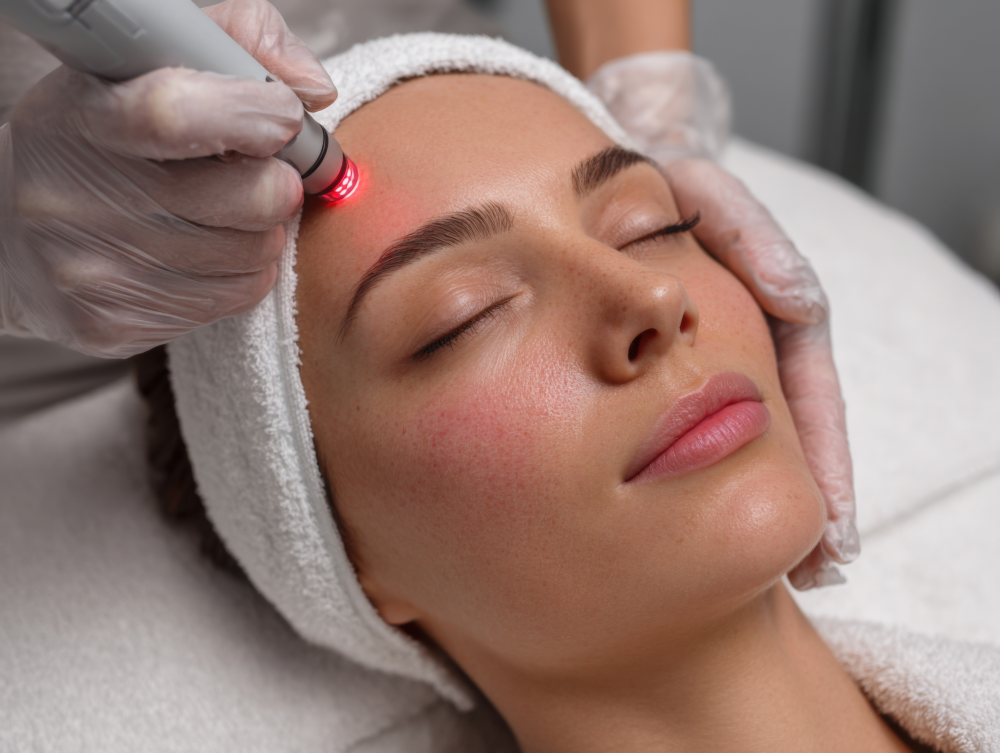
Laser treatments are a popular way to rejuvenate the skin—helping smooth texture, even skin tone, and boost overall radiance with minimal discomfort and recovery time. According to Dr. Jennifer Sawaya of U.S. Dermatology Partners Scottsdale, “Laser treatments offer exceptional results to achieve a range of skin health and cosmetic dermatology goals, so I recommend these treatments frequently. One concern that patients may be hesitant about is skin redness, which is a common side effect of laser treatment. However, with the right laser treatment and a carefully developed aftercare plan, redness can be minimized while the advantages of laser therapy are maximized.” In this blog, Dr. Sawaya walks through basic laser treatment aftercare steps, emphasizing best practices to reduce redness following laser procedures.
Why Redness Happens After Laser Treatments
Laser treatments work by delivering laser energy into specific targets of the skin. This may include targeting redness, pigmentation, or resurfacing of the skin’s surface or deeper layers. This creates microscopic injuries to skin that trigger a response from the body to remove these damaged cells and replace them with new, healthy skin cells. This is the beneficial part of the healing process. Unfortunately, skin healing also includes side effects like skin inflammation and redness. Specifically, blood vessels dilate following laser treatment to increase the circulation and allow healing nutrients and oxygen to be delivered to the damaged area. The increased vascularity gives skin a red appearance. For most laser treatments, this is the underlying cause of redness, which typically resolves within a few days. Deeper or more intense laser treatments can cause redness that takes longer to resolve. Keep in mind that this skin redness is an important indicator that skin is healing. Understanding the healing process and establishing a laser aftercare routine reduces redness and other side effects of laser therapy.
To reduce redness following laser therapy, Dr. Sawaya says, “It starts with understanding why laser treatments cause redness. The pink to red skin tone following laser therapy will vary in severity based on skin type and sensitivity, type of laser, and the depth the laser waves penetrate skin’s layers. Your dermatologist should walk you through different laser treatment options and other potential procedures to achieve your desired results as well as side effects and healing time before beginning treatment. Don’t hesitate to ask questions to get the clarification you need to move forward with confidence.”
Day One: Immediate Post-Treatment Care
Before you leave the office following laser procedures, your dermatologist should walk you through the best skincare after laser treatment to ensure a quick and complete recovery. Sensitive post-procedure skin requires gentle care and hydration as it heals. Below, Dr. Sawaya outlines skincare steps for the first 24 hours following laser therapy:
- Cold compresses – cold constricts blood vessels, which calms skin and minimizes swelling and redness. This is often done in the office directly following the procedure. Depending on the procedure, you may be recommended to continue this care at home and apply sterile gauze or clean washcloth soaked in cool water to the treated area for 10-15 minutes. Remove and repeat the process as needed approximately every 3-4 hours. Avoid ice or extreme cold as this can damage treated skin.
- Gentle cleanser – clean skin with a gentle, fragrance-free cleanser. Avoid any harsh ingredients like alcohol or exfoliants. Use fingertips to gently apply cleanser to damp skin and use cool or lukewarm water to rinse thoroughly. Then, carefully pat dry with a clean towel.
- Moisturize – sensitive, healing skin needs hydration. Laser treatment damages and weakens the skin’s protective barrier and allows moisture to seep out, so moisturizer becomes more important to prevent skin dryness as it heals. Look for soothing moisturizers without fragrances and other added ingredients. Depending on the laser procedure performed, this may be an occlusive ointment such as Vaseline or a barrier repairing gentle moisturizer.
- Avoid heat – while cold constricts blood vessels and reduces redness, heat dilates blood vessels. This increases skin redness, so it’s important for the first 24-72 hours to avoid hot showers or baths, saunas or hot tubs, intense exercise, and even cooking over hot stoves or grills.
The Following Days: Protect + Calm
In the days to weeks following treatment, Dr. Sawaya says, “You should be able to resume your daily routine. During this time period, however, continue to take proactive skincare steps and use recommended soothing products for redness and skin reactivity following laser therapy.” Below, Dr. Sawaya walks through skincare recommendations for the first weeks following laser treatment.
- Continue cold compresses as needed – if you notice continued swelling, redness, heat, or irritation, you can continue to use cold compresses as needed.
- Apply topical steroids as directed – for some, a low potency topical steroid such as 1% hydrocortisone cream, can be applied to treated areas to reduce inflammation and redness. However, it’s only recommended for short-term use, and it shouldn’t be applied to thin or sensitive areas of skin. Always discuss using hydrocortisone cream with your dermatologist before incorporating into your routine.
- Stay sun safe – following laser therapy, skin is more vulnerable to sun damage, so it’s important to limit exposure to the sun’s UVA and UVB rays. Wear hats and sunglasses to shield the face and apply broad-spectrum sunscreen with an SPF of 30 or higher before leaving home. A mineral sunscreen with active ingredients like zinc oxide or titanium dioxide will be less likely to irritate post-procedure skin than chemical sunscreens.
- Be patient – while laser treatment does have minimal downtime for healing, there will still be potential side effects, including redness, inflammation, and skin flaking and peeling. Once these symptoms subside, the results are well worth the short-term disadvantages.
Products & Ingredients That Help Soothe Redness
In addition to these specific steps to care for skin following laser treatment, keep the following dermatologist aftercare tips in mind:
- Add anti-inflammatory ingredients – look for niacinamide (vitamin B3) to reduce redness, green tea extract to soothe inflammation, hyaluronic acid to pull moisture to skin, and aloe vera to cool. These anti-inflammatory ingredients are often found in moisturizers, serums, and facial masks.
- Skip harsh ingredients – while there is a place in skincare routines for abrasive ingredients like exfoliants, retinols, alpha and beta hydroxy acids, and vitamin C, these ingredients can be harsh, leading to increased skin irritation and redness. Skip products with these ingredients until approved by your dermatologist.
- Use pain relievers as instructed – over-the-counter pain relievers like acetaminophen or ibuprofen can reduce any discomfort and inflammation in the first few days following laser treatment. However, avoid aspirin, which thins blood and increases bleeding and bruising risk.
When to Contact Your Dermatologist
Contact a dermatologist immediately to receive skin treatment for redness lasting more than your dermatologist indicated or if you experience more severe side effects, including:
- Increasing pain or skin sensitivity.
- Swelling and inflammation that worsens.
- Signs of infection, like pus or skin that feels hot or crusts over.
- Bleeding, peeling, or skin thickening.
- Any unexpected side effects should be brought to your dermatologist’s attention.
Popular Laser Treatments at U.S. Dermatology Partners
According to Dr. Sawaya, “Choosing the right procedure is key to calming skin post-laser treatment. During a cosmetic dermatology consultation, you can explore your options as well as the variety of side effects and symptoms you can expect. While there are numerous, customizable laser systems in use, I often recommend HALO Laser Resurfacing, CO₂ Laser Resurfacing, Fraxel, or Clear + Brilliant Laser Treatment.”
Fraxel and HALO® Laser Resurfacing
There are two main forms of laser treatment: ablative and non-ablative. Ablative treatments are more intense. Recovery following ablative laser therapies takes longer, and symptoms may be more intense. Non-ablative lasers only impact the outer layers of skin, which means symptoms are mild and take less time to heal. Fraxel Laser is a non-ablative laser that works very well for skin texture such as lines and wrinkles, and sun damage. HALO Laser Resurfacing is an innovative laser treatment option that combines both ablative and non-ablative wavelengths. Depending on needs in specific areas, surface and deeper layers of skin are targeted by the HALO laser system. Because the laser resurfacing tool can be used so precisely, downtime and symptoms following treatment are minimized. HALO and Fraxel laser recovery typically takes about one week.
Learn more about HALO® Laser Skin Resurfacing.
CO₂ Laser Resurfacing
For deeper results, CO₂ Laser Resurfacing offers more dramatic results. This gold-standard in deep laser rejuvenation utilizes ablative lasers to remove the outer layers of damaged skin and stimulates healing as well as collagen and elastin production deep beneath skin’s surface. The treatment is ideal for those who want to improve the appearance of deep wrinkles, acne scars, and advanced sun damage. The more intense ablative laser treatment means more redness and a two-week recovery. In addition to skin redness, flaking and discomfort are common side effects. A dermatologist can provide an aftercare plan to minimize redness and improve healing after laser resurfacing.
Learn more about CO₂ Laser Resurfacing.
Clear + Brilliant® Laser Treatment
The Clear + Brilliant Laser Treatment process is great for first-time laser treatment or maintaining the results of other cosmetic dermatology solutions, including more advanced laser procedures. Keep skin glowing with this non-ablative laser treatment option. Clear + Brilliant aftercare is minimal, and most people don’t see any additional skin redness after the first 24-72hours.
Learn more about Clear + Brilliant® Laser
Minimize Post-Procedure Redness and Look Your Best
When it comes to managing redness after laser treatments, Dr. Sawaya concludes, “There will likely be some skin redness after a laser dermatology procedure even with the best aftercare plan. The good news is that this side effect is temporary, and it’s a good sign that your skin is healing. Follow your dermatologist’s directions for how to reduce redness after laser treatment, and look forward to the transformative results that will follow after your skin heals.”
Schedule a Laser Therapy Consultation at U.S. Dermatology Partners
Ready to learn more about laser treatment or other cosmetic dermatology solutions? Take a few moments to schedule a consultation with a board-certified dermatologist at U.S. Dermatology Partners. We make it easy to get started. Whenever you’re ready, just complete our scheduling request form online. A local team member will be in touch soon to finalize the details of your upcoming visit.
Find a location near me
or