
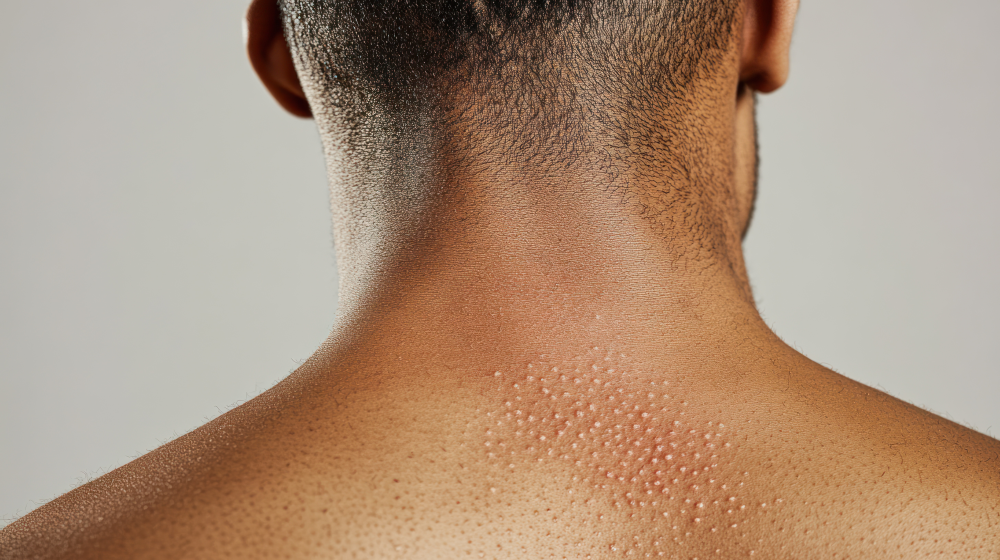
Keratosis pilaris, which you may hear referred to simply as KP, is a common, benign skin condition that is frequently treated by dermatologists. According to Dr. Edgar Martinez of U.S. Dermatology Partners Plano, “Many of my patients with keratosis pilaris may be unhappy with the appearance of bumps and the rough feeling of their skin. Others even have itch or irritation in the affected areas. For patients with skin of color, KP bumps are often firmer and can cause hyperpigmentation, so they can be especially frustrating. The good news is there are simple steps that decrease the appearance of KP bumps and improve skin’s texture.” In this blog, Dr. Martinez offers a comprehensive guide to managing keratosis pilaris, with a special emphasis on what individuals with melanin-rich skin should know. He answers common questions like what is keratosis pilaris and which skincare products and treatments may help?
What Is Keratosis Pilaris?
Keratosis pilaris is a benign skin condition that impacts a large percentage of adolescents (between 50% and 80%), but it also affects as much as 40% of the adult population. While it can develop on any part of the body, KP is most common on the upper arms, thighs, and cheeks. The most common symptoms are small, rough bumps on the skin that may be itchy. KP typically appears as clusters of dry, bumpy “chicken skin” around hair follicles. In most people, keratosis pilaris improves with age. For those with darker skin tones, the post-inflammatory hyperpigmentation can continue or get worse with age even if other KP symptoms improve.
The cause of KP is an accumulation of keratin inside hair follicles. This protein is a necessary part of skin. It’s a component of the protective barrier that protects the body from external aggressors and retains moisture. In KP, excess keratin isn’t shed naturally. Instead, it forms a plug that causes the bumpy, dry, uneven skin that is characteristic of KP. There is not a known underlying cause of KP, but risk factors for the condition include:
- Genetic predisposition (one or more family member with this condition).
- Living in low humidity areas.
- Cold, dry weather.
- Skin friction from clothing, seat belts, bag straps, scrubbing skin, or other sources.
- Those with eczema often develop cooccurring keratosis pilaris, especially if eczema is poorly managed.
How KP Appears on Skin of Color
While skin of color shows many of the common symptoms of KP, keratosis pilaris on black skin or darker skin tones also presents unique symptoms. Specifically, common KP symptoms in skin of color include:
- Brown, gray, or black bumps.
- Bumps that are not typically red or inflamed.
- Less obvious appearance and symptoms that blend in with natural skin tone.
- Worsening skin dryness around KP bumps.
- Post-inflammatory hyperpigmentation.
- May be mistaken for acne, eczema, or folliculitis
Challenges in Diagnosis
Skin redness is one of the most common differentiating symptoms of keratosis pilaris that makes diagnosis easier. However, this symptom is minimal or not present at all in people of color. According to Dr. Martinez, “Diagnosing keratosis pilaris in those with darker skin can be more challenging. Side effects of KP really vary from person to person and across the spectrum of skin tones. It’s important to work with a dermatologist who is familiar with the ways that KP impacts people with light skin as well as darker skin tones.”
Safe Treatment Options for Skin of Color
For those with darker skin tones, treatment for KP should be gentle, consistent, and take special care to avoid hyperpigmentation triggers. Dr. Martinez emphasizes, “There is no cure for KP. Instead, KP is a lifelong condition that requires consistent care to effectively manage symptoms.” Treatment for keratosis pilaris should include the following dermatologist-recommended steps that are safe for melanin-rich skin:
Gentle Exfoliation
Physical exfoliants like sugar scrubs can cause irritation and increase risk for hyperpigmentation. However, exfoliation is essential to remove the dead skin cells that build up to form keratin plugs. Exfoliants with urea, lactic acid, or salicylic acid are highly recommended for those with KP:
- Urea – a moisturizer at low concentrations, this ingredient exfoliates skin in higher concentrations. At a 30% to 40% concentration, urea softens keratin plugs without causing dryness or skin irritation.
- Lactic acid – a mild alpha hydroxy acid (AHA) that gently removes dead skin and softens KP plugs. Lactic acid is often recommended over similar glycolic acid exfoliants because it is less irritating and boosts skin hydration.
- Salicylic acid – this beta hydroxy acid (BHA) is typically recommended for KP on the body. It reduces inflammation and penetrates into follicles, allowing it to more effectively breakdown keratin plugs.
Brighten Skin
Post-inflammatory hyperpigmentation is one of the most common conditions in people of color, and it’s a big concern for KP sufferers who have darker skin tones. Utilizing the right products to brighten skin can create a more even skin tone without irritation. Some of the recommended skincare ingredients to brighten skin include:
- Niacinamide – skincare products with niacinamide offer numerous benefits for people of color, including reducing hyperpigmentation, boosting skin barrier strength and moisture retention, and diminishing inflammation.
- Thiamidol – this targeted brightening ingredient is clinically proven to reduce the appearance of hyperpigmentation by inhibiting tyrosinase, a key enzyme involved in melanin production. It helps visibly fade dark spots, even skin tone, and prevent the reappearance of discoloration with consistent use.
Moisturize Consistently
Moisture is key to improving the side effects of KP. For skin of color, dryness, irritation, and damage related to KP increases risk for hyperpigmentation, making skin hydration even more important. Moisturizers should be applied at least twice a day and always after showering. Moisturizers with ceramides, shea butter, dimethicone, hyaluronic acid, and glycerin are all good options for KP patients. A dermatologist can help you find the right moisturizer, depending on your specific KP symptoms and skin hydration needs.
At-Home Routine Tips
When it comes to caring for KP-impacted skin, a good at-home skincare plan and a few small changes to your daily routine are often enough to manage this condition. Some basic at-home skincare routine tips for those with KP include:
- Avoid very hot water – use lukewarm water when cleansing. Very hot water will strip away the body’s natural oils. Sebum oil is produced by the body’s sebaceous glands to keep skin hydrated and soft and improve the elasticity of the skin’s protective barrier. When these oils are stripped away, skin may feel dry and brittle. For those with KP, hot water leaves bumps feeling rough, dry, and more likely to be irritated.
- Shorten showers – try to keep showers to be about ten minutes. This is for the same reason that lukewarm water is recommended. Long, hot showers strip natural oils, dehydrating and drying skin.
- Moisturize after cleansing – after showering, apply a deep-hydrating moisturizer. This traps moisture and keeps skin softer and more hydrated.
- Don’t scrub – it may seem counterintuitive, but scrubbing skin with KP can worsen flareups in this condition. Use a soft cleansing cloth rather than abrasive loofahs.
- Choose products carefully – avoid skincare products that have fragrances, dyes, parabens, and harsh chemicals. These can irritate skin and increase risk for post-inflammatory hyperpigmentation.
- Stay consistent – one of the biggest KP frustrations is that it takes several weeks of consistent care to see results. It’s important to find a treatment plan and stick with it for at least two months. Hyperpigmentation related to KP can take even longer to improve. Stick with it and talk to a dermatologist if you don’t think your treatment plan is working.
When to See a Dermatologist
According to Dr. Martinez, “If keratosis pilaris-affected skin doesn’t respond to at-home care, it’s itchy or irritated, or you want professional advice and guidance, don’t hesitate to schedule a dermatology consultation. Even if you just want advice on your skincare products or tips to improve your routine, reach out. Dermatologists are here to support all skin health needs.” While KP may be well-managed at-home, there are some scenarios where visiting a dermatologist is necessary, including:
- If you’re unsure about the KP diagnosis.
- When consistent treatment for two or more months doesn’t improve KP symptoms.
- If KP bumps are inflamed, itchy, or painful.
- Developing dark spots of hyperpigmentation.
Consult a Dermatologist for KP Management & Treatment
It’s essential to remember that KP is very common and highly treatable. Even though skin of color presents unique challenges, the right dermatologist will partner with you to achieve and maintain clear, healthy skin. If you’re ready to schedule an appointment with a board-certified dermatologist, take a few moments to complete a scheduling request. One of the local U.S. Dermatology Partners team members will be in touch to finalize the details of your upcoming visit. Our dermatology team looks forward to supporting you as you determine what at-home and in-office treatments you need.
Find a location near me
or