
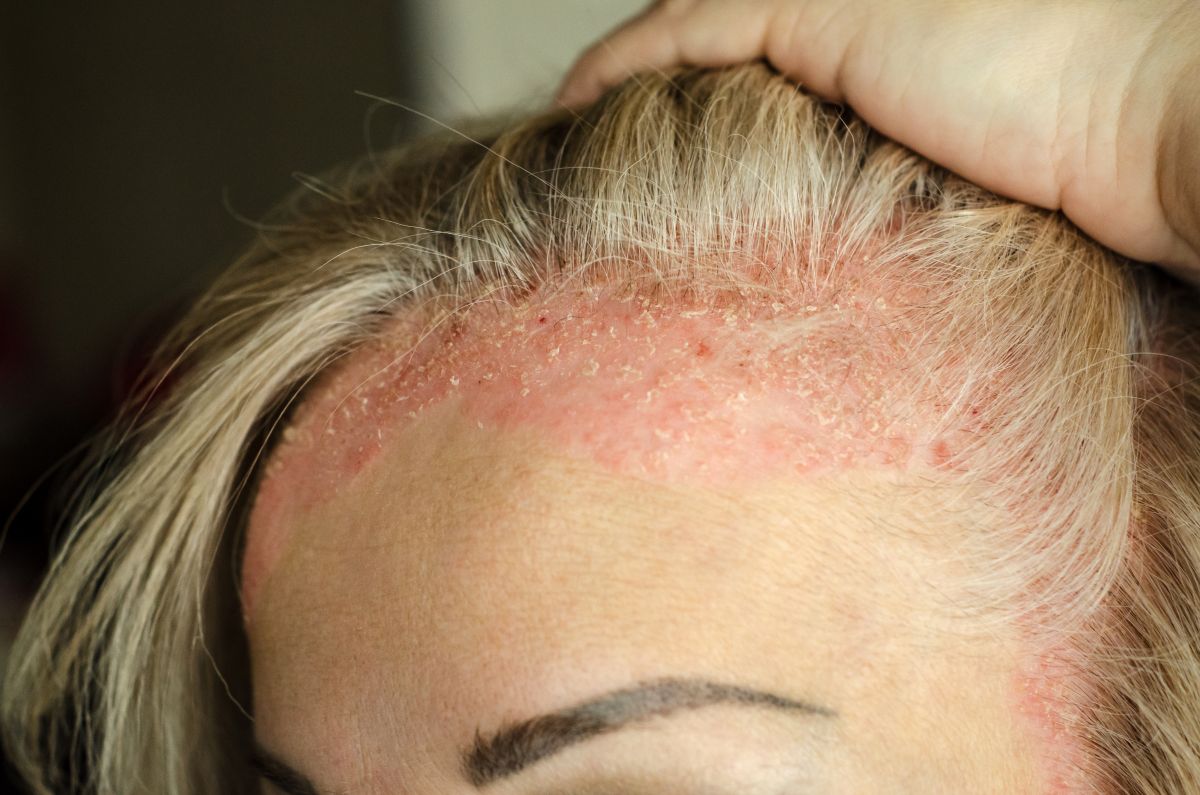
If you’ve just started to develop flaky, red patches on the face, you may be concerned, frustrated, or a little embarrassed, however, it may be a benign skin condition called seborrheic dermatitis. According to Dr. Jenna Koblinski of U.S. Dermatology Partners Phoenix, “Because seborrheic dermatitis develops on some of the most noticeable areas of the face, like the eyebrows, nose, and hairline, many patients are concerned about how visible symptoms of this condition are. For those with seborrheic dermatitis, the good news is that this condition is relatively harmless, and it responds well to simple treatments. Although rare, seborrheic dermatitis can be associated with another condition, so appropriate evaluation by a dermatologist is important.”
In this blog, Dr. Koblinski discusses potential causes of red, flaky patches on the face, recommended treatment options, and how to manage seborrheic dermatitis symptoms.
What Are Red, Flaky Patches on the Face?
Skin redness, flaking, and inflammation are common symptoms of many different skin conditions, including rashes, dry skin, fungal infections, contact dermatitis, eczema, psoriasis, and rosacea. The difference is in the underlying cause of skin redness and how these conditions should be treated. While many skin health issues have similar or overlapping symptoms, a dermatologist can accurately diagnose the underlying causes and direct you to the best treatment options to manage your specific skin health concerns.
What Is Seborrheic Dermatitis?
Seborrheic dermatitis is a chronic, inflammatory skin condition that impacts areas of the body with large amounts of sebaceous glands. These glands produce skin’s naturally hydrating oil, which is called sebum. Areas commonly impacted by seborrheic dermatitis include the hair line, ears, eyebrows, eyelids, sides of the nose, and beard. When excess sebum is produced in these areas and combines with a disruption or injury to skin’s natural protective barrier, it triggers overproduction of naturally occurring yeast. This excess yeast growth triggers a seborrheic dermatitis flareup that causes a range of symptoms, including redness, skin flaking, and thickening or scaling skin. While seborrheic dermatitis can’t be cured, flareups can typically be minimized with targeted dermatologic treatments and improved at-home skincare routines.
Common Symptoms of Seborrheic Dermatitis
Seborrheic dermatitis may have a slightly different appearance, depending on individual skin tone and texture. Some of the most common symptoms of seborrheic dermatitis include:
- Patches of red or pink skin that may appear inflamed or irritated.
- Flaky skin that may appear white or yellow in tone. Unlike dry skin, this flaking may continue or return after moisturizing.
- Scaling or thickened patches of skin that may look like dry skin or waxy scales stuck to the face.
- Mild itching and irritation. Most people describe the sensation as sensitivity or tingling more than itching.
Seborrheic Dermatitis vs. Rosacea vs. Eczema
When it comes to differentiating between common causes of red, flaky skin, Dr. Koblinski says, “Many inflammatory skin conditions share overlapping symptoms, which is why patients often confuse seborrheic dermatitis, rosacea, and eczema, especially when they affect the face. As dermatologists, we’re trained to recognize the subtle differences between these conditions and make an accurate diagnosis. While noting certain patterns and symptoms can be helpful, a professional evaluation is the most reliable way to identify the underlying cause and guide effective treatment.” Below, Dr. Koblinski breaks down the main differences between these three conditions.
| Condition | Common Signs & Symptoms | Typical Sensations | Common Areas Affected | Key Distinguishing Features |
| Seborrheic Dermatitis | Red or pink patches; flaky, scaly, or greasy skin | Mild to moderate itching | Oil-producing areas such as the eyebrows, sides of the nose, hair line, ears, and beard area | Greasy or yellowish scales in oily zones; dandruff-like flaking |
| Rosacea | Persistent facial redness; frequent flushing; visible blood vessels; possible acne-like bumps | Skin may feel hot, stinging, or sensitive | Central face (cheeks, nose, forehead, chin) | Background redness and flushing with visible capillaries; no thick, greasy scales |
| Eczema (Atopic Dermatitis) | Very dry, rough skin; may crack, ooze, or thicken | Intense itching | Can affect the face and other body areas; not limited to oily zones | Drier, itchier patches; often linked with allergies or asthma; less focused on oil-rich areas |
Gentle Skincare Tips for Relief
To alleviate flaky skin on the face and other symptoms, Dr. Koblinski says, “The most important thing you can do for your skin if you notice symptoms of seborrheic dermatitis, eczema, and rosacea, is to contact a dermatologist to receive a diagnosis and a personalized treatment plan. Maintaining a gentle, calming skincare routine is a good first step.” Below, Dr. Koblinski provides gentle skincare tips to alleviate seborrheic dermatitis symptoms.
- Use a gentle cleanser – select a cleanser free from dyes, fragrances, and other harsh ingredients. This reduces risk for skin irritation and inflammation.
- Skip the exfoliants – physical scrubs and chemical exfoliants can cause microscopic injuries to skin’s protective barrier, which worsens skin sensitivity, redness, and flaking.
- Avoid drying alcohol – toners and other products that contain alcohol as an active ingredient are very drying. This can lead to higher levels of irritation, itch, and flaking.
- Keep skin hydrated – apply a light-weight moisturizer to support the skin’s protective barrier and balance the development of sebum oil to prevent greasiness.
- Don’t over-wash – cleansing skin too frequently disrupts the skin’s natural oil production, cell rejuvenation, and healing processes. This increases inflammation, redness, and itching.
- Stick to the basics – there’s a time and place for serums and other products, but for those with red, flaky skin, stick to a simple routine with a gentle cleanser, appropriate topical treatments, moisturizer, and sunscreen.
Treatment Options for Red Patches on the Face
There are a number of factors that impact the recommended treatment for red patches on the face, including specific diagnosis, location, and symptom severity. According to Dr. Koblinski, “Skin on the face is sensitive. Long-term use of treatments for red, flaky skin can cause their own side effects or increase the frequency of flareups. A dermatologist can help you find the right products and ensure maximal efficacy.” For seborrheic dermatitis, dermatologists will often recommend a combination of treatments, including:
- Over-the-counter treatments – when appropriate, a dermatologist may recommend products originally designed for dandruff to reduce yeast production. Additionally, anti-inflammatory creams and barrier repair products may be used to alleviate itch and irritation.
- Prescription products – topical antifungal and/or anti-inflammatory treatments may be prescribed to address more severe cases.
- Dermatologic procedures – targeted treatments to control symptoms may be recommended on an individual basis, depending on severity and location of symptoms.
When to See a Dermatologist
If you have seborrheic dermatitis that has previously been diagnosed, you may not need to see a dermatologist for every flareup. However, it’s essential to contact a dermatologist if you notice any of the following:
- Itchy red patches spreading to new areas.
- Symptoms that don’t improve with consistent skincare.
- Worsening skin redness, thickening, or discomfort.
- Painful or burning skin.
- Frequent flareups that negatively impact quality of life.
Seborrheic Dermatitis Is Common & Manageable
Offering final thoughts, Dr. Koblinski says, “Facial rash, redness, irritation, flaking, and other symptoms of seborrheic dermatitis can be frustrating. The good news is seborrheic dermatitis is benign, not contagious, and it responds well to treatment. Flareups may occur periodically, but with an accurate diagnosis and treatment plan, symptoms are manageable.”
Schedule a Consultation with a Knowledgeable Dermatologist
If you notice symptoms of seborrheic dermatitis or other conditions that cause red, flaky skin, don’t put off scheduling your consultation with a trusted dermatologist. To get started working with a local U.S. Dermatology Partners practice, take a few moments to complete our scheduling request form. We look forward to hearing from you.
Find a location near me
or