
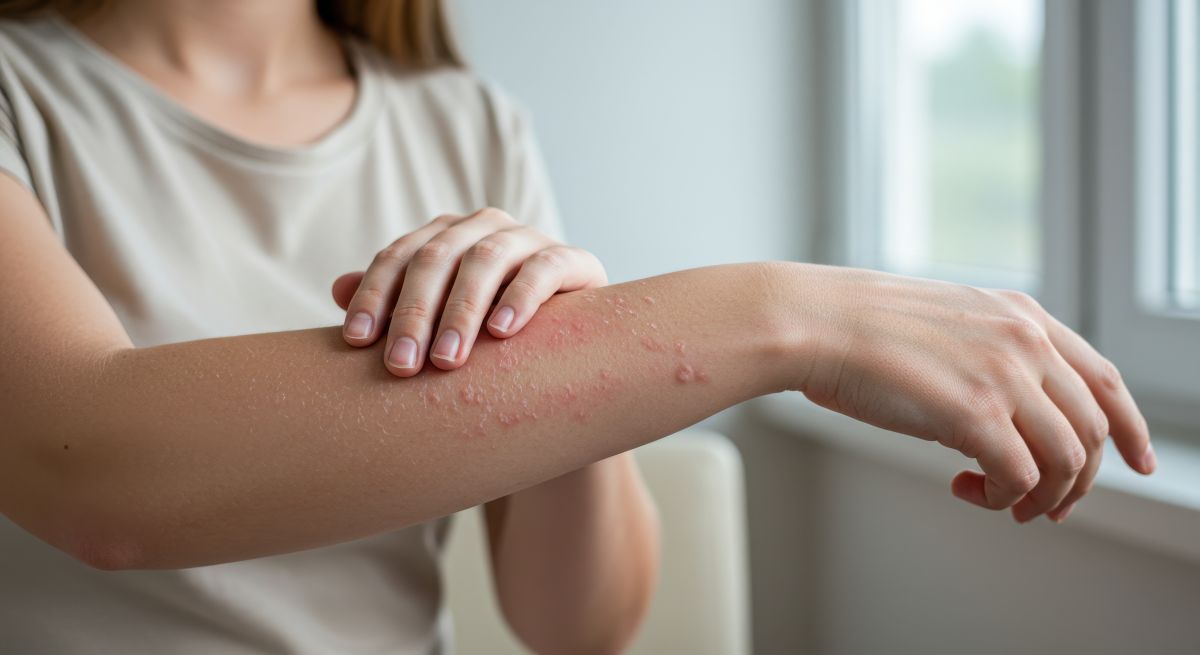
For those who deal with dry, rough, or bumpy skin, there are numerous underlying causes that may lead to these skin concerns. Understanding the cause is the best way to develop a treatment plan. According to Dr. Jenna Koblinski of U.S. Dermatology Partners Phoenix, “Many people think sandpaper-like skin just means they need to use a better moisturizer. While that might help, determining the cause of the bumpy, dry skin is essential to create a treatment plan that works.” In this blog, Dr. Koblinski breaks down many common underlying causes of dry, bumpy skin and how to treat milia, keratosis pilaris, and other common skin conditions that lead to these symptoms.
Common Causes & Skin Conditions Behind Bumpy Skin
While there are chronic skin conditions linked to these side effects, the basic underlying causes are typically blocked pores, dryness, inflammation, and compromised skin barrier. These issues cause skin texture changes, itching, and discomfort. Below, we’ll explore some of the chronic skin conditions that lead to dry-bumpy skin and how to manage these conditions.
Keratosis Pilaris (KP)
Keratosis pilaris, sometimes referred to simply as KP, is a very common cause of bumpy skin. The main symptom is the development of clusters with flesh-colored bumps. They frequently appear on the cheeks, upper arms, thighs, and buttocks. Bumps associated with KP aren’t usually itchy, inflamed, or painful. They can make skin look uneven and feel gritty like sandpaper. This skin condition occurs when the protein keratin builds up. Over time, this can block hair follicles and prevent the natural shedding of skin. This causes tiny, hard bumps on the surface of skin. According to Dr. Koblinski, “KP is oftentimes considered a variant of normal skin. It’s harmless, but many people don’t like the way it makes their skin look or feel. For this reason, it’s important to consult with a dermatologist to develop a skin routine focusing on hydration and exfoliation to improve the texture and appearance of KP.”
Treatment Options:
KP is not harmful or contagious, but it can be frustrating. However, consistently following the skincare tips below can improve symptoms of keratosis pilaris on the face, arms, and other parts of the body:
- Exfoliate – use a gentle, chemical exfoliant a few times a week to dissolve and loosen keratin plugs.
- Moisturize – look for a moisturizer with urea, lactic acid, or salicylic acid. These ingredients soften and hydrate skin while promoting cell turnover.
- Take care when bathing – don’t use very hot water or harsh soaps when bathing. These can strip moisture from skin, making KP worse.
- Be consistent – it takes time and consistent treatment to improve KP symptoms. This condition doesn’t improve overnight, so it’s important to stick with your care and treatment plan.
Milia
Pearly bumps under the skin on the face, usually around the eyes, nose, or cheeks, may be milia. They are clusters of very small cysts that feel firm to the touch. Milia aren’t pimples, and they won’t pop if squeezed. Similar to blemishes, they form when dead skin cells get trapped beneath skin’s surface instead of shedding. The underlying cause of milia may be the use of thick skincare products or cosmetics, injuries, rashes, or sun damage. Anyone can develop milia, including newborns. Dr. Koblinski says, “Attempting to pop milia is one of the biggest mistakes patients make. Milia develops deep beneath the skin, so attempting to pop them may lead to inflammation or scarring. Talk to your dermatologist about extraction or other treatments.”
Treatment Options:
Milia usually resolves on their own, but they can be persistent. Dermatologist-recommended treatment options for milia include:
- Extraction – rather than attempting to pop at home, dermatologists use sterile tools to safely extract milia.
- Retinoids – using topical retinols or prescription retinoid products to encourage skin cell turnover to prevent new milia from forming.
- Exfoliation – gentle exfoliating acids reduce buildup in pores to clear up milia and prevent the formation of new ones.
- Avoid heavy products – skincare and cosmetic products that are thick or cakey can trap dead skin cells, increasing risk for milia formation.
Eczema (Atopic Dermatitis)
One of the most common skin conditions linked to dry, bumpy skin is eczema, which may also be called atopic dermatitis. While milia and keratosis pilaris don’t cause any discomfort, eczema can be as uncomfortable as it looks. Itching and inflammation are common for eczema sufferers. Side effects of eczema may develop on any part of the body, but they are most common in the creases of skin like the bends of elbows and knees as well as on the hands and face. The cause of eczema is dysfunction in the skin barrier coupled with chronic inflammation. The skin’s protective barrier doesn’t retain moisture, and it allows irritants to penetrate the outer layers of skin. When irritants and allergens break through the protective barrier, it triggers inflammation and itching. When it comes to eczema, Dr. Koblinski says, “Because eczema is a chronic condition, it requires consistent treatment and care to prevent and manage flareups. The goal of skincare for those with eczema is to keep the skin barrier healthy to prevent irritation and inflammation.”
Treatment Options:
Eczema requires ongoing management to prevent flareups. Common dermatologist treatment recommendations include:
- Topical medications – steroids or non-steroidal anti-inflammatory creams may be prescribed or purchased in lower concentration over the counter to help calm skin and reduce inflammation.
- Moisturize – skin dryness is a common side effect of eczema, and it also increases risk for a damaged skin barrier that may trigger eczema. Look for fragrance-free products designed to repair the skin barrier.
- Managing triggers – each person will have unique triggers for eczema flareups. Identify what skincare products, cosmetics, cleaning products, fabrics, and other items may be triggering flareups and minimize exposure right away.
- Reduce dryness – take short, lukewarm showers, use a gentle cleanser, and keep a humidifier running to reduce dryness in the air.
Folliculitis
Folliculitis is a skin condition often misdiagnosed as acne. It causes small bumps that may fill with pus. This condition most often develops on the face, neck, chest, back, and scalp. They may feel tender and crust over. Without proper care and treatment, folliculitis may spread deeper into skin, creating boils. This condition is caused when hair follicles are infected or inflamed. This may be due to a bacterial or fungal infection, or it can simply occur due to friction from clothing or shaving. Dr. Koblinski says, “Folliculitis typically starts as minor irritation. It can become much worse if it’s not treated. Talk to your dermatologist if folliculitis is painful, spreading, or at-home care isn’t effective.”
Treatment Options:
Your dermatologist will evaluate your before developing a treatment plan. Some of the treatments that may be recommended include:
- Antibacterial or antifungal wash – there are specially formulated cleansers and shampoos that clear bacterial or fungal infections.
- Oral or topical antibiotics – for severe cases of folliculitis, antibiotics may be used, but they are not recommended for long-term treatment.
- Reducing skin irritation – wear loose clothing and avoid shaving the affected area.
- Moisturize – use a moisturizer with soothing aloe vera or niacinamide to calm and heal skin.
Best Practices for Managing Bumpy, Dry Skin
No matter the cause of dry, bumpy skin, there are some steps that can improve skin health, including:
- Gentle cleanser – don’t use harsh scrubs or foaming cleansers as these products strip natural oils, leaving skin dry and irritated. Use a pH-balanced cleanser, especially one that’s formulated for sensitive skin and free from fragrances and dyes.
- Moisturize daily – use a fragrance-free moisturizer at least once a day and always after showering or bathing to lock in moisture. Look for moisturizers that contain ingredients like ceramides to repair the skin barrier, shea butter for non-comedogenic hydration, and urea or lactic acid to gently exfoliate.
- Exfoliate – use alpha hydroxy or beta hydroxy acid products to gently exfoliate and smooth rough skin. Only use once or twice a week to prevent skin irritation. You can increase exfoliation as tolerated. We suggest speaking with your dermatologist before beginning an acid product to ensure they are utilized safely.
- No at-home extractions – don’t “pop” any of your bumps. Even milia that can be extracted shouldn’t be popped at home since it can cause skin irritation or scarring.
- Don’t skip the sunscreen – use a broad-spectrum sunscreen with a sun protection factor (SPF) of 30 or higher every day. Reapply throughout the day to maintain protection.
When to See a Dermatologist
Many causes of dry, bumpy skin can be addressed with at-home care, but it’s important to schedule an appointment with your dermatologist if bumps are:
- Painful, especially if they make it difficult to sleep or perform daily tasks.
- Itching and irritated.
- Not improving with over-the-counter treatment.
- Oozing, crusting, or discolored, which can indicate infection.
- Changing in texture.
During your appointment, the dermatologist will provide an evaluation and develop a treatment plan based on the diagnosis and your individual needs and skin health goals.
Accurate Diagnosis & Personalized Skincare Plans Are Essential
Finally, Dr. Koblinski says, “Not all bumps are the same. What looks like milia or eczema to the untrained eye may be something else. An accurate diagnosis and tailored treatment plan are essential for preventing and treating dry, bumpy skin.”
Schedule a Consultation Visit with a Dermatologist
If you’re interested in scheduling a consultation to find out more about the underlying causes of rough or bumpy skin texture, the U.S. Dermatology Partners team makes it easy. Take just a few moments to request an appointment using our online form. Once our local team receives your request, they’ll be in touch to finalize the details of your upcoming visit.
Find a location near me
or