
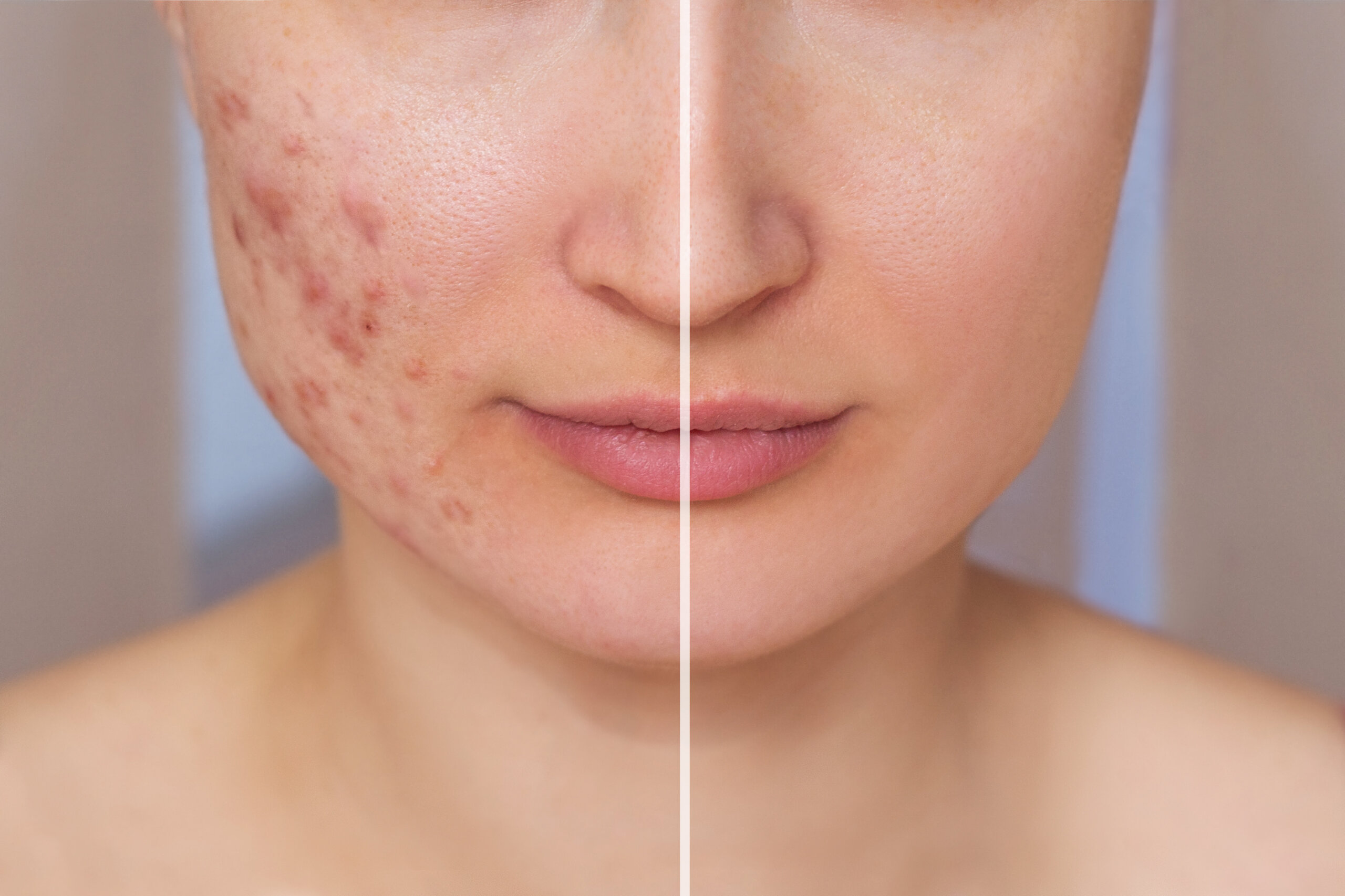
Occasional acne breakouts during puberty or times of stress are common, but some individuals experience more severe or persistent acne that requires medical treatment. According to Dr. Amreen Sitabkhan of U.S. Dermatology Partners Carrollton, “For patients who are unable to manage acne with at-home care, a range of dermatologic treatments and prescription therapies are available to improve skin health and appearance. Isotretinoin, often referred to by the brand name Accutane, is one of the most effective options for treating severe or stubborn acne. Because of its potency, ongoing care and monitoring by a dermatologist are essential throughout treatment.” In this blog, Dr. Sitabkhan discusses isotretinoin acne treatment and other solutions to prevent and manage acne breakouts.
What Is Accutane (Isotretinoin)?
Dr. Sitabkhan says, “Acne patients often ask what is Accutane? This prescription treatment is one of the most effective options for addressing even the most severe forms of acne. It’s derived from vitamin A and is in the same class as topical retinoids or retinols that are used to regulate cell turnover for those with acne.” Isotretinoin was originally sold as Accutane, and that name has become interchangeable with the medication itself. Unlike most acne treatments, isotretinoin works systematically. That means it is absorbed and processed through the whole body to treat acne at the source.
How Isotretinoin Works to Treat Acne
Acne develops due to a combination of excess oil, dead skin cells not being removed from skin, bacteria production, and inflammation. That means the most beneficial treatments should address a variety of issues simultaneously. Isotretinoin improves acne by:
- Reducing oil production.
- Improving skin cell turnover.
- Reducing the number of acne-causing bacteria.
- Decreasing inflammatory response.
Benefits of Accutane treatment include:
- Clearing current acne breakouts, especially with severe cystic or nodular blemishes.
- Significant reduction in acne breakouts.
- Reduced risk for scarring or hyperpigmentation.
- Long-lasting skin clearance.
Who Is a Good Candidate for Isotretinoin?
Isotretinoin isn’t recommended for every patient, and it’s not usually the first treatment option. Good candidates for isotretinoin use include:
- Patients with severe nodular or cystic acne.
- Acne that has been unresponsive to other treatment options.
- Breakouts lead to scarring or hyperpigmentation.
- Acne is painful or adversely impacting quality of life.
Why Some Teens Start Isotretinoin During Summer
Because of the strength of Accutane, it may be an effective acne treatment for teens, but the need for frequent monitoring visits and lab work can be a challenge for teens with busy routines. Many young adults choose to begin isotretinoin treatment during the summer for a variety of reasons, including:
- More schedule flexibility – with fewer obligations, the summer months may be a good time for teens to begin treatment.
- Side effect management – with reduced daily pressures, teens are able to more easily address any side effects. The increased sun sensitivity can present a challenge, but the added time spent on sun protection pays off thanks to the long-term benefits.
- Fresh start – with acne treatment over the summer, teens can start off the next school year with clearer skin and increased confidence.
Common Side Effects of Isotretinoin
Some of the most common Accutane side effects include:
- Dryness – mild skin and lip dryness is very common, but it should be manageable with increased moisturizer use.
- Dry eyes – for some, this dryness also impacts the eyes. This symptom is more common in those who wear contacts.
- Sun sensitivity – patients may experience sunburns more often. It’s important to reduce sun exposure and apply sunscreen to minimize damage.
- Mild skin irritation – temporary skin redness or sensitivity may occur. This typically happens early in treatment.
When it comes to side effects, Dr. Sitabkhan says, “Many of the common side effects of Accutane can be effectively managed by gentle skincare products, including cleansers, hydrating moisturizers, and lip balms. Wearing a broad-spectrum sunscreen daily is essential to minimize sunburns and UV skin damage. With the right routine, most patients can tolerate isotretinoin treatment well.”
Rare but Important Side Effects
The common side effects can be addressed through frequent monitoring, but it’s also essential to prevent and treat rarer side effects quickly. Regular monitoring during Accutane treatment includes monthly office visits, labs, and symptom checks that ensure treatment is both effective and safe. It’s important to know and report the rarer side effects of isotretinoin, so these adverse effects can be evaluated by a dermatologist quickly. Some of the rare side effects of isotretinoin treatment include:
- Changes in bloodwork – lipid (cholesterol) and enzyme levels that are involved in liver function may cause concerns. That’s one of the main reasons why bloodwork is required throughout treatment with isotretinoin.
- Mood dysregulation – for some, mood swings or irritability have been reported. Monitor this closely and report to your dermatologist right away.
- Skin irritation – severe skin dryness and irritation may occur. This is indicative of a need to adjust treatment dosage, so let your dermatologist know immediately.
Alternatives to Isotretinoin
Dr. Sitabkhan says, “There is no treatment that’s right for every patient. While isotretinoin is an effective option, it’s not for everyone. In many situations, I recommend starting with gentler treatments before moving forward with Accutane.” Some of the common acne treatment alternatives for isotretinoin include:
- Retinoids – these prescription-strength versions of retinols are derived from vitamin A. They are an essential skincare product for those with acne. Retinoids accelerate skin cell turnover and clear clogged pores.
- Benzoyl peroxide – this ingredient is frequently included in skincare for acne prone skin because it kills acne-causing bacteria.
- Antibiotics – oral antibiotics may be prescribed to reduce inflammation and decrease bacterial growth.
- Hormonal therapy – when appropriate, oral contraceptives or anti-androgens may be prescribed to reduce acne breakouts.
- Laser and light treatment – performed in the dermatology practice, these treatments are used to target and destroy bacteria, reduce inflammation, and regulate oil production.
- Other dermatologic treatments – chemical peels, professional blemish extractions, and other treatments used in combination with at-home skincare may be used to manage acne breakouts.
What to Expect During Isotretinoin Treatment
For those seeking severe or cystic acne treatment with Accutane, it’s important to set appropriate expectations before getting started. During treatment with isotretinoin, patients can expect the following:
- Duration – most isotretinoin treatments are dosed out over four to six months.
- Monitoring – patients require monthly dermatologic visits and routine lab work throughout the process.
- Gradual improvement – there may be an initial increase in breakout severity that’s followed by incremental improvement.
- Long-lasting results – after completing a series of isotretinoin treatment, many patients notice lasting improvement in their acne, with fewer and less severe breakouts.
When to See a Dermatologist for Acne
You may benefit from seeing a dermatologist for acne in the following situations:
- To develop an acne treatment plan and get skincare product recommendations.
- To address severe or cystic acne.
- Treatment recommendations for acne that isn’t responsive to at-home care.
- Discuss the benefits of isotretinoin in acne treatment.
Know the Risks and Benefits of Isotretinoin for Acne
When it comes to choosing isotretinoin for severe acne treatment, Dr. Sitabkhan says, “There’s no doubt that isotretinoin is an effective acne treatment, and it can clear up even the most stubborn or severe forms of acne. However, this treatment can have serious side effects, so it’s essential to stick with your regular follow-up visits and follow your dermatologist’s instructions to maximize benefits while minimizing adverse symptoms.”
Schedule an Acne Skincare Consultation
Dealing with the stress and discomfort of persistent or severe acne breakouts is stressful enough, so scheduling an appointment for dermatologic care should be simple. It’s quick and easy to get started working with a local U.S. Dermatology Partners team. Just take a moment to fill out our online scheduling request form. Once we receive your information, we’ll reach out to finalize the details.
Find a location near me
or