
Read Full Article HereEven if the symptoms of an atopic dermatitis flare are relatively short lived, the cracks, fissures, and patches of open skin can linger for weeks, if not longer.
It’s common for severe atopic dermatitis to result in wounds. Even if you do everything you can to care for them, it usually requires the help of an experienced dermatologist, who can help develop a treatment plan to keep wounds to a minimum.Why Skin Heals Slowly With Atopic Dermatitis
If you have atopic dermatitis, your skin is more prone to cracking and bleeding, due to skin barrier dysfunction.You can think of the skin barrier as a brick wall, says Amreen Sitabkhan, MD, a board-certified dermatologist at U.S. Dermatology Partners in Carrollton, Texas. “Your skin cells are the bricks, and most people have the ‘mortar’ in between, which helps to seal everything up, retain moisture, and keep the skin healthy,” she says. “But people with eczema are basically missing that mortar, and so their barrier is not as intact.”Wound Treatments for Atopic Dermatitis
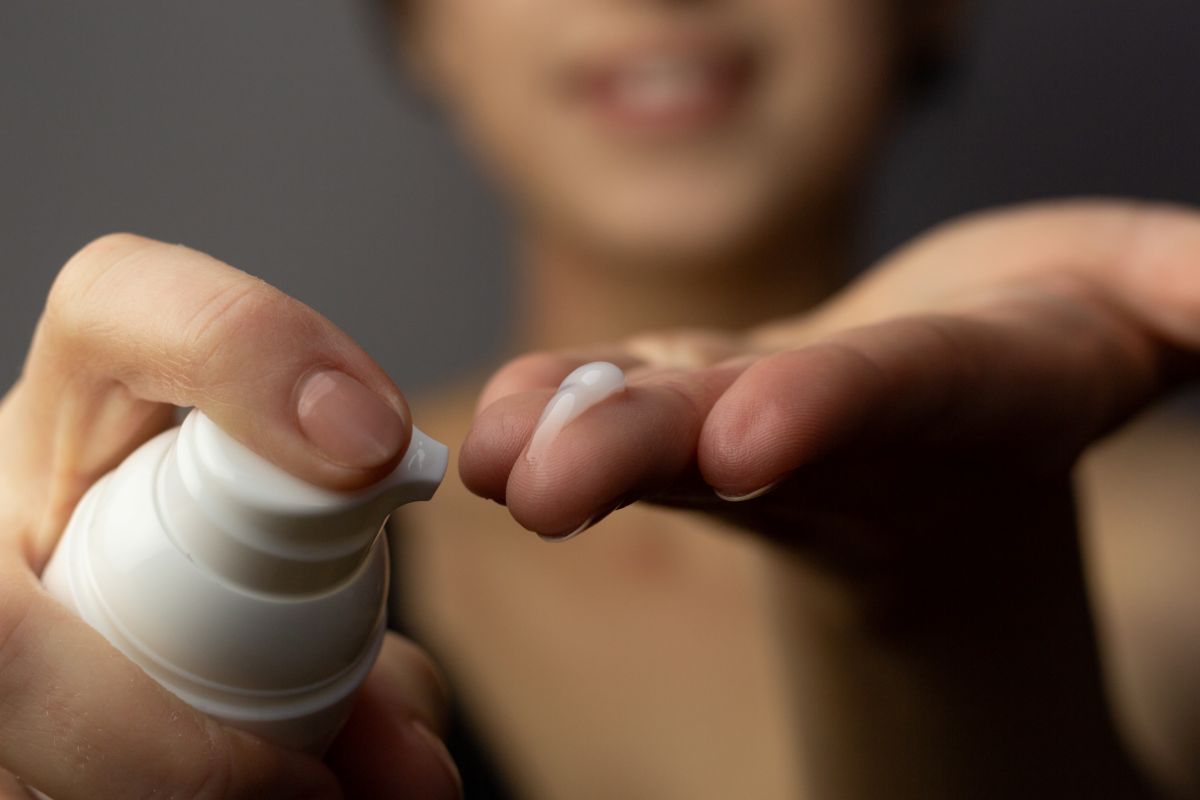
The first step in treating atopic dermatitis wounds is adding moisture back to dry skin. Look for products that contain three key ingredients:
- Emollients, such as ceramides, which soften the skin and create a protective barrier
- Humectants, such as glycerin, which attract moisture
- Occlusives, such as petroleum jelly, which hold in moisture
Always make sure these products are labeled safe for sensitive skin and fragrance free, says Dr. Sitabkhan, so they don’t irritate atopic dermatitis further.
Bleeding is usually minimal. You might notice specks of blood on your sheets in the morning, for example. If you need to stop the bleeding from a minor wound, apply pressure with clean gauze for a minute or two.If the wounds are more serious and there are signs of infection, you might need treatment with topical or even oral antibiotics, says Sitabkhan.Signs to Seek Medical Care for Atopic Dermatitis Wounds
Talk to a healthcare provider anytime an atopic dermatitis wound shows signs of infection. One common early sign is a honey-colored crust on a wound, which can signal impetigo, a superficial skin infection that’s more common in people with atopic dermatitis, says Sitabkhan.Seek medical care if you also have:
- Bumps, blisters, or sores
- Fever or chills
- Severe burning or pain in the wound
- Severe itching
- Swelling