
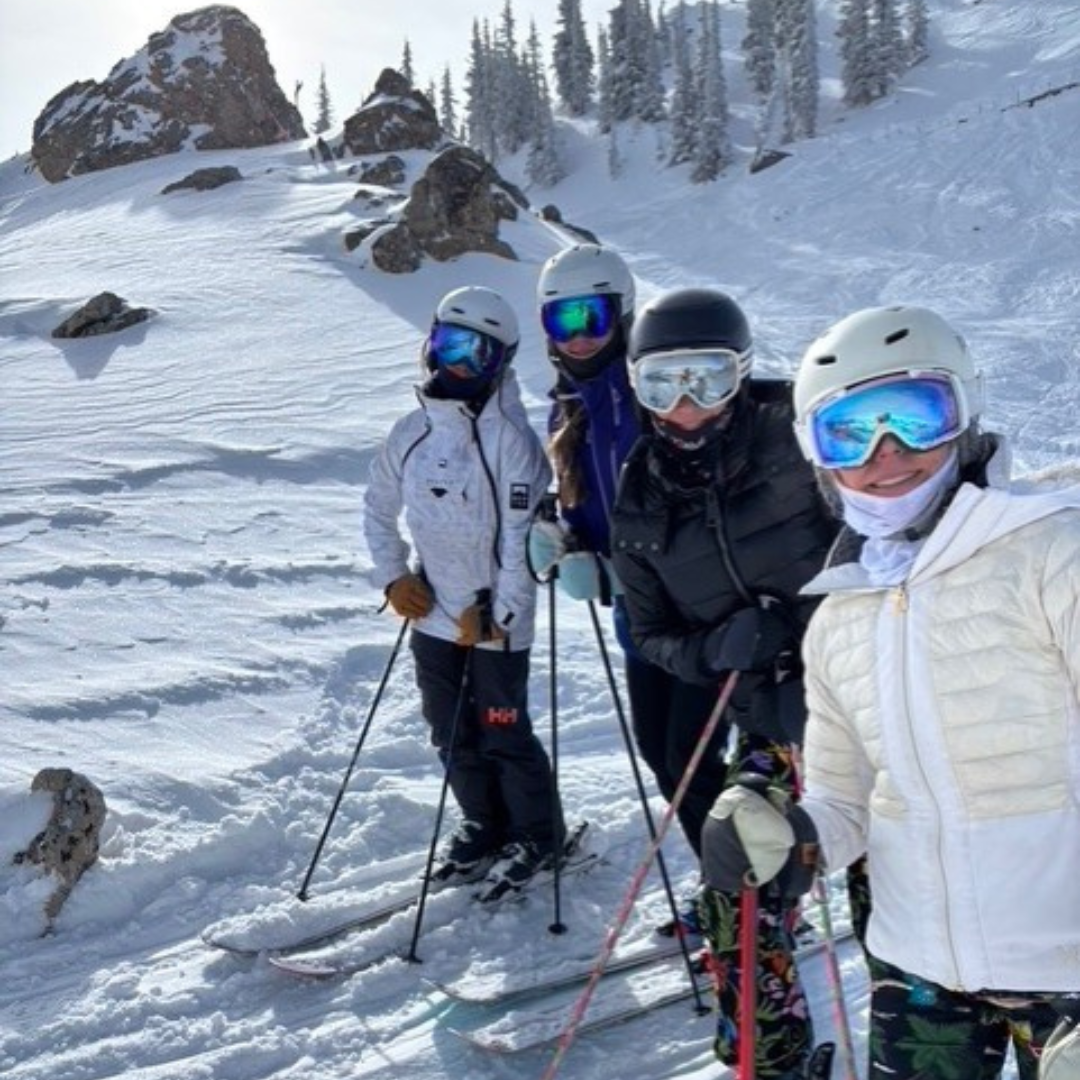
Winter sports bring crisp air, beautiful scenery, and plenty of sunshine reflecting off the snow— but don’t let the cooler temperatures fool you. Even though the days are shorter and the sun sits lower in the sky, UV exposure at high altitudes can be intense. The combination of thinner atmosphere and reflective snow dramatically increases your risk of sunburn and long-term skin damage. In this blog, Board-Certified Dermatologist Dr. Alexandra Theriault of U.S. Dermatology Partners Denver, and an avid skier, shares expert winter skincare tips to keeping skin protected and hydrated when hitting the slopes.
“We’ve all seen the infamous ‘goggle tan’ from the ’80s, and while it might have looked fun at the time, many of those same skiers now face the long-term consequences of sun exposure, including photoaging and skin cancer, said Dr. Theriault.
Before your next skiing adventure, here are the essential steps Dr. Theriault recommends to keep your skin protected and healthy all ski season long.
Protect Before You Hit the Slopes and Reapply
This is one of the most important skiing skincare steps you can take. Apply sunscreen before you reach the mountain. Dr. Theriault recommends a broad-spectrum mineral sunscreen with at least SPF 50. “Some of my favorite sunscreen formulations come from ISDIN, EltaMD, and Pavise,” Dr. Theriault added. “I prefer tinted products for the face—they help even skin tone and add an extra layer of protection—and non-tinted versions for the neck and body. Pack a small travel-size sunscreen in your ski jacket so you can reapply every two to three hours, especially after sweating or wiping your face.”
Don’t Forget the Lips
Your lips are especially vulnerable to UV rays and windburn, leading to chapping, cracking, and even sunburn. To keep them protected, apply a broad-spectrum mineral lip sunscreen before you head out—and reapply throughout the day, especially after eating or drinking. Dermatologist-grade products that Dr. Theriault recommends include tinted options from ColorScience’s Sunforgettable Lip Shine and the non-tinted SPF lip balm from EltaMD.
Wear the Right Gear
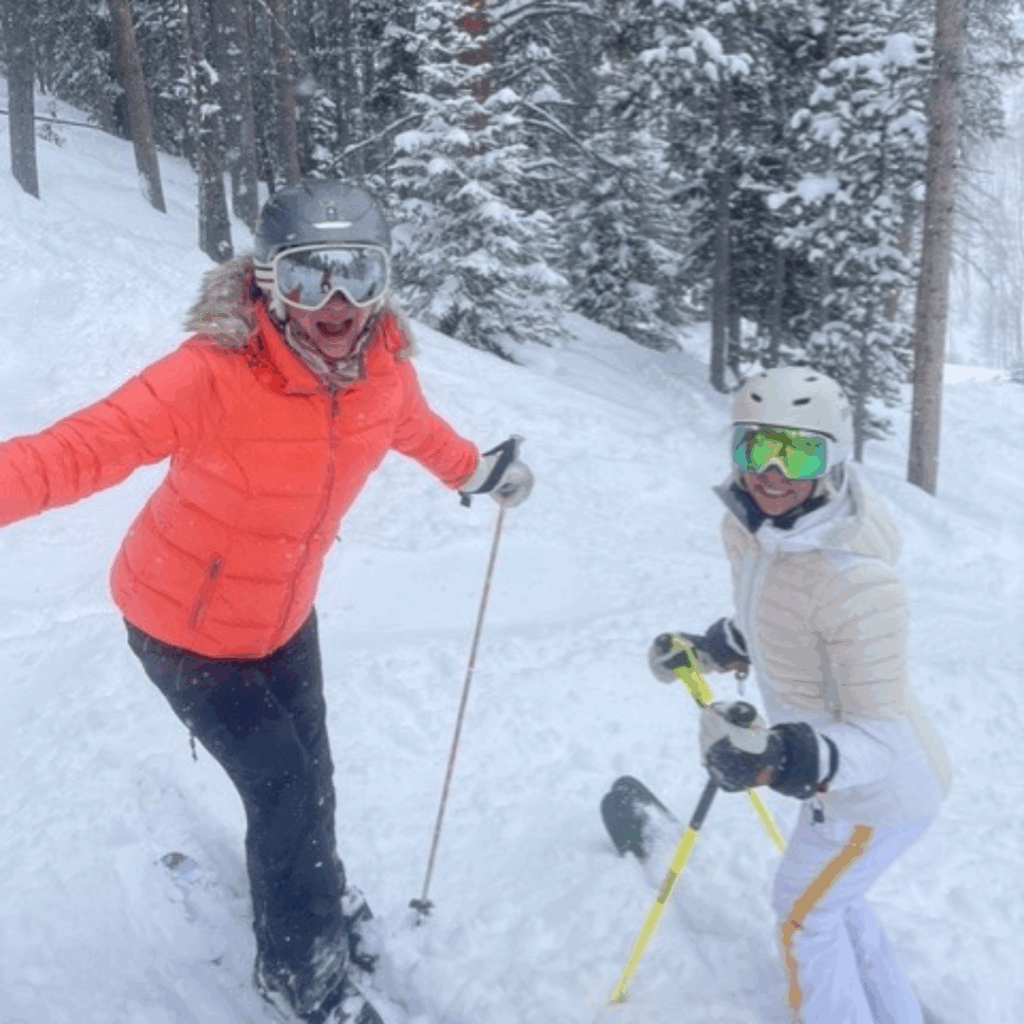
Wearing the proper gear is just as important as sunscreen when it comes to protecting your skin on the mountain. UV-protective goggles are a must. They shield your eyes from harmful rays while enhancing visibility on the slopes. And of course, ski helmets do more than protect your head—they also help guard your scalp from unwanted sun exposure. Don’t forget your face and neck—UPF protective apparel, moisture-wicking gaiters, or a balaclava can help shield your skin from windburn, cold, and UV rays.
Hydrate, Hydrate, Hydrate
Cold, dry mountain air paired with low humidity can quickly pull moisture from your skin, leaving it feeling tight, flaky, and more vulnerable to irritation. Add in indoor heaters and your skin’s moisture barrier can become depleted even faster. Hydration is a key part of winter skin protection, especially at high altitudes. Keeping your skin well-hydrated—both before and after a day of skiing—is crucial for maintaining a strong barrier that protects against windburn, chapping, and discomfort.
Steps to Hydrating Skin during Ski Season
- Use gentle, hydrating facial skincare. Choose a creamy cleanser and a hydrating serum, and avoid harsh exfoliants or strong actives before skiing to reduce irritation.
- Moisturize after bathing. Apply a ceramide-rich cream to damp skin immediately after showering or bathing to lock in moisture and strengthen the skin barrier.
- Rinse after hot tub use. Chlorinated or brominated water can strip oils from the skin and worsen dryness. Rinse off soon after getting out, then apply a moisturizer while your skin is still slightly damp.
- Run a humidifier at night. Low winter humidity and indoor heating can dehydrate skin quickly. A bedside humidifier adds moisture back into the air—and helps your skin stay hydrated while you sleep.
- Soothe your sinuses. Dry indoor air can irritate nasal passages. A nasal saline rinse or spray can ease dryness and irritation.
Conclusion
With the right preparation and practicing these skiing skincare essentials, you can enjoy everything ski season has to offer without compromising your skin’s health. These simple steps help protect against the sun, wind, and dry air, reducing the risk of winter-related irritation and long-term sun damage.
“A little planning goes a long way,” Dr. Theriault explained. “By protecting and hydrating your skin when skiing, you can enjoy every run without worrying about dryness, sunburn, or irritation.”
For more ways to protect your skin through the winter months, read more on our blog for dermatologist-approved tips and seasonal skincare guidance.
Related Articles:
Common Winter Skin Issues and When to See a Dermatologist
Chronic Hand Eczema in Cold Weather: Causes & Treatments
Find a location near me
or