
Nails protect sensitive skin at the tips of our fingers and toes, and many people enjoy expressing their style and personality with unique nail colors and art. However, the fingernails and toenails can also provide clues about overall health and wellbeing. According to Dr. Araya “Jay” Zaesim of U.S. Dermatology Partners Lee’s Summit and Overland Park, “Most of my patients don’t even think of their nails as part of their skin, but evaluating nail health is an essential part of maintaining healthy skin and overall wellness. Even small changes in the shape, texture, or color of nails may be a red flag.” In this blog, Dr. Zaesim deep dives into what nail health changes mean, how nail concerns are treated, and when nail changes indicate need for cooperative care with other physicians.
What Healthy Nails Look Like
Healthy nails grow consistently and slowly. Fingernails grow just three millimeters per month, and toenails grow two millimeters or less. The health of nails at varying stages of growth tells us a lot about what’s going on with our nutrition, hydration, organ function, autoimmune response, and so much more. Nails are made up of mainly keratin, which is a protein also found in skin and hair. When the body is not functioning properly or receiving adequate nutrition or hydration, skin and nails are often the first place where these concerns are reflected since the body may withold energy or nutrients from these protective barriers and redirect them to parts of the body that are struggling. Not all nail changes are signs of serious concerns. Common benign nail changes include vertical ridges that form with age, white spots following injury, discoloration due to nail polish residue, and small splits or cracks from excessive dryness.
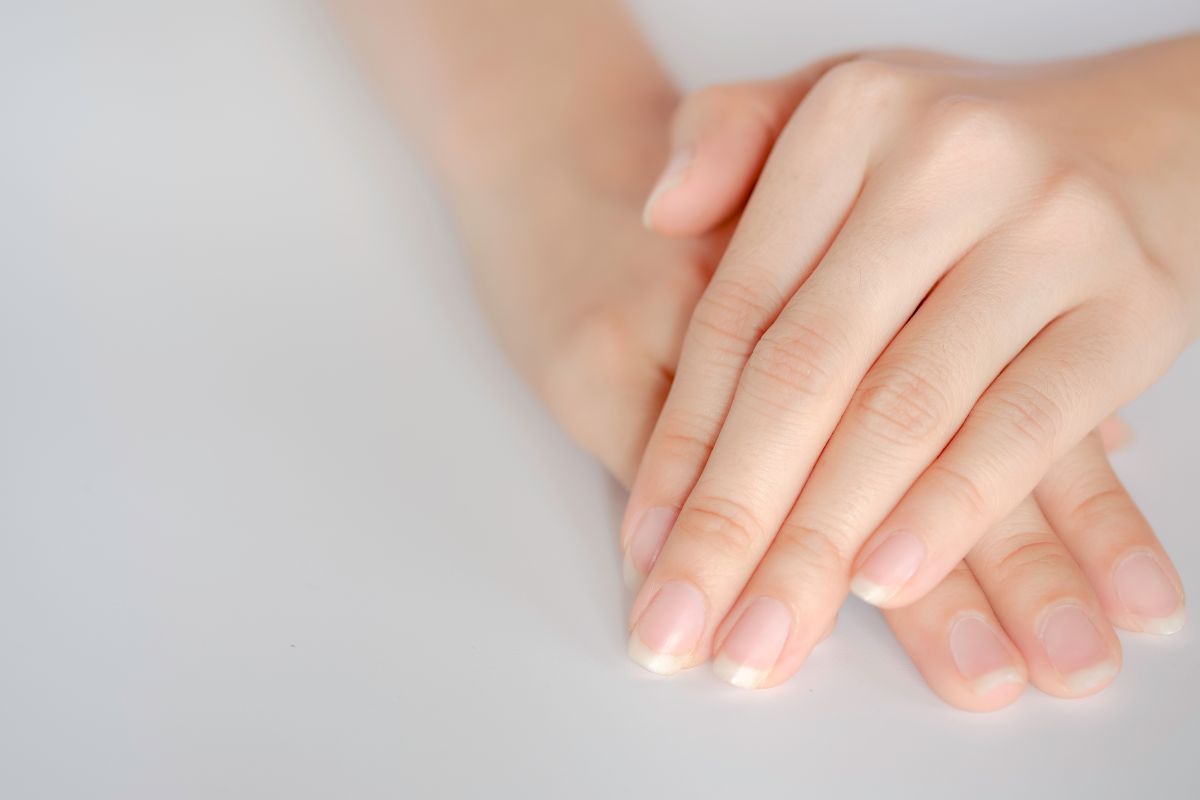
It’s important to take note of shifts in the appearance or health of nails, so a dermatologist can help you understand what nail changes are meaningful. Before looking closer at changes in nail health and appearance, it’s important to know what healthy nails should look like:
Typical Nail Color
- Coloring is pink or slightly lighter than skin tone.
- The shade of nails is even throughout.
- No dark spots, streaks, or areas of discoloration.
Typical Nail Shape
- Smooth curve.
- Should lay flat without separating from the nail bed.
- Firm but flexible with even thickness.
Typical Nail Texture
- Smooth and shiny.
- Should not have deep pits or ridges.
- Not brittle, cracked, or split.
Nail Color Changes and What They May Mean
Nail color changes are one of the first visual signs of unhealthy nails and possible underlying concerns. Below, we outline common nail color changes and what they mean:
- Pale nails – white or light-colored nails or spots on nails can indicate anemia, poor circulation, chronic illness, or nutritional deficiency. Light coloring commonly occurs due to inadequate blood flow or decrease in red blood cells that provide the pink coloring to nail beds. If you experience additional symptoms like fatigue and shortness of breath, you should consult a physician right away.
- Yellow nails – yellow coloring on nails can occur due to fungal infection, poorly managed psoriasis, thyroid disease, lung conditions, and smoking. If nails are yellow, thick, and crumbling, it is likely a fungal infection. Yellow nail syndrome is a rare condition that is linked to lymphatic and respiratory health issues.
- Blue or purple nails – this type of nail discoloration typically indicates inadequate oxygenation and circulatory problems. This can be caused by innocuous factors like cold temperatures, but it may be linked to heart or lung diseases, especially if blue nails are chronic and accompanied by chest pain or shortness of breath.
- Dark streaks or spots – darkened areas on nails are most common following an injury, when blood becomes trapped beneath the nail and causes bruising. However, dark streaks or spots that appear without a known injury—or that change in size, shape, or color—should be evaluated by a dermatologist. In some cases, nail discoloration may be related to underlying medical conditions, medication use, or chemical exposure. Rarely, dark pigmentation of the nail can be a sign of melanoma, which is why prompt evaluation is important.
Changes in Nail Shape and Texture
Changes in shape and texture may be due to exterior damage, underlying nail disorders, or systemic conditions. Some of the common changes in nail shape and texture and what they may indicate are outlined below:
- Ridges – vertical ridges commonly develop in fingernails due to aging, and they are typically benign. Horizontal ridges, called Beau’s lines, are more likely to indicate illness, infection, nutritional deficiency, and physical stress.
- Nail pitting – indentations or pits in the surface of nails may occur following an injury, but they can also be a side effect of inflammatory skin conditions like eczema and psoriasis as well as autoimmune disorders.
- Thickening or crumbling – like vertical ridges, nails may thicken or crumble with age, but this can also occur due to fungal nail infections and psoriasis. Thickening nails related to fungal infections become worse without treatment.
- Curving or clubbing – clubbed nails curve downward and the tips are larger. Curving or clubbed nails are often caused by chronic low oxygen levels related to heart and lung disease. This condition may also be caused by gastrointestinal or liver conditions, which disrupt nutrient absorption.
Nail Bed and Surrounding Skin Symptoms
In some cases, symptoms reach beyond the nails and impact nail beds, cuticles, and surrounding skin. Some common symptoms that present on tissue surrounding the nail include:
- Inflammation – characterized by redness, swelling, and pain, inflammation may indicate bacterial or fungal infection, ingrown nails, or inflammatory skin conditions. It’s important to seek treatment when this occurs.
- Onycholysis (nail separation) – healthy fingernails and toenails should be firmly seated in the nail bed. Separation may occur due to an injury, but it is also a symptom of thyroid disease, psoriasis, and fungal infections. Taking certain medications may also lead to nail separation.
- Infection symptoms – redness, oozing, warmth, or throbbing pain indicate infection and should be evaluated by a medical professional right away.
Common Health Conditions Linked to Nail Symptoms
There are numerous medical conditions that either directly or indirectly lead to nail health concerns, including:
- Fungal infections – one of the most common conditions that impacts nails. Fungal infections lead to yellow or white discoloration, thickening, and crumbling. These conditions are usually treatable with oral or topical antifungal medications.
- Nail psoriasis – often causes nail pitting, discoloration, thickening, or separation. It is often difficult to treat, so it’s important to work closely with a dermatologist to manage this condition.
- Thyroid disease – both hyperthyroidism (overactive) and hypothyroidism (under active) thyroid can affect nail health and appearance. Common nail side effects include nail separation, thickening or thinning, and brittleness.
- Nutritional deficiencies – low levels of biotin, iron, and other nutrients can negatively impact nail health because there aren’t adequate amounts of these nutrients to support systemic function and nail health. Common nail symptoms that indicate a nutritional deficit include pale-colored nail beds, brittleness, and slow growth.
- Systemic illnesses – poorly managed systemic illnesses, especially those that impact circulation or oxygenation, will often impact nails, leading to changes in color, clubbing, and slower growth.
Nail Treatment Options
According to Dr. Zaesim, “Nail treatment options depend on identifying the underlying cause. In some cases, dermatologists collaborate with primary care physicians, nutritionists, or other specialists to address both nail changes and any related health conditions. Early evaluation and accurate diagnosis are important, as untreated nail conditions may worsen over time or reflect underlying medical issues.” Below, Dr. Zaesim outlines some common treatment approaches for nail concerns:
- Antifungals – oral and/or topical antifungal medications may be prescribed as needed.
- Biologics – these medications may be prescribed to manage autoimmune and inflammatory conditions.
- Nutritional supplements – to address deficiencies and boost systemic health.
- Comprehensive care – partner with a dermatologist, general practitioner, endocrinologist, dietician, and other specialists as needed to treat all facets of complex and systemic health concerns.
When to See a Dermatologist
Early diagnosis of health concerns related to nail changes often means treatment is more effective and outcomes are better. If you’re wondering when to see a dermatologist for nail changes, Dr. Zaesim recommends you reach out if you notice the following:
- Persistent or worsening nail changes.
- Pain or swelling around the nails.
- Signs of infection like swelling, redness, or heat around the nail.
- Dark streaks that don’t form after a known injury to the nail.
- Nail changes that cooccur with health symptoms.
Nail Health & Whole Body Health Frequently Intersect
In conclusion, Dr. Zaesim says, “I’ve seen many patients with concerning changes to their nails who ignored these symptoms of serious health concerns because they assumed it was just a cosmetic issue with their nails. Not all nail changes are indicative of something serious, but it’s always better to have a professional take a look if you’re not sure why the changes are occurring.”
Schedule a Consultation with a Board-Certified Dermatologist
Dermatologists are trained to recognize concerning symptoms that present on the nails, so they can partner with you to achieve an accurate diagnosis of nail conditions or skin health concerns. They may also work with other specialists to take a comprehensive approach to care when whole-body health concerns are indicated. When you’re ready to learn more, take a few moments to request an appointment online with one of our knowledgeable dermatology teams.
Find a location near me
or