A skin cancer diagnosis can bring questions about treatment and what comes next. For patients who need Mohs surgery, finding an experienced surgeon is an important part of their care. U.S. Dermatology Partners has physicians specializing in skin cancer treatment, including Mohs surgery, serving patients throughout Dallas and North Texas. This blog covers skin cancer treatment options, how Mohs surgery works, what patients can expect during the process, and highlights three of our Mohs surgeons who serve patients in Dallas, Plano, Grapevine, Corsicana, Sherman, and Paris, Texas.
What Type of Doctor Treats Skin Cancer?
Dermatologists are the trusted physicians who provide skin cancer diagnosis and treatment. A board-certified dermatologist can evaluate lesions, perform biopsies, and develop personalized plans for skin cancer treatment and monitoring. The recommended approach depends on factors such as the type of cancer, its location and characteristics, and the patient’s individual circumstances. Not every patient needs Mohs surgery. Depending on the diagnosis, treatment options may include:
- Cryotherapy
- Curettage and electrodesiccation
- Standard surgical excision
- Mohs micrographic surgery
- Prescription topical treatments
- Radiation or other therapies for certain cases
What Is Mohs Surgery?
Mohs micrographic surgery is an advanced, specialized surgical technique developed to treat certain skin cancers. Unlike standard surgical excision, which typically involves sending the removed tissue to a laboratory for evaluation after the procedure, Mohs surgery allows the surgeon to examine the tissue under a microscope during the procedure. If cancer cells remain at the margins, additional tissue is removed from the affected area and examined. This process continues until no cancer cells are detected at the examined margins. According to the Skin Cancer Foundation, Mohs surgery has five-year cure rates of up to 99% for basal cell carcinomas that have not been treated before.
This approach offers several potential benefits:
- Precise removal of cancerous tissue
- Microscopic examination of margins during the procedure
- Removal of additional tissue only when cancer remains
- Preservation of as much healthy surrounding tissue as possible
- High cure rates for appropriately selected non-melanoma skin cancers
When Is Mohs Surgery Recommended for Skin Cancer?
While Mohs surgery is an effective skin cancer treatment option for many skin cancers, it may not be right for everyone. Before recommending Mohs surgery, dermatologists will consider the cancer type, tumor size, location, borders, growth patterns, aggressiveness, recurrence, and importance of healthy tissue preservation. Mohs surgery is most commonly used to treat basal cell carcinoma and squamous cell carcinoma, particularly when a tumor has a higher risk of recurrence or is located in an area where preserving healthy tissue is especially important.
It may be recommended for tumors with indistinct borders or those affecting areas such as the face, eyelids, nose, ears, scalp, hands, and feet. For lower-risk skin cancers in other areas of the body, standard surgical excision or another treatment may be more appropriate.
What Skin Cancers Can Be Treated with Mohs Surgery?
The type and characteristics of eachskin cancer help determine whether Mohs surgery is an appropriate treatment option.
Basal Cell Carcinoma
Basal cell carcinoma (BCC) is the most common form of skin cancer. Many BCCs are often treated successfully with standard surgical excision. However, Mohs surgery may be recommended for higher-risk tumors based on the location of the cancer or the microspoic features. Recurrent BCC tumors and those that at high risk of growing deep below the skin may also be treated with Mohs surgery.
Squamous Cell Carcinoma
Squamous cell carcinoma (SCC) is another common form of skin cancer. Mohs surgery may be recommended for tumors with higher-risk characteristics, including those with poorly defined borders, those that have returned after treatment, or those located in areas where tissue preservation is especially important.
Other Skin Cancers
Specialized margin-controlled surgical techniques may be considered for certain less common skin cancers, depending on the diagnosis and individual circumstances. Treatment approaches vary, so patients should discuss the risks, benefits, and alternatives with their dermatologist.
Mohs Surgery vs. Standard Excision: What’s the Difference?
Both Mohs surgery and standard excision are proven skin cancer treatments. The main differences involve how tissue is examined and how surgical margins are assessed.
| Feature | Standard Excision | Mohs Surgery |
| How it works | The surgeon removes the visible tumor along with a predetermined margin of surrounding tissue. | The surgeon removes the tumor and examines thin layers of tissue in stages. |
| Tissue examination | Tissue is typically sent to a laboratory for evaluation after the procedure. | Tissue is mapped and examined microscopically during the procedure. |
| Margin assessment | Pathology results are generally available after the procedure. | The surgeon assesses the entire margin during the procedure. |
| What happens if cancer remains? | Additional treatment may be needed. | Additional tissue is removed from the area where cancer remains on the same day. |
| Main goal | Remove skin cancer with an appropriate surgical margin. | Remove the cancer while preserving as much healthy tissue as possible. |
What Should I Expect During Mohs Surgery?
Your Mohs surgeon will explain your treatment plan based on the tumor size, depth, and location. The procedure may take several hours because the removed tissue must be processed and examined between surgical stages, even though each stage of tissue removal is relatively brief. The procedure generally involves the following steps:
Step 1: Preparing the Area
The surgeon carefully cleans the area and applies local anesthesia to numb skin. Patients remain awake throughout the procedure.
Step 2: Removing the First Layer
The visible skin cancer and a thin layer of surrounding tissue is carefully removed.
Step 3: Examining the Tissue
The removed tissue is carefully mapped, processed, and examined under a microscope so the surgeon can identify whether cancer cells remain at the margins. This step can take an hour or more.
Step 4: Removing Additional Cancer if Necessary
If cancer cells remain, the surgeon removes additional tissue from the affected area. This process is repeated until no cancer cells are detected at the examined margins. After additional removal, the tissue must be examined again.
Step 5: Repairing the Surgical Site
Once the cancer has been removed, the surgeon evaluates the resulting wound and determines the most appropriate approach to healing and repair.
Why Is Reconstructive Expertise Important After Mohs Surgery?
Removing cancer is the first priority, but what happens after is also important. The resulting surgical wounds can vary greatly in size and depth. Damage to the surrounding tissues and structures need to be considered in planning to repair the surgical site. While some wounds heal naturally, others may need to be closed with sutures or require advanced reconstruction. Reconstruction is particularly important when skin cancer affects the face or areas where preserving function and appearance is a priority. Depending on the complexity of the wound, the Mohs surgeon may perform the repair or coordinate care with another surgical specialist.
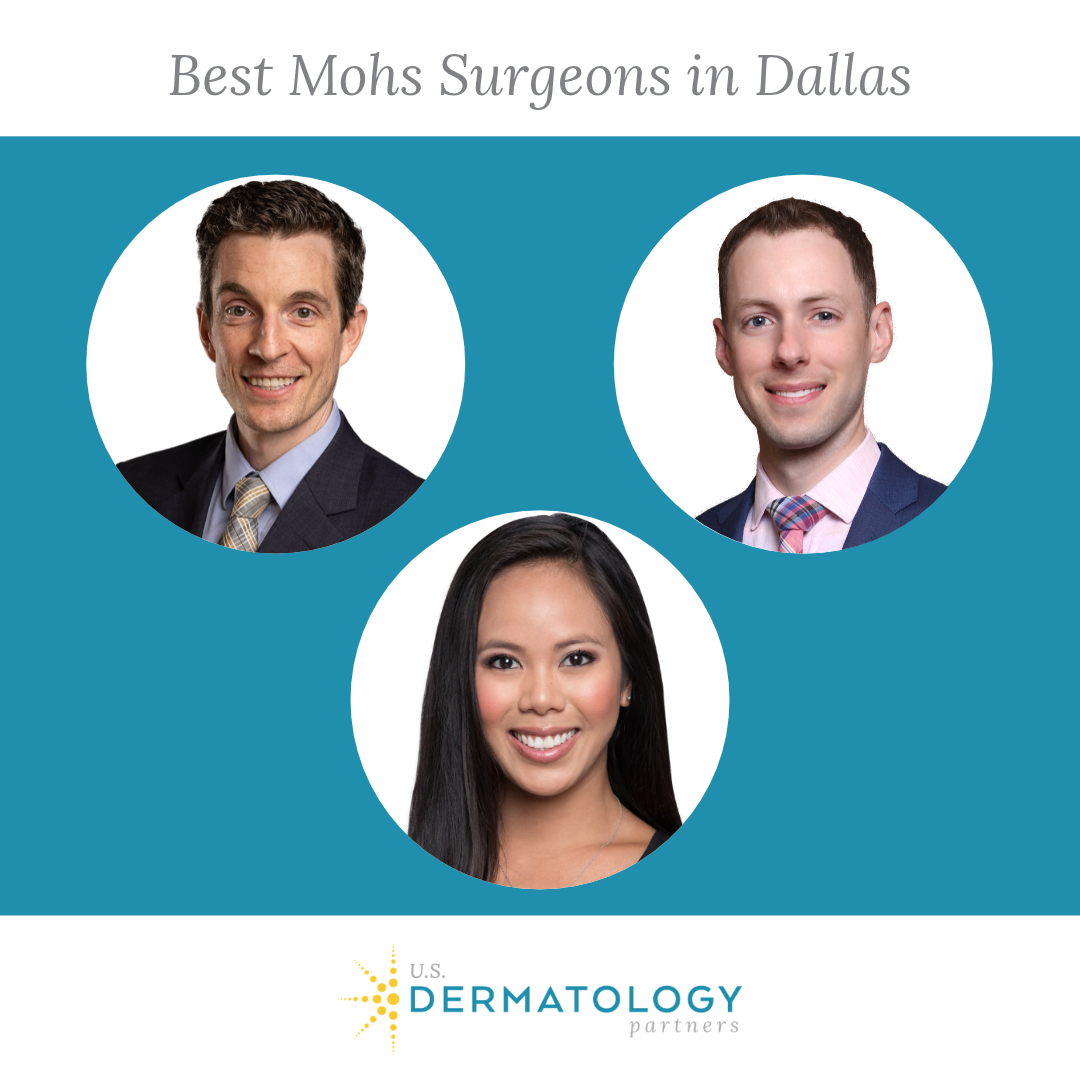
Featured Mohs Surgeons Serving Dallas & North Texas
U.S. Dermatology Partners provides access to specialized skin cancer care across Dallas and North Texas, including surrounding rural communities. Meet three of our fellowship-trained Mohs surgeons serving patients in the region.

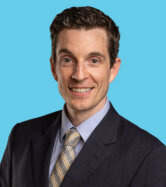
Valerie Truong, MD, FAAD | North Dallas & Corsicana
Credentials: Board-Certified Dermatologist, Board-Certified Micrographic Dermatologic Surgeon & Fellowship-Trained Mohs Surgeon
Recognition: Castle Connolly Top Doctors Rising Star; Texas Monthly Super Doctors Rising Star
Dr. Valerie Truong provides Mohs surgery and skin cancer care at U.S. Dermatology Partners in North Dallas and Corsicana. After completing fellowship training in Mohs surgery at Emory University, she returned to the Dallas-Fort Worth area. Her clinical interests include Mohs surgery, reconstructive dermatology, and skin cancer management. She is a member of the American Academy of Dermatology, American College of Mohs Surgery, and American Society for Dermatologic Surgery.
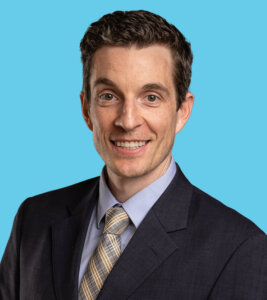
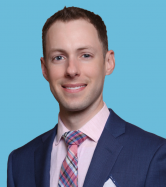
Daniel Condie, MD | Plano, Grapevine, Sherman & Paris
Credentials: Double Board-Certified Dermatologist & Micrographic Dermatologic Surgeon; Fellowship-Trained Mohs Surgeon
Recognition: Castle Connolly Top Doctor; Super Doctors Rising Star in Texas Monthly
Dr. Daniel Condie specializes in skin cancer diagnosis and treatment, Mohs surgery, and reconstruction. He completed his dermatology residency at UT Southwestern Medical Center and fellowship training in micrographic surgery and cutaneous oncology at the University of Mississippi Medical Center. He also publishes peer-reviewed research related to cutaneous oncology and facial surgery and is a member of the American College of Mohs Surgery.
 Clint Moss, MD, FAAD | Sherman & Paris
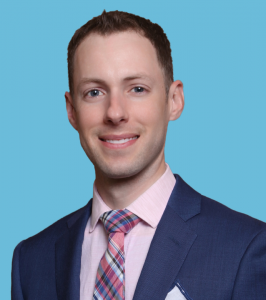
Credentials: Double Board-Certified Dermatologist & Micrographic Dermatologic Surgeon
Recognition: Texas Monthly Super Doctors; Best Dermatologist by The Paris News Reader’s Choice Awards
Dr. Clint Moss provides skin cancer care and Mohs micrographic surgery in Sherman and Paris. He completed his dermatology training at Texas Tech University Health Sciences Center, served as chief resident, and was inducted into the Alpha Omega Alpha medical honor society.
U.S. Dermatology Partners Mohs Surgery Locations
U.S. Dermatology Partners offers Mohs surgery across North Texas for convenient access to essential skin cancer treatment.
- North Dallas: 5310 Harvest Hill Road, Suite 130, Dallas, TX 75230
- Plano: 5030 Tennyson Parkway, Suite 100, Plano, TX 75024
- Grapevine: 2321 Ira E. Woods Avenue, Suite 180, Grapevine, TX 76051
- Sherman: 910 E. Pecan Grove Road, Sherman, TX 75090
- Paris: 3435 Pine Mill Road, Paris, TX 75460
- Corsicana: 401 Hospital Drive, Suite 100, Corsicana, TX 75110
What Should You Look for in a Mohs Surgeon?
When choosing a Mohs surgeon, consider their specialized training, experience treating your type of skin cancer, and approach to reconstruction following surgery. Experience treating tumors in sensitive or complex areas, clear communication, and convenient follow-up care are also important.
Fellowship training in Mohs surgery provides specialized experience in removing skin cancer, evaluating tissue margins under a microscope, and planning reconstruction.
Do I Need a Referral to a Mohs Surgeon?
Your care may begin with a dermatologist or primary care provider who evaluates a suspicious spot and, when appropriate, performs a biopsy. If the results confirm skin cancer and Mohs surgery is recommended, your dermatologist may refer you to a Mohs surgeon.
Referral requirements vary by insurance plan. Check with your insurance provider to confirm whether you need a referral and whether the surgeon is in network.
Why Early Skin Cancer Detection Matters
Early evaluation of suspicious skin changes can help patients receive an accurate diagnosis and appropriate treatment. Watch for new or changing spots, lesions that bleed or crust, or sores that do not heal. Regular skin self-exams, routine dermatology appointments, and daily sun protection can all support early detection.
Find Skin Cancer Care in Dallas & North Texas
Whether you need an evaluation for a suspicious spot or have been referred for Mohs surgery, U.S. Dermatology Partners offers access to dermatology professionals and specialized skin cancer care across Dallas and North Texas.
Schedule a Skin Cancer Screening
If you have noticed a suspicious spot or are due for a skin examination, submit an online scheduling request to U.S. Dermatology Partners. If you have already been diagnosed with skin cancer, your dermatologist can help determine whether Mohs surgery may be appropriate and guide you through the next steps.
Find a location near me
or