
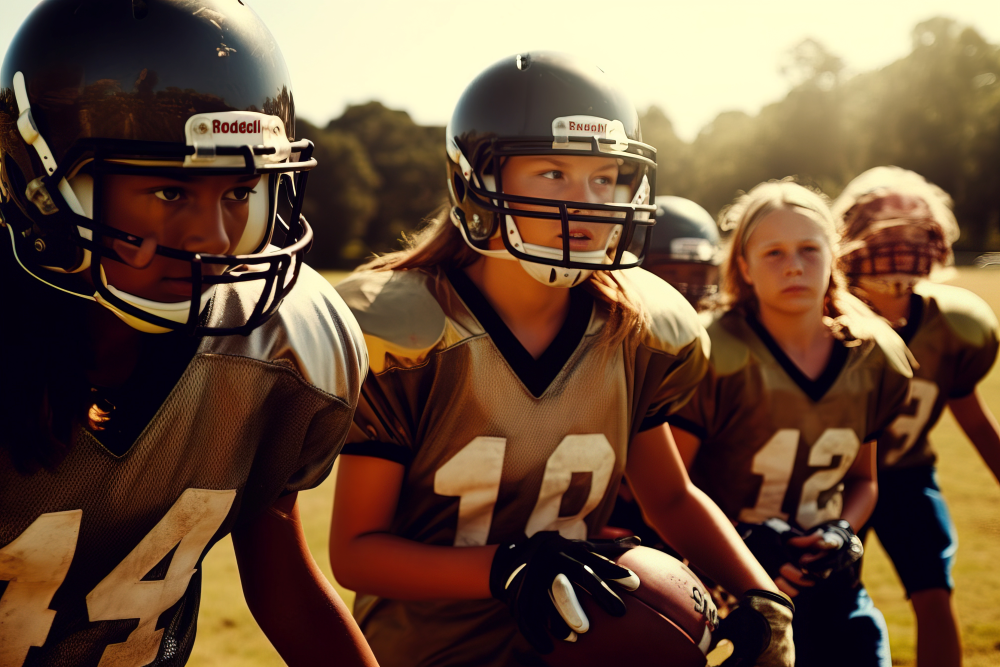
Sports season, especially spring and summer sports season, often means flareups in common skin conditions for teens, including acne. According to Dr. Rehan Karim of U.S. Dermatology Partners North Dallas, “Skincare for athletes is essential. From preventing skin sensitivity and infections to fighting acne, teens who play sports need to take steps to prevent and address skin health concerns. One of the most common issues I address with teens this time of year is acne mechanica where helmets, padding, and other sports gear create friction against the skin. Luckily, there are simple, preventive steps and treatments available to keep skin clear.” In this blog, Dr. Karim dives into what acne mechanica is, how it’s treated, and a few simple skincare steps to prevent breakouts before they begin.
Acne Mechanica: Why Teen Athletes Get Breakouts from Sports Gear
Many people are surprised to hear that there’s more than one type of acne. Acne mechanica, the most common type of sports acne breakout, occurs when heat, sweat, friction, and pressure traps sweat and oil to the skin triggering a breakout. Other forms of acne are caused by hormonal shifts or bacterial infection, but acne mechanica is triggered through physical contact between skin and clothing or other items. For this reason, even teens who have clear skin may develop acne mechanica when they regularly wear uniforms and protective gear. Because most athletes need to wear their uniforms regularly, they continue to place pressure on the impacted area, making it harder to heal acne breakouts.
Symptoms of Sports-Related Acne
According to Dr. Karim, “You likely know what acne looks like in most people, but acne mechanica has some unique symptoms. It’s important to accurately diagnose this specific form of acne, so individuals can take the right steps to treat sports acne.” Common signs of acne mechanica include:
- Rough bumps that aren’t always visible but can be felt below skin.
- Deep, red, painful cysts.
- Breakouts concentrated in areas where sports gear places pressure (forehead, chin, jaw, shoulders, chest, thighs).
What Causes Helmet and Sports Gear Acne?
There are three main components that lead to acne mechanica breakouts:
- Friction – rubbing in the same spot from things like padding or tight uniforms breaks down skin’s protective barrier, which can cause irritation and inflammation that increase risk for acne development.
- Heat – raised body temperatures and sweating are a natural result of exercise. This heat and sweat trapped against skin are the perfect breeding ground for bacteria. When trapped against skin under sports gear, the sweat and natural oils can be trapped deep into pores.
- Bacteria – the heat, sweat, and friction combine to accelerate bacteria growth. Bacteria in pores can cause blemishes. Sharing protective gear, towels, or sports equipment can spread bacteria and make breakouts worse.
How Teen Athletes Can Prevent Acne Mechanica
A thorough teen athlete skincare routine is essential to prevent acne mechanica breakouts. In addition to a good daily routine, there are some simple steps that reduce risk for acne mechanica development:
- Keep sports gear clean – following each practice or game, clean padding, helmets, and other equipment with antibacterial wipes. Wash or dry clean uniforms regularly.
- Add padding – if spots on gear or helmets are rubbing or uncomfortable, consider adding moisture-wicking barrier pads to provide relief from pressure.
- Wear loose clothing – when possible, wear clothing that is moisture-wicking and breathable. This prevents sweat and bacteria from being trapped against skin and causing breakouts. If uniforms are tight or don’t allow air flow, take care to dry skin as soon as sports gear is removed.
- Shower after games and practices – as soon as possible after activities, take a shower and use a gentle cleanser to remove oil and grime from skin.
- Never share gear – shared equipment spreads bacteria that worsens acne breakouts. Never share sports gear, towels, or other athletic equipment.
Treating Sports-Related Acne: Best Options
When breakouts can’t be prevented, sports-related acne treatment options are available to clear skin and reduce severity of breakouts. There are over-the-counter and dermatologist-provided treatment options outlined below.
Over-the-Counter Solutions
Take care when introducing new skincare products into your daily skincare routine. Many skincare products for acne can be drying or irritating to skin. Introduce only one new product at a time (unless recommended to add more products by a dermatologist) and use only once a day until skin tolerates it.
- Benzoyl Peroxide (2.5–10%) – kills acne-causing bacteria and dries blemishes. Can be used in a face wash or spot treatment.
- Salicylic Acid (0.5–2%) – a beta-hydroxy acid that exfoliates, deep cleans into pores, and reduces inflammation.
Dermatologist Treatments:
If you don’t see the desired results with over-the-counter products, it’s time to talk to your dermatologist about advanced options that may include:
- Topical Retinoids – these products keep pores clear and improve skin cell turnover. They also fade dark marks left behind after previous breakouts.
- Oral or topical antibiotics – used to reduce the number of bacteria on skin to calm inflammation and accelerate healing.
- Other oral medications – hormonal treatments (for girls) and isotretinoin (a strong form of oral vitamin A) offer improvement for some.
- In-office dermatologic procedures –chemical peels, laser therapies, and facials are all dermatology treatments that may be recommended to clear acne breakouts and improve general skin health.
Spotlight on the MD Skin Essentials Acne Kit:
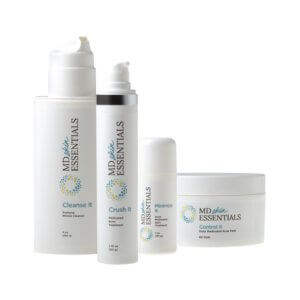
If you’re looking to improve the back-to-school skincare routine for your student athlete, the MD Skin Essentials Acne Kit is an easy, all-in-one solution. Available on our sister site DermSkincare, this acne skincare bundle is a simple four-step routine to prevent and treat acne breakouts. Here’s what’s inside:
- MD Skin Essentials Cleanse It – gently removes dirt, sweat, and oil without drying skin.
- MD Skin Essentials Control It – perfect for post-practice skin wipe-downs.
- MD Skin Essentials Minimize It – a benzoyl peroxide acne spot treatment to stop pimples in their tracks.
- MD Skin Essentials Crush It – a serum that promotes blemish healing and prevents the formation of new acne.
Shop the MD Skin Essentials Acne Kit Now
When to See a Dermatologist
When it comes to dermatologist treatment for sports acne, Dr. Karim says, “Acne mechanica can be extremely stubborn and difficult to treat. Breakouts worsen as student athletes continue to engage in sports. When acne breakouts don’t clear up with at-home care, it may be time to seek dermatologist support.” Some of the top indicators that it’s time to schedule a dermatology visit include:
- Acne breakouts that don’t improve within two months of beginning a treatment plan.
- Painful cystic acne or deep blemishes.
- Scarring or dark marks developing.
- Need for a personalized treatment plan to heal breakouts.
Conclusion: Keep Your Skin in the Game
Finally, Dr. Karim says, “If I could tell teen athletes one thing it would be to take steps to prevent acne mechanica by caring for skin and addressing any areas of concern right away. It’s harder to treat this form of acne than it is to prevent it. If you’re ever in doubt, talk to your dermatologist about the right skincare products and potential treatments.”
Schedule a Dermatology Visit
If you need help to manage acne mechanica or other skin health concerns, reach out to the U.S. Dermatology Partners to request an appointment. We make it simple. Just take a few moments to request a visit, using our online form. Our local dermatology team members look forward to seeing you.
Find a location near me
or