If you have thin eyebrows and you want a long-lasting option to create a full, natural-looking brow line, microblading is an excellent option. This procedure is safe, effective, and can last up to three years with proper care. Keep reading to learn more or contact a U.S. Dermatology Partners location near your home or office to get started scheduling your first visit with one of our dermatology providers to discuss your cosmetic dermatology options, including microblading.
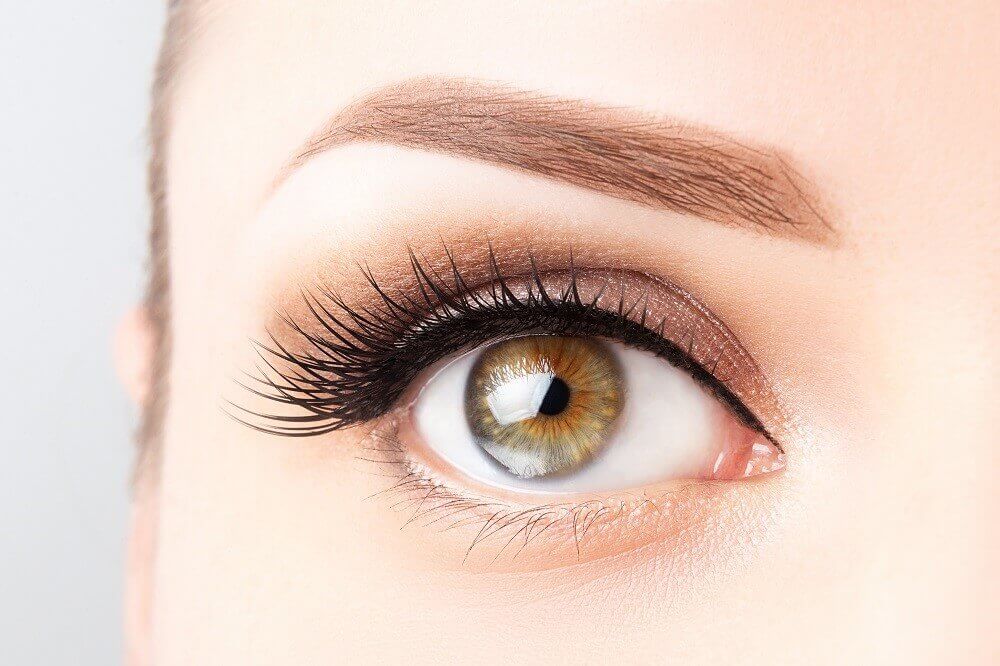
Microblading is a procedure that uses a bundle of ultra-fine needles to make small incisions in the skin and place pigment into the outer layers to create the ideal eyebrow shape for the person’s facial structure, skin tone, and general cosmetic goals. The ultra-fine needles make natural-looking eyebrow hairs that are custom shaded to blend seamlessly with the existing brow line. The effect is similar to tattooing, but the pigmentation is deposited into the upper layers of skin rather than the deep layers of skin as with tattoos. The results of microblading are long-lasting. However, over time, the semi-permanent pigmentation application will begin to fade, and regular reapplication is recommended to maintain the desired results.
 A skilled provider can use microblading to create flawless brow lines that look natural for people of all skin tones and hair colors. It’s a great solution for people who have naturally thinner eyebrows and those who have lost all or part of their brow hair. Because the pigments are derived from natural materials, allergic reactions are rare, but individuals who have sensitive skin or frequently have allergic skin reactions may not be ideal candidates.
Other conditions may mean patients are not ideal candidates for microblading, so during a consultation visit, your dermatology provider will review your skin health and general medical history to ensure you’re a good candidate for microblading.
Be sure to let your dermatology provider know if any of the following applies to you:
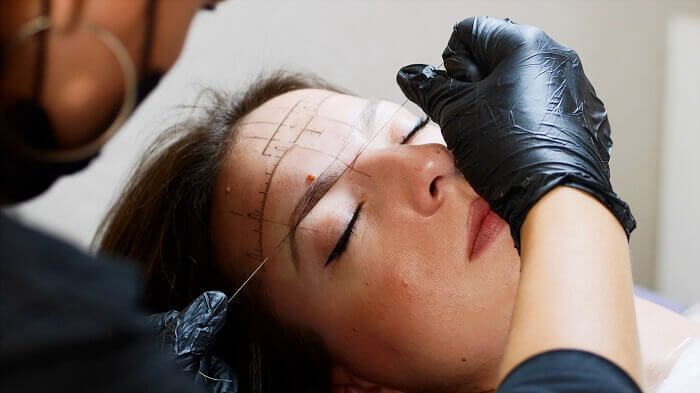 Like all dermatology treatments, you’ll get started with a consultation appointment. During the consultation, you’ll discuss all of your treatment options, including microblading. If you determine microblading is the right cosmetic dermatology solution, you’ll review the various options related to this procedure, including the shape of the brow and custom pigment color.
Before your treatment visit, the dermatology provider will give you instructions to prepare for your procedure. Some basics include avoiding exercise on the day of your microblading treatment, avoiding alcohol for 48 hours, avoiding ibuprofen for 24 hours, and not drinking coffee within two hours of your microblading procedure.
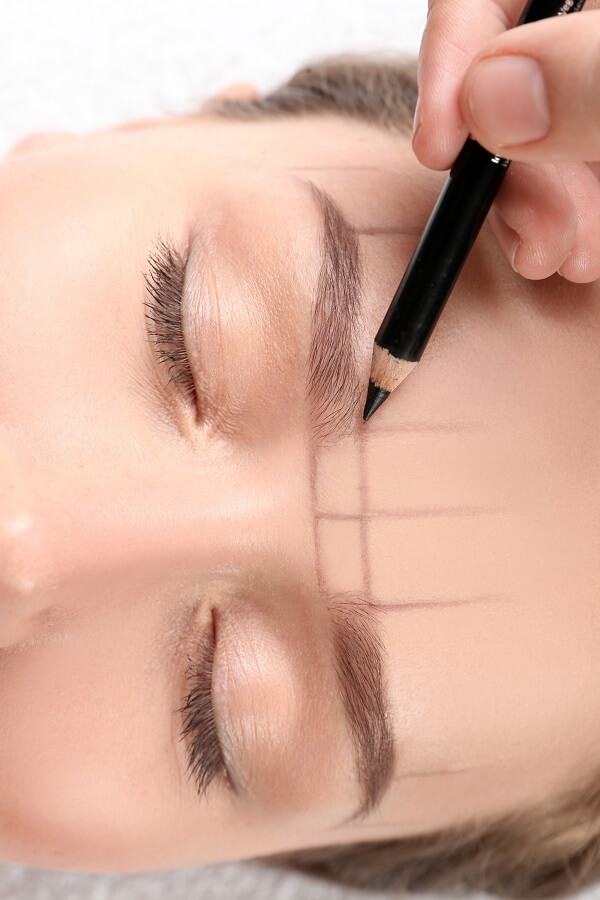
On the day of your microblading treatment visit, the practitioner will shape your existing brows. Then, they’ll apply the numbing agent to ensure your comfort. Once the numbing agent sets in, they will begin the microblading process. The procedure involves making a superficial cut in the skin and allowing the pigment to settle in. If necessary, additional numbing medication and another layer of pigment will be applied. Finally, the brows will be cleaned up and treated with ointment before you leave the office. The whole procedure is typically completed in under an hour.
After your initial microblading session, your brows may be slightly darker for the first week or two before you see the final color, so if they’re not quite the shade you were looking for, that’s okay. You will need to come back in about two months for a follow-up session to fill in any gaps and touch up your brows to ensure you achieve the ideal results.
There are some mild side effects, including swelling, irritation, and scabbing. For the first day after treatment, you’ll apply antibacterial ointment to the eyebrows to minimize the risk for infection. You should stop using any acids, retinols, or exfoliants on your eyebrows as they heal. Just use a gentle, antibacterial cleanser in the morning and evening to clean the eyebrow. You’ll need to avoid applying any makeup and cosmetics as your eyebrows heal. For at least a week after your microblading treatment, you’ll need to keep the brows dry and free from sweat. You can apply a protective, petroleum-based ointment like Vaseline to keep the eyebrows dry. You’ll also need to minimize sun exposure for at least a week.
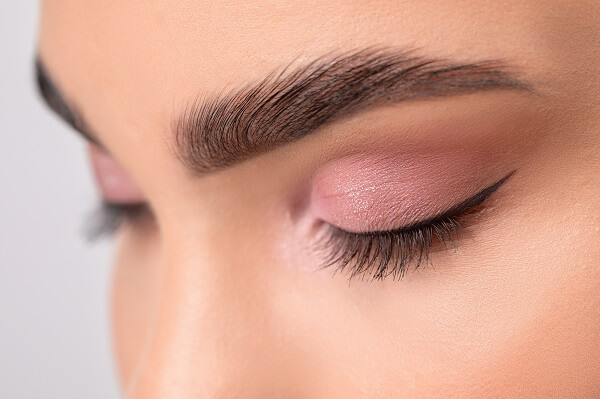 The results of microblading vary, but it’s a long-term treatment option that can last anywhere from a year to three years before you need retreatment. Skin type does play a role in the length of time that the microblading results will last. People with oily skin tend to maintain results for a shorter amount of time. Each person is different, but most dermatology providers will recommend microblading retreatment visits every 12 to 18 months.
You can take the following steps to extend the results of microblading:
*Results may vary by individual




Get the latest updates on news, specials and skin care information.