
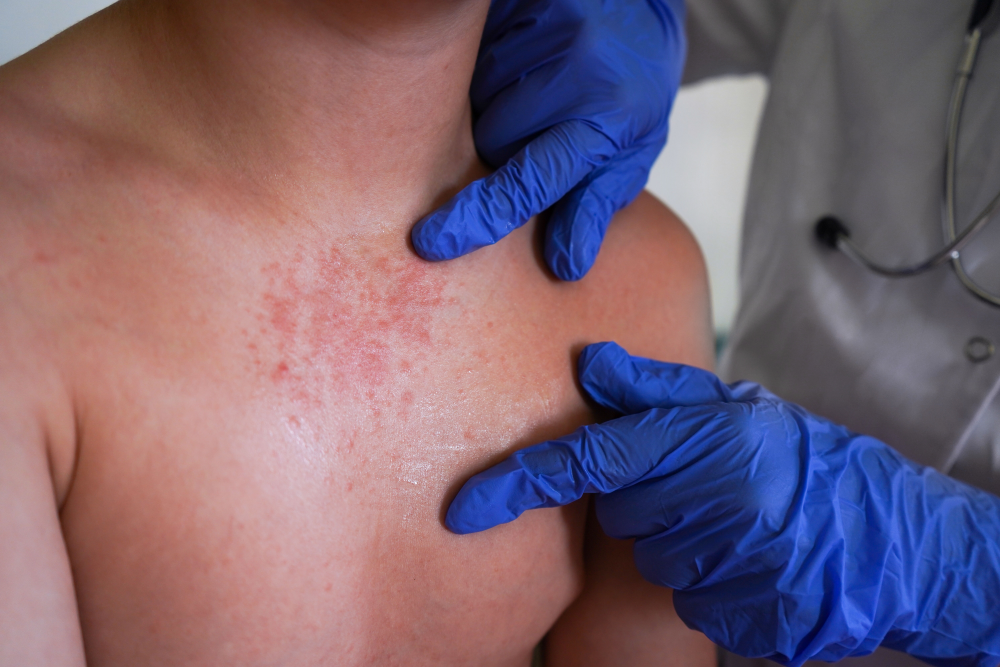
Impetigo is a contagious, bacterial skin infection that most often affects kids. However, it can also impact adults, especially those who have a compromised skin barrier. According to Dr. Edgar Martinez of U.S. Dermatology Partners Plano, “Getting an impetigo diagnosis might sound scary, but the good news is this infection can typically be treated relatively quickly. Strengthening the skin’s barrier is key to preventing skin infections, and it can make healing skin following an infection easier.” In this blog, Dr. Martinez dives in with answers to common questions like what is impetigo, how is it diagnosed, and what treatments are available?
What Is Impetigo?
Impetigo is a common bacterial skin infection. Typically, it’s caused by staphylococcus aureus or streptococcus pyogenes bacteria that enters skin through small injuries or gaps in skin’s protective barrier. The resultant infection causes red sores that often form around the mouth and nose, but they can develop on all parts of the body. Eventually, these infected sores rupture and a golden-colored crust forms over skin. This is one of the most common traits of impetigo. There are two types of impetigo: bullous and non-bullous. Non-bullous impetigo is much more common, and it results in the characteristics described above. Bullous impetigo is less common. It causes large, fluid-filled blisters to form on skin in the infected area.
While impetigo is most typical among children, adults can also develop impetigo, especially during the heat of summer or if they have a compromised skin barrier. Dr. Martinez says, “Dermatologists treat impetigo frequently, especially during the summer. Insect bites, scratches and injuries from playing outdoors, and sweat all contribute to the increased number of cases. Maintaining a healthy skin barrier is one of the best ways of preventing this common skin infection during the summer and every other season.”
The Role of the Skin Barrier in Preventing Infections
According to Dr. Martinez, “Skin is our body’s largest organ. The heart pumps blood through the body. The liver removes toxins. Each organ has an important function, and that includes skin. The skin is our initial line of defense against any environmental aggressors from the sun’s UV rays to allergens and irritants. When the protective outer barrier is damaged or cracked, people are more susceptible to infection and other skin health concerns. A healthy skin barrier keeps moisture in and bacteria and other irritants out.” Impetigo often develops when skin is already damaged. While anyone can develop a skin infection, risk for developing this condition increases for those with the following skin health concerns:
- Eczema – dry, itchy, inflamed skin may become the norm for people with eczema. For those with eczema, impetigo risk increases as the damaged skin barrier allows bacteria to enter.
- Psoriasis – immune-mediated inflammatory disease that causes thickened patches of skin. These lesions may crack and bleed, leaving patients vulnerable to impetigo and other skin infections.
- Injuries – insect bites, rashes and hives, scratches, cuts, burns, and other minor injuries all increase risk for skin infection.
- Dry skin – when skin isn’t hydrated, it is more likely to crack and allow bacteria to grow beneath skin’s surface.
Who’s Most at Risk? Skin Conditions That Weaken the Barrier
Impetigo can impact anyone, but it’s most common in:
- Children between the ages of two and five.
- Those with chronic skin conditions, including eczema and psoriasis.
- People in close quarters like daycares, schools, hospitals, or college dorms.
- Athletes who are in close contact, experience increased sweating, and share equipment.
Impetigo vs. Psoriasis: What’s the Difference?
While impetigo is relatively easy to treat, one of the main challenges to receiving effective treatment is getting diagnosed in the earliest stages. Dr. Martinez says, “Diagnosis can be difficult when impetigo is mixed up with other conditions. Specifically, impetigo is often misdiagnosed as psoriasis due to the similar appearance of thick, scaly skin patches in both psoriasis and impetigo. Additionally, for those with psoriasis, infection risk increases, so patients may have both conditions.”
Key Differences
Feature |
Impetigo |
Psoriasis |
Cause |
Bacterial infection (Staph or Strep) |
immune-mediated inflammatory disease |
Contagious? |
Yes |
No |
Appearance |
Red sores, honey-colored crusts |
Scaly, inflamed patches of skin |
Onset |
Sudden |
Chronic, develops over time |
Treatment |
Antibiotics (topical or oral) |
Topical creams, phototherapy, biologics, etc. |
Risk Factor |
Skin trauma, poor hygiene, compromised skin barrier |
Genetic, immune dysfunction |
How to Treat and Prevent Impetigo—Especially with a Compromised Skin Barrier
Below, Dr. Martinez outlines prevention options as well as impetigo skin treatments.
Simple Preventive Steps
- Practice good hygiene – keep skin clean, especially washing hands and fingernails that can spread bacteria to other parts of the body. Avoid scratching at dry skin. Clean and cover wounds as they heal.
- Avoid scratching – if scabs or rashes appear, avoid scratching even if they itch, and fight the urge to peel away scabs. Use anti-itch creams or cold compresses for itching. When scabs form, wash and moisturize them daily until they are able to fall away without peeling.
- Moisturize – use a gentle moisturizer free from fragrances and other harsh ingredients at least twice a day, especially in areas with dry skin or compromised skin barrier.
- Don’t share – while our parents and teachers might have told us sharing is caring, sharing personal items like towels, athletic equipment, or clothing can expose skin to bacteria and increase risk for infection.
- Practice consistent skincare – a consistent daily skincare routine is important for everyone, but for those with chronic skin conditions like eczema and psoriasis, it’s even more essential. Practicing consistent skincare and addressing symptoms as soon as they arise decreases risk for infection.
Impetigo Skin Treatment
- Topical antibiotics – mupirocin or retapamulin are often prescribed in an ointment formula that can be applied directly to infected skin.
- Oral antibiotics – may be prescribed on their own or in conjunction with topical antibiotics to address widespread infection and for those with the more severe bullous impetigo.
- Increased hygiene – as the infection is treated with antibiotics, it’s essential to keep the affected area clean and dry and remove the crusts that form using warm water.
Conclusion: Protecting Your Skin Means Protecting Your Health
While impetigo is a common skin infection, it’s often preventable, and treatment is simple and effective when diagnosed in early stages. Dr. Martinez says, “Maintaining a healthy skin barrier is crucial to both the prevention and treatment of impetigo. Working with a dermatologist to develop and maintain healthy skin is important, especially if you’re dealing with chronic skin conditions that may increase your risk for infection.”
Find a location near me
or